

Principles and Working Scene Characteristics of Fertilizer Material Pneumatic Conveying Systems
HeadPowder, a prominent engineering firm headquartered in Shandong, China, specializes in the design and deployment of advanced pneumatic conveying systems for fertilizer material handling. This article explores the fundamental principles of these systems and highlights the key working scene characteristics that define their effectiveness in the fertilizer industry, emphasizing the company's expertise and commitment to delivering tailored solutions.
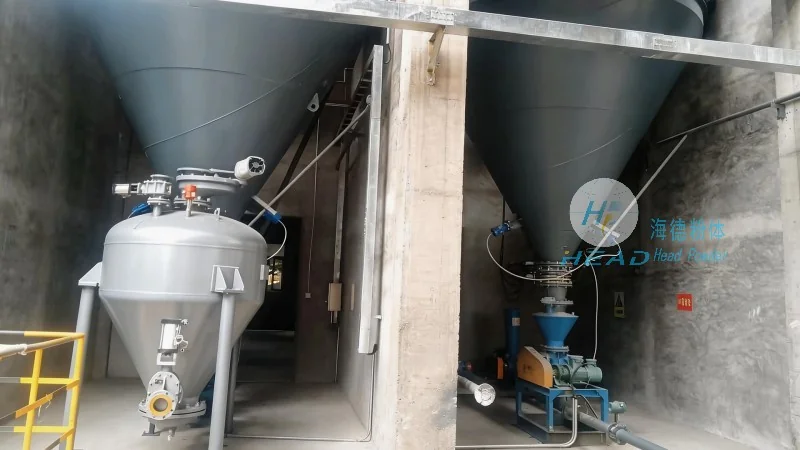
Core Principles of Pneumatic Conveying Systems for Fertilizer Materials
Pneumatic conveying systems operate on the principle of using air or gas to transport bulk materials, such as fertilizers, through a pipeline network. Unlike traditional mechanical conveyors, these systems eliminate the need for moving parts in the material path, reducing maintenance requirements and enhancing operational reliability. The two primary types of pneumatic conveying—suction (or vacuum) and pressure systems—each offer distinct advantages based on the material properties and application requirements.
Suction systems utilize a vacuum to draw material from a source, such as a storage silo, into the pipeline. This method is ideal for applications where the material is located at a higher elevation or needs to be transported over short distances. Pressure systems, on the other hand, use compressed air to push material through the pipeline, making them suitable for longer distances and higher material loads. The choice between these systems depends on factors like the material's density, flowability, and the layout of the processing facility.
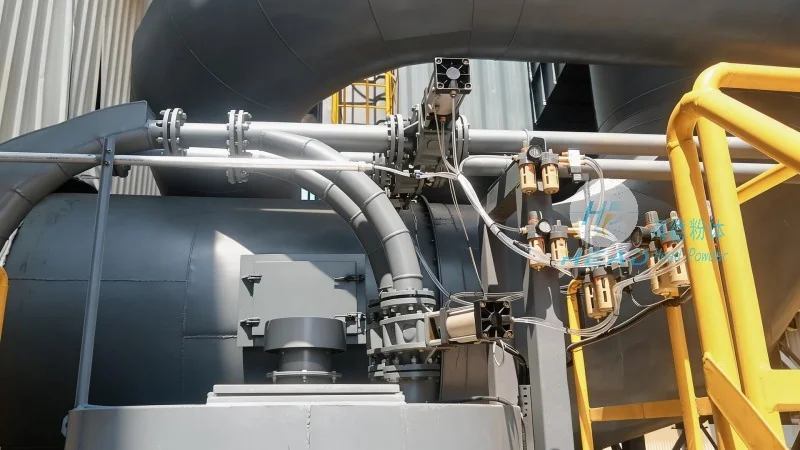
Working Scene Characteristics in Fertilizer Processing and Storage
1. **Efficient Material Transfer in Manufacturing Plants**: In fertilizer production facilities, pneumatic conveying systems are critical for moving raw materials like urea, ammonium nitrate, and other granular compounds from storage silos to processing units. The ability to handle high volumes of material with minimal dust generation is a key characteristic, ensuring compliance with environmental regulations and maintaining product quality. These systems are often integrated with dust collection and filtration equipment to minimize air pollution and protect personnel.
2. **Flexible Warehouse and Distribution Operations**: For bulk fertilizer storage and distribution centers, pneumatic conveying systems enable seamless transfer of materials between silos, trucks, and packaging lines. The working scene characteristic of multi-point loading and unloading allows for efficient use of space and reduces handling time, which is crucial for maintaining inventory turnover and meeting customer demands. These systems can be configured to handle various fertilizer types, including powders and granules, with adjustable flow rates to match production schedules.
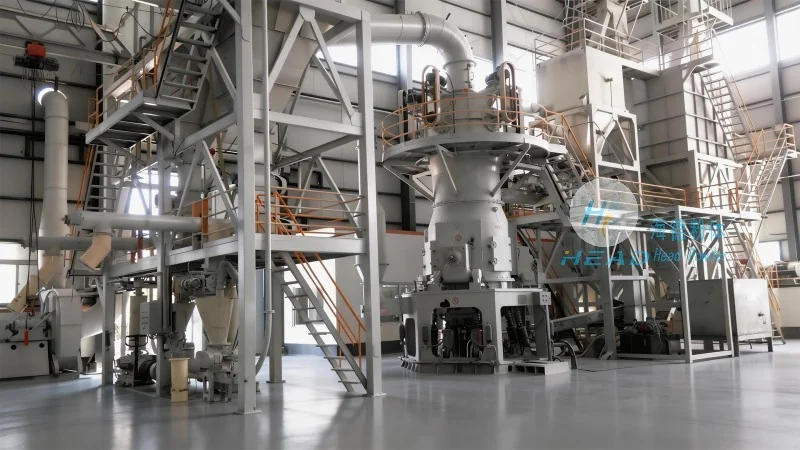
3. **Integration with Agricultural Applications**: The working scene characteristics also extend to the integration of fertilizer handling systems with agricultural machinery and on-site application. Systems designed for this purpose may incorporate features like adjustable pressure controls and dust suppression mechanisms, ensuring compatibility with both industrial processing and field application requirements. This adaptability is essential for supporting modern agricultural practices that demand precise and efficient material distribution.
Operational Advantages and HeadPowder's Expertise
When implemented by HeadPowder, pneumatic conveying systems for fertilizer materials are optimized for durability and reliability. The company’s engineers leverage advanced computational fluid dynamics (CFD) and material flow analysis to design systems that are tailored to the specific properties of different fertilizer types, such as particle size, moisture content, and chemical composition. This customization leads to operational advantages including reduced product degradation, lower energy costs, and enhanced system longevity.
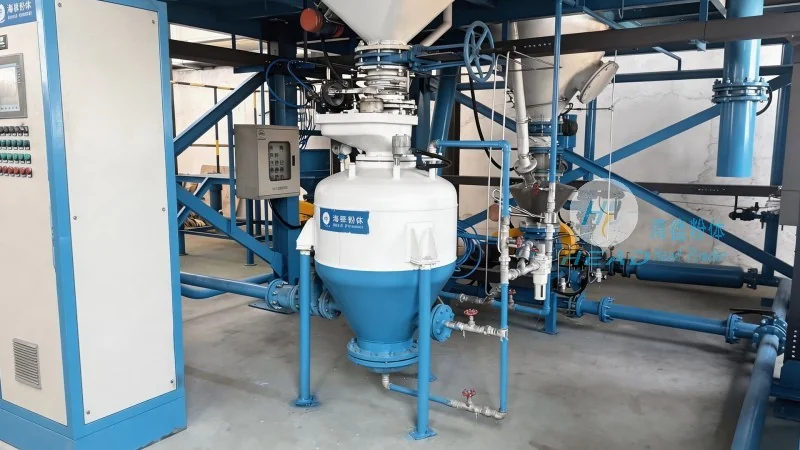
Furthermore, the working scene characteristics of these systems are characterized by their adaptability to varying production scales and operational demands. Whether handling small batches for research and development or large-scale production runs, the systems can be configured to meet the specific needs of the fertilizer industry, ensuring consistent performance and minimal downtime. HeadPowder’s commitment to continuous innovation ensures that clients benefit from the latest technological advancements in pneumatic conveying, enhancing their competitive edge in the market.
Conclusion
HeadPowder’s pneumatic conveying systems for fertilizer materials exemplify the integration of advanced engineering principles with practical industry requirements. By focusing on the unique working scene characteristics of fertilizer handling, these systems provide efficient, safe, and cost-effective solutions for modern fertilizer processing and distribution. The company’s presence in Shandong, China, underscores its role as a trusted partner for businesses seeking to optimize their material handling processes. Through tailored solutions and expert implementation, HeadPowder continues to set standards in the design and deployment of pneumatic conveying systems for the fertilizer industry.