

Principle and Working Scene Characteristics of Slag Material Pneumatic Conveying Systems
Slag, a byproduct of industrial processes such as steelmaking and cement production, requires efficient and reliable handling solutions to ensure smooth material flow and operational efficiency. Pneumatic conveying systems offer a versatile and effective method for transporting slag materials, leveraging air pressure to move bulk materials through pipelines. This article explores the fundamental principles of slag material pneumatic conveying systems and highlights key working scene characteristics that define their application in industrial settings.
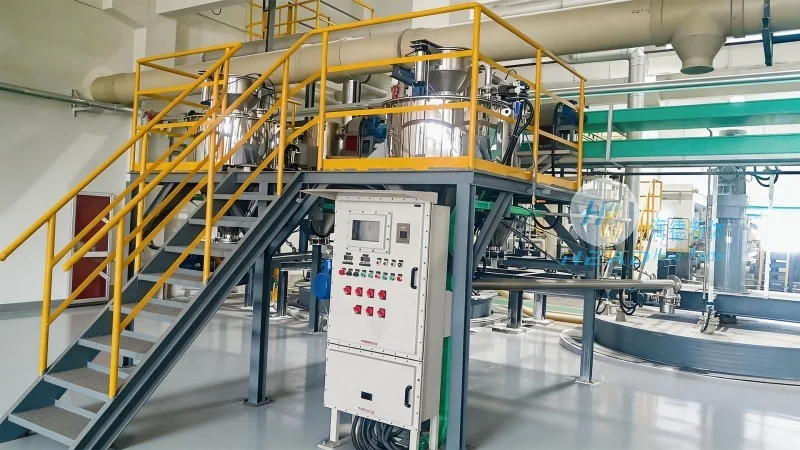
HeadPowder: Expert in Slag Material Handling Solutions
Shandong HeadPowder Engineering Co., Ltd. (headpowder) is a leading provider of advanced material handling technologies, specializing in the design, manufacturing, and implementation of pneumatic conveying systems tailored for slag and other bulk materials. With a strong commitment to innovation and customer-centric solutions, HeadPowder has established itself as a trusted partner in the industrial sector, delivering high-performance systems that meet the unique demands of slag material transportation.
Core Principles of Pneumatic Conveying for Slag Materials
The fundamental principle of pneumatic conveying involves using compressed air to generate a flow that propels slag particles through a pipeline. This method can be categorized into two main types: pressure and vacuum systems. Pressure systems utilize positive pressure to push material from a source to a destination, while vacuum systems use negative pressure to draw material from a source into a pipeline. For slag materials, which often have high density and abrasive properties, the choice of system type and design parameters is critical to ensure efficient and reliable operation.
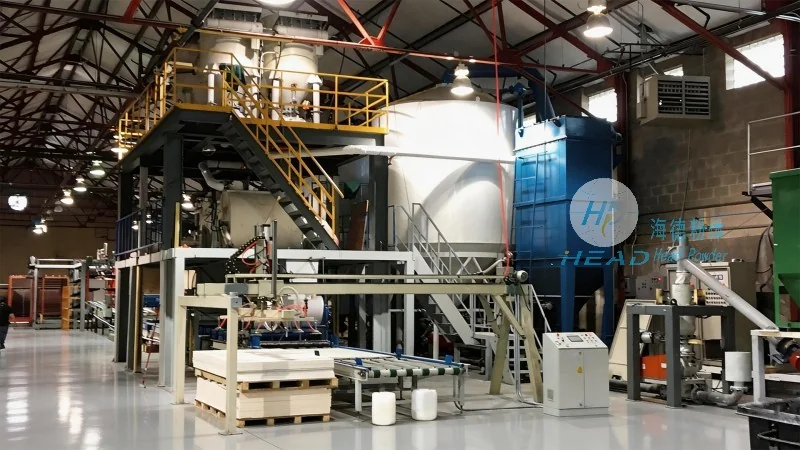
Key principles include maintaining optimal air velocity to prevent material settling or blockage, controlling pressure differentials to manage flow rates, and ensuring proper pipeline sizing and layout to minimize energy consumption and system wear. The design of the conveying system must also account for the physical properties of slag, such as particle size distribution, moisture content, and abrasiveness, to optimize performance and extend equipment lifespan.
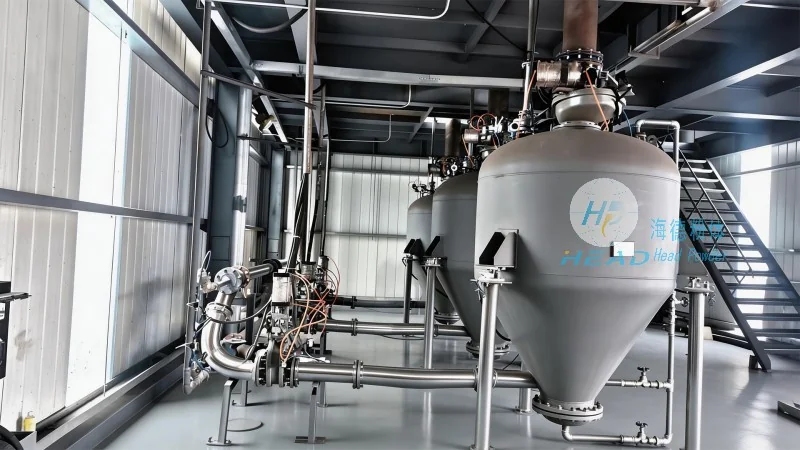
Working Scene Characteristics of Slag Material Pneumatic Conveying
The application of pneumatic conveying systems for slag materials is characterized by several distinct working scene features that influence system design and operation. These characteristics include:
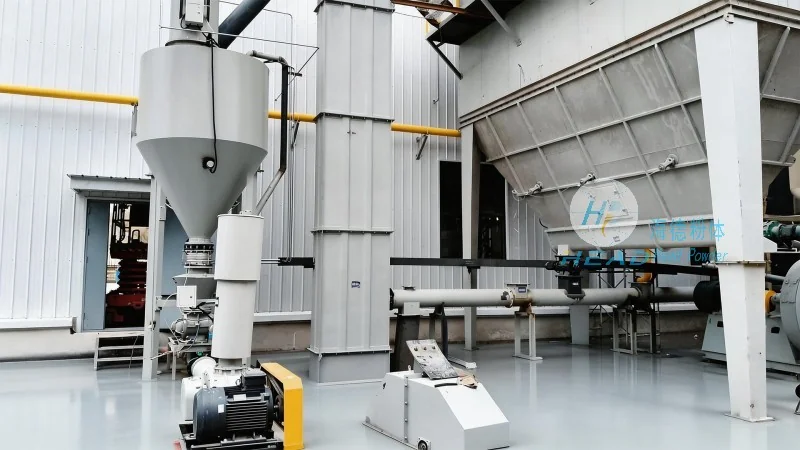
- High Material Density and Abrasiveness: Slag materials typically have high density and are abrasive, requiring robust pipeline materials and components to withstand wear and tear over time. This necessitates the use of high-quality materials such as stainless steel or special alloys to ensure long-term system reliability.
- Variable Particle Size Distribution: Slag particles can vary significantly in size, from fine powders to larger chunks. The conveying system must be designed to handle this variability, often incorporating features like pre-screening or conditioning to ensure consistent flow and prevent blockages.
- Moisture Content and Agglomeration: Depending on the source and processing conditions, slag may contain moisture that can lead to agglomeration or caking. Effective moisture control and material conditioning are essential to maintain smooth material flow and prevent system downtime.
- Environmental and Safety Considerations: Pneumatic conveying systems for slag must comply with environmental regulations and safety standards to minimize dust emissions and ensure operator safety. This includes the use of dust collection systems and proper ventilation to maintain a safe working environment.
System Components and Design Considerations
A typical slag material pneumatic conveying system consists of several key components, each playing a critical role in the overall operation. These components include:
- Feeder: The feeder is responsible for introducing slag material into the conveying system, ensuring a consistent and controlled flow rate. For abrasive slag materials, high-quality feeders with wear-resistant parts are essential to prevent damage and maintain efficiency.
- Pipeline System: The pipeline is the main conduit for transporting slag particles, and its design must consider factors such as material compatibility, pressure ratings, and layout to minimize energy loss and system complexity. Proper pipeline sizing and support are crucial to prevent sagging or excessive stress on the system.
- Conveying Unit (Pressure or Vacuum Pump): The conveying unit generates the necessary air pressure or vacuum to move the material through the pipeline. The choice between pressure and vacuum systems depends on the specific application requirements, such as the distance and elevation changes involved.
- Dust Collection and Filtration: To control dust emissions and maintain a clean working environment, the system includes dust collection and filtration components. These systems capture and remove airborne particles, ensuring compliance with environmental regulations and operator safety.
- Control System: The control system monitors and regulates the operation of the conveying system, ensuring optimal performance and preventing issues such as overpressure or blockages. Advanced control systems can also provide real-time data and diagnostics to facilitate maintenance and troubleshooting.
Benefits of Using Pneumatic Conveying for Slag Materials
Implementing a pneumatic conveying system for slag materials offers several significant benefits that enhance operational efficiency and reduce costs. These benefits include: