

Principles and Working Scene Characteristics of Powder Material Pneumatic Conveying Systems
HeadPowder, a leading provider in the field, specializes in the design and implementation of efficient pneumatic conveying systems for handling various powder materials. These systems are crucial in industries where the safe and reliable transport of powders is essential. The core principle of pneumatic conveying involves using compressed air or other gases to move bulk materials through a pipeline network, eliminating the need for mechanical components like belts or buckets that are common in traditional conveying methods.
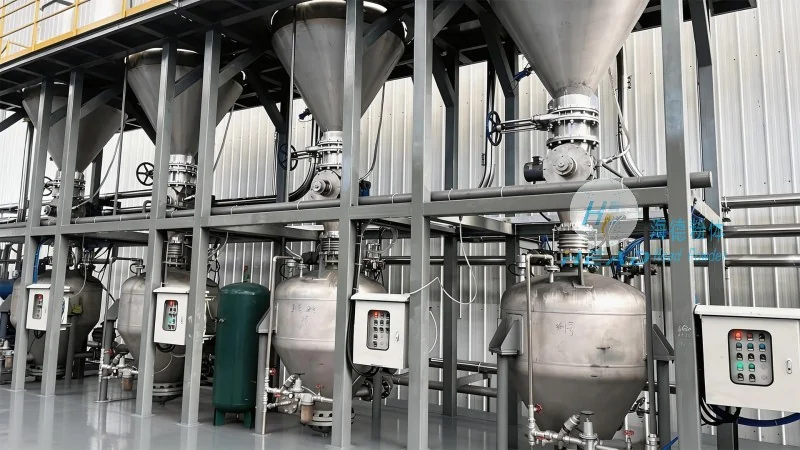
The Fundamental Principles of Pneumatic Conveying
At the heart of pneumatic conveying systems lies the use of air as the medium to transport powder. The process typically operates under pressure, where air is introduced into a hopper or storage vessel, creating a flow that lifts and propels the powder particles through the system. There are two primary types of pneumatic conveying: pressure and vacuum systems. Pressure systems use positive pressure to push the material forward, while vacuum systems use negative pressure to pull it. Each type has its advantages depending on the application, material characteristics, and system layout. For instance, pressure systems are often preferred for long-distance or high-volume transport due to their ability to maintain consistent flow rates and handle abrasive or corrosive materials effectively.
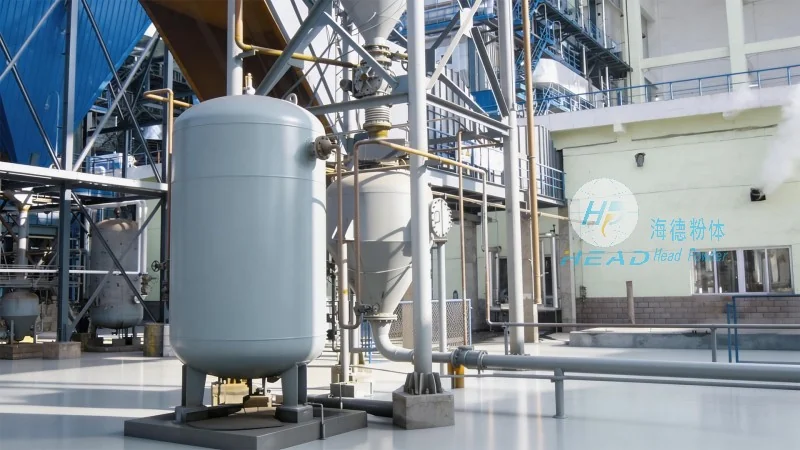
Key Working Scene Characteristics
The effectiveness of a pneumatic conveying system is heavily influenced by the working environment and the specific characteristics of the powder being handled. Several key factors define the operational scenarios where these systems excel. First, the particle size and density of the material play a critical role. Fine powders with low bulk density may require higher air velocities to ensure proper suspension and prevent blockages. Conversely, larger or more cohesive particles might need higher pressure or specialized equipment like rotary valves to maintain flow. Second, the system's layout and the distance over which the material is transported are significant considerations. Horizontal or inclined pipelines are common, with the design often optimized to minimize pressure drops and energy consumption. For example, in industrial settings such as chemical plants, food processing facilities, or pharmaceutical manufacturing, the need for hygienic and dust-free operation is paramount, making pneumatic conveying an ideal choice due to its enclosed system design.
Applications and Industry Integration
HeadPowder's pneumatic conveying solutions are tailored to meet the diverse needs of various industries. In the chemical sector, these systems are used to transport raw materials like powders and granules, ensuring a seamless integration into production lines. The food industry benefits from the hygienic nature of pneumatic conveying, which prevents contamination and maintains product quality. Similarly, in the pharmaceutical industry, where precision and cleanliness are non-negotiable, these systems help in the safe handling of active ingredients and excipients. The versatility of pneumatic conveying also extends to other sectors, including mining, where bulk materials like ores or coal are transported over long distances. Each application requires a customized approach, considering factors such as material compatibility, system scalability, and operational efficiency.
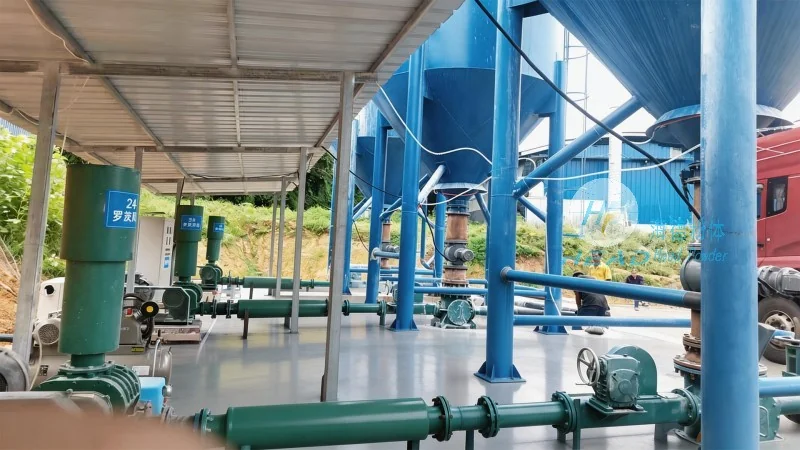
Advantages and Considerations
Compared to traditional mechanical conveying methods, pneumatic systems offer several advantages. They are generally more flexible, allowing for changes in the system layout without major structural modifications. The enclosed design also reduces dust emissions, improving workplace safety and environmental compliance. However, there are considerations to keep in mind. For instance, the energy consumption of pneumatic systems can be higher, especially for long-distance transport, and maintenance requirements may vary depending on the system design. HeadPowder addresses these challenges by providing robust, energy-efficient solutions that are backed by extensive experience in the field.