

Abrasives Powder Conveying System Equipment: Principles and Application Scenario Features
HeadPowder, a leading manufacturer based in Shandong, China, specializes in the design and production of advanced abrasive powder conveying systems. These systems are engineered to efficiently handle and transport abrasive powders, such as corundum, in various industrial applications. The equipment is tailored to meet the specific demands of different industries, ensuring reliable and consistent performance in powder handling operations.
Principles of Abrasive Powder Conveying Systems
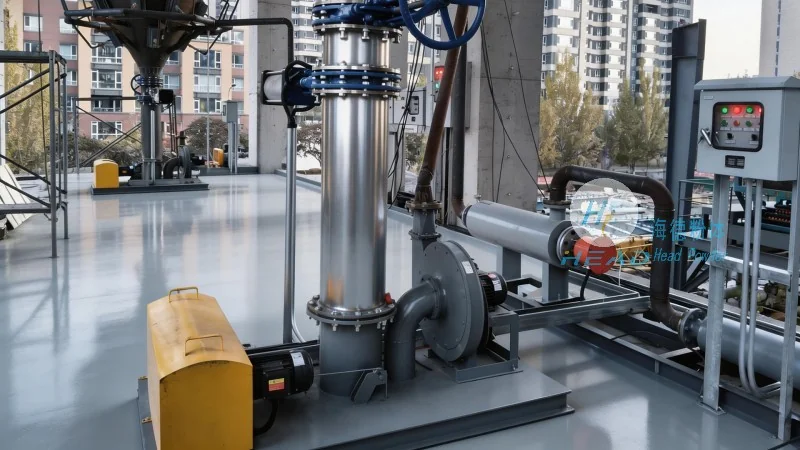
The core principle of abrasive powder conveying systems lies in the efficient movement of fine powders from a source to a destination, often under controlled conditions. The systems typically incorporate components like hoppers, feeders, and conveying mechanisms that work in tandem to maintain the integrity of the powder and prevent issues like caking or segregation. Key technologies include pneumatic conveying, mechanical screw conveyors, and vacuum systems, each offering distinct advantages depending on the material properties and application requirements. For instance, pneumatic conveying uses air to transport powders, which is ideal for handling fine, dusty materials like corundum, while mechanical systems provide a more robust solution for bulkier or more abrasive powders.
Key Features and Working Scenarios
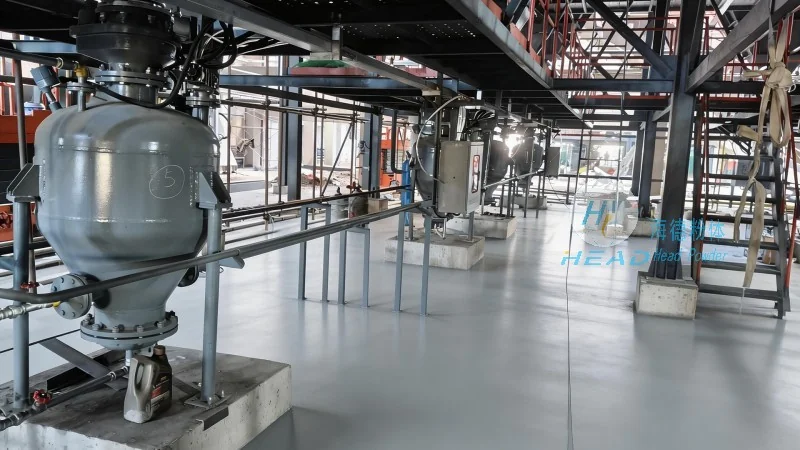
The working scenarios of abrasive powder conveying systems are diverse and tailored to specific industrial needs. In the manufacturing of abrasive tools, these systems are crucial for transporting raw corundum powders to mixing and grinding stations. The equipment ensures that the powders are delivered in a uniform manner, which is essential for maintaining product consistency. In foundries and metalworking facilities, the systems help in transporting abrasive media for surface finishing processes, such as grinding and polishing. The ability to handle high volumes of powder while maintaining low maintenance costs makes these systems highly valuable in these applications. Additionally, in research and development labs, the systems are used for precise powder handling, enabling accurate material testing and formulation. The adaptability of the conveying systems to different powder types and processing environments highlights their versatility and importance in modern industrial operations.
Application Scenarios in Industrial Settings
Industrial applications of abrasive powder conveying systems span across multiple sectors. In the automotive industry, these systems are used to transport abrasive powders for the finishing of metal components, ensuring smooth and defect-free surfaces. The systems are also employed in the production of ceramic and glass products, where fine powders are required for shaping and sintering processes. The consistent delivery of powders is critical in these processes to achieve uniform product quality. In the aerospace industry, the systems help in handling specialized abrasive materials used in the manufacturing of high-performance components, where precision and reliability are paramount. The ability of the conveying systems to operate under varying environmental conditions, such as temperature and humidity, further enhances their suitability for diverse industrial applications.

Advantages of Using Abrasive Powder Conveying Systems
Implementing abrasive powder conveying systems offers several advantages for industrial operations. Firstly, these systems enhance productivity by enabling continuous and efficient powder handling, reducing downtime and increasing throughput. The consistent flow of powders ensures that production lines operate smoothly, minimizing interruptions caused by material shortages or handling issues. Secondly, the systems improve product quality by maintaining the purity and uniformity of the abrasive powders. This is particularly important in applications where the quality of the final product is directly linked to the quality of the raw materials. Thirdly, the systems reduce labor costs and improve workplace safety by automating the powder handling process. Manual handling of abrasive powders can be hazardous, and the use of automated conveying systems minimizes exposure to dust and other health risks. Additionally, the systems offer cost savings through reduced material waste and lower maintenance requirements. The robust design and durability of the equipment ensure long-term performance, making them a cost-effective investment for industrial facilities.