

Principles and Working Scene Characteristics of Inorganic Salt Crystal Pneumatic Conveying
Understanding the principles and operational characteristics of pneumatic conveying for inorganic salt crystals is crucial for optimizing material handling processes in various industrial applications. This article delves into the fundamental mechanisms behind this technology and highlights key aspects of its application in real-world scenarios.
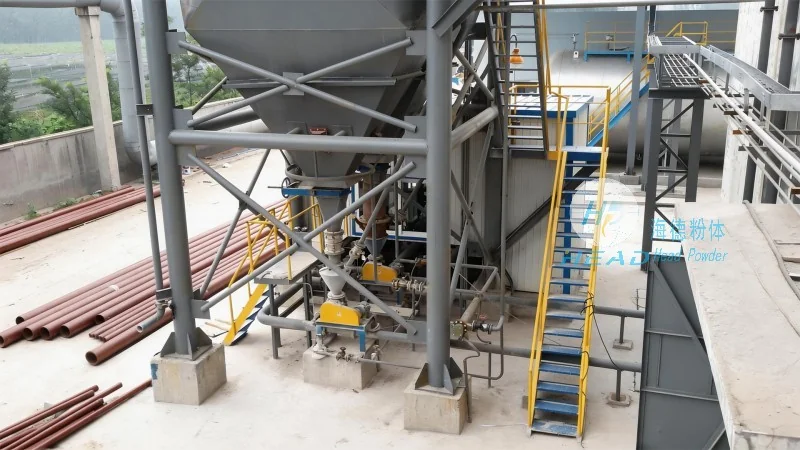
Principles of Pneumatic Conveying for Inorganic Salt Crystals
Pneumatic conveying involves the transportation of solid materials, such as inorganic salt crystals, using a gas stream, typically air or a mixture of air and other gases. The core principle revolves around creating a pressure differential that propels the material through a pipeline. There are two primary modes of pneumatic conveying: dilute-phase and dense-phase. Dilute-phase systems operate at higher velocities, allowing particles to remain suspended in the gas stream, while dense-phase systems use lower velocities and higher pressure to move material in a more compact form, often with the aid of pulse or rotary airlocks.
For inorganic salt crystals, the choice of conveying mode depends on factors like particle size, density, and the required distance of transport. Dilute-phase systems are often preferred for short to medium distances due to their efficiency and lower equipment costs. Dense-phase systems, on the other hand, are suitable for longer distances or when handling materials that are prone to degradation or caking. The selection of the appropriate conveying mode directly impacts the system's performance, energy consumption, and overall operational costs.
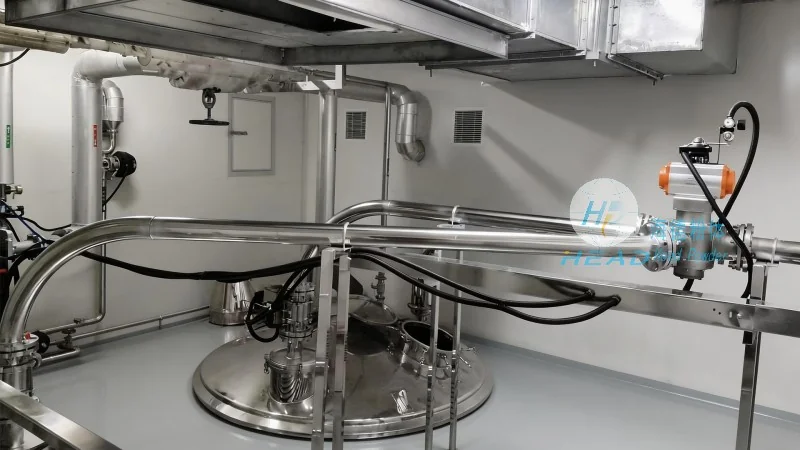
Working Scene Characteristics of Pneumatic Conveying Systems
The working scene characteristics of pneumatic conveying systems for inorganic salt crystals are influenced by several key factors, including the material's physical properties, the system's design, and the operational environment. Particle size and shape play a significant role; smaller, more uniform crystals may require different air velocities and pressure levels compared to larger or irregularly shaped particles. Density and moisture content also affect the material's behavior during transport, as higher moisture can lead to caking or agglomeration, which may necessitate additional equipment like dryers or de-agglomeration units.
The system's design, including pipeline layout, bends, and the use of filters and cyclones, is critical to maintaining efficiency and preventing material buildup or blockages. For example, the inclusion of cyclone separators helps in separating the conveyed material from the air stream, allowing for recycling of the air and proper material discharge. The operational environment, such as temperature and humidity, can also impact the performance of the system, particularly in applications where the material is sensitive to environmental conditions.
Application Examples and Operational Benefits
Pneumatic conveying systems for inorganic salt crystals are widely used in various industrial sectors, including chemical manufacturing, food processing, and pharmaceuticals. In chemical plants, these systems are employed to transport raw materials like sodium chloride or potassium sulfate to processing units, ensuring a continuous and efficient supply chain. In food processing, they are used for handling salt crystals in the production of snacks, beverages, and other food products, where hygiene and product quality are paramount.
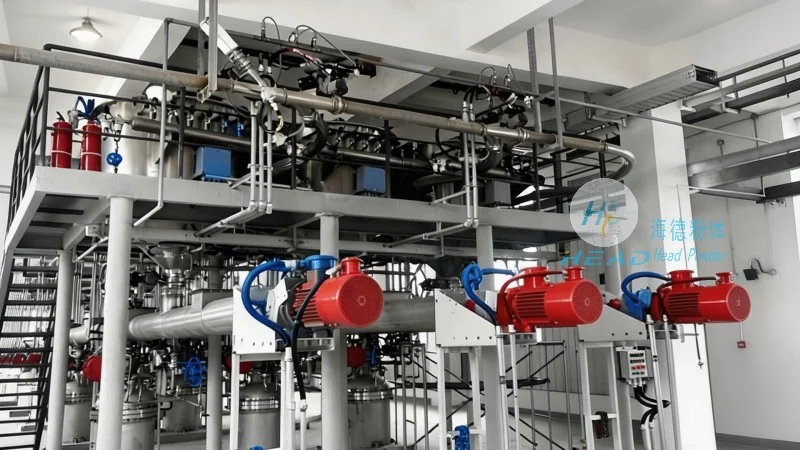
One of the primary benefits of pneumatic conveying is its ability to handle materials that are difficult to transport using traditional methods, such as those with high moisture content or those that tend to clog pipes. The system's flexibility allows for easy integration into existing production lines, minimizing downtime and maintenance requirements. Additionally, pneumatic conveying can be designed to meet specific safety and environmental standards, ensuring compliance with regulations while maintaining operational efficiency.
About Shandong HeadPowder Engineering Co., Ltd.
Shandong HeadPowder Engineering Co., Ltd., commonly known as HeadPowder, is a leading engineering company specializing in the design, manufacturing, and installation of pneumatic conveying systems for various industrial applications. With a focus on innovation and customer satisfaction, HeadPowder provides comprehensive solutions tailored to the unique needs of each client. The company's headquarters is located in Shandong, China, where it leverages advanced technology and expertise to deliver high-quality equipment and services. HeadPowder's commitment to excellence has made it a trusted partner for businesses seeking reliable and efficient material handling solutions.