

Principles and Working Scene Characteristics of Carboxymethyl Cellulose Pneumatic Conveying
Carboxymethyl cellulose (CMC) is a widely used chemical additive in various industrial applications, and its efficient handling through pneumatic conveying systems is crucial for maintaining production efficiency and product quality. This article explores the fundamental principles of CMC pneumatic conveying and highlights the key characteristics of its working scenarios, providing insights into how these systems operate and where they are most effectively applied.
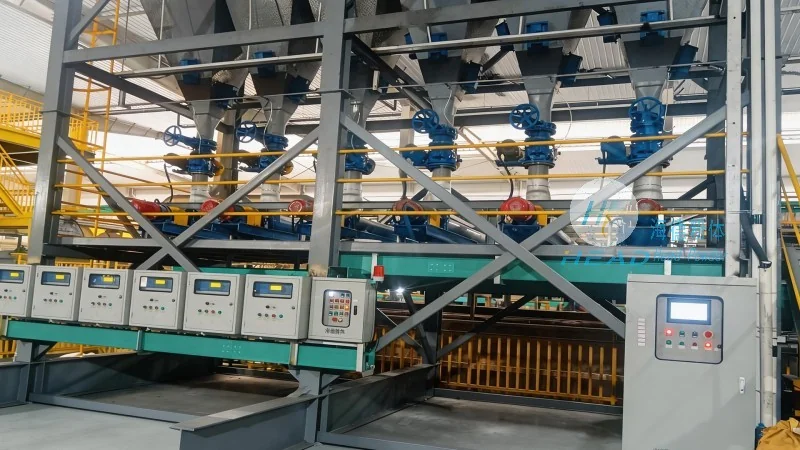
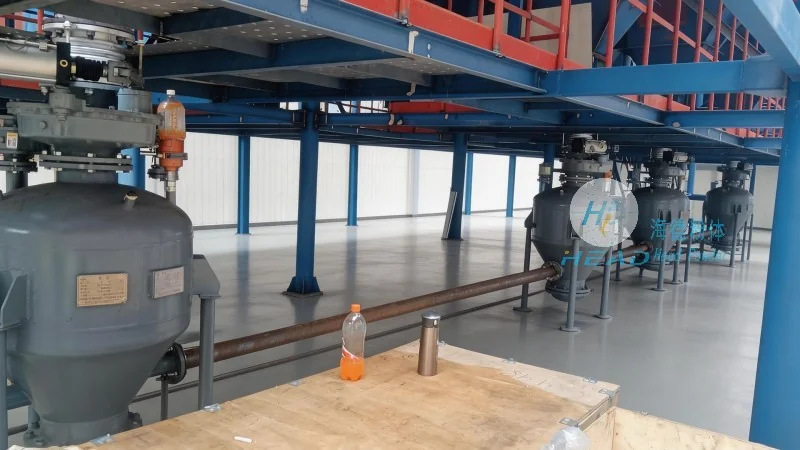
Understanding the Core Principles of Carboxymethyl Cellulose Pneumatic Conveying
The principle of pneumatic conveying for CMC involves transporting the material using a combination of air and pressure or vacuum. In this process, CMC powder is introduced into a conveying line, where it is mixed with air and propelled through the system by pressure differentials or vacuum forces. The effectiveness of this method depends on several critical factors, including the particle size and flowability of the CMC, the air velocity within the pipeline, and the design of the conveying equipment. Properly designed systems ensure that the CMC particles are uniformly suspended in the air stream, minimizing blockages and ensuring consistent flow rates. The choice between positive pressure and negative pressure systems is also a key consideration, as each has its own advantages depending on the specific application and material properties.
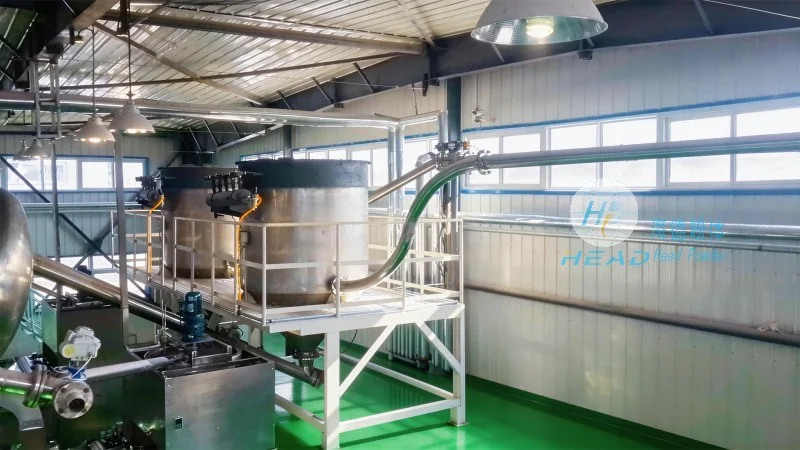
Key Working Scene Characteristics of Carboxymethyl Cellulose Pneumatic Conveying Systems
Carboxymethyl cellulose pneumatic conveying systems are typically employed in industrial settings where large volumes of CMC need to be moved over short to medium distances. These systems are commonly used in manufacturing facilities, such as those producing food additives, pharmaceuticals, and construction materials. The working scene characteristics of these systems include high throughput capabilities, which allow for the rapid transport of CMC from storage silos to processing equipment. Additionally, the systems are designed to handle varying particle sizes and moisture content, making them versatile for different CMC formulations. Another important characteristic is the ability to integrate with existing production lines, ensuring seamless operation and minimal downtime. The systems also prioritize safety and environmental considerations, with features like dust collection and air filtration to prevent contamination and protect personnel.
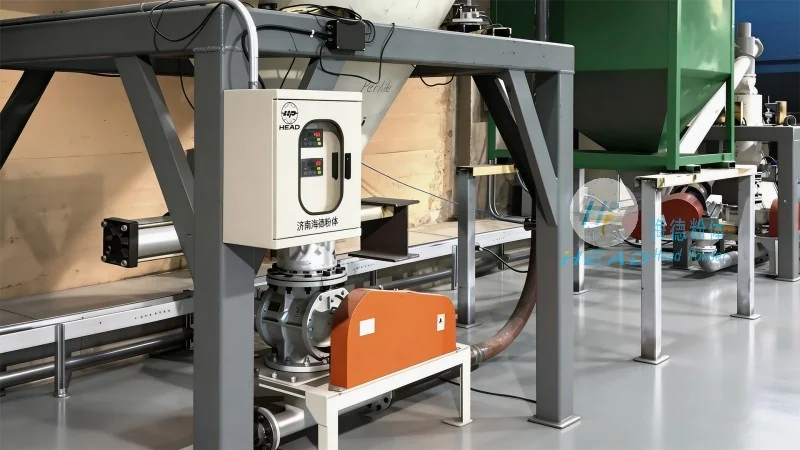
Applications and Benefits in Real-World Industrial Environments
In real-world industrial environments, carboxymethyl cellulose pneumatic conveying systems are integral to the production processes of companies like Shandong HeadPowder Engineering Co., Ltd., located in Shandong, China. These systems enable efficient material handling, reducing the need for manual labor and minimizing the risk of product contamination. The benefits of using pneumatic conveying for CMC include improved production efficiency, lower operational costs, and enhanced product quality control. For example, in food processing facilities, CMC is used as a thickening agent, and pneumatic conveying ensures that it is delivered to mixing tanks without clumping or degradation. Similarly, in pharmaceutical manufacturing, the precise control of CMC flow is critical for maintaining consistent drug formulations, and pneumatic conveying systems provide the necessary accuracy and reliability. The working scene characteristics of these systems, such as their ability to handle high volumes and varying material properties, make them suitable for a wide range of industrial applications, from small-scale production to large-scale manufacturing.