

Principle and Working Scene Characteristics of Polyethylene Powder Pneumatic Conveying
HeadPowder, a leading engineering company based in Shandong, China, specializes in the design and implementation of advanced pneumatic conveying systems for various industrial applications. This article delves into the fundamental principles of polyethylene powder pneumatic conveying and highlights the key characteristics of its operational environments.
Understanding Pneumatic Conveying Systems
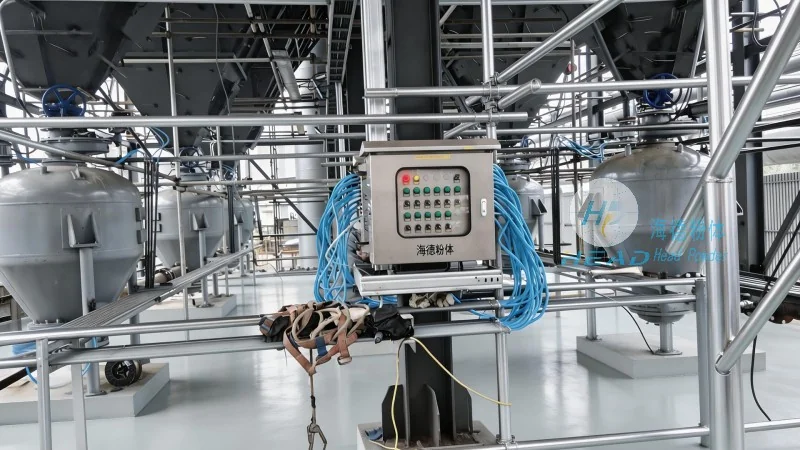
Pneumatic conveying is a method of transporting bulk materials, such as powders and granules, through a pipeline using a stream of air or gas. In the case of polyethylene powder, this technology offers a highly efficient and flexible solution for moving material from one location to another within industrial facilities. The core principle involves creating a pressure differential or using vacuum to move the powder through the pipeline, ensuring minimal product degradation and consistent flow rates.
Key Working Scene Characteristics
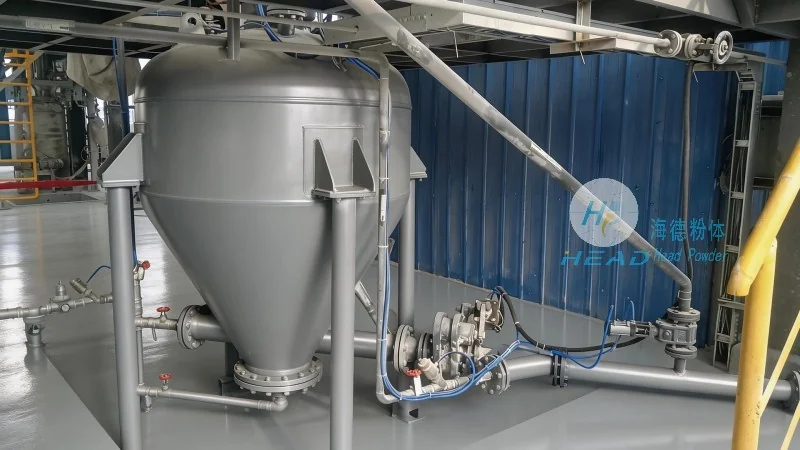
The operational environment for polyethylene powder pneumatic conveying systems is characterized by several critical factors that influence system design and performance. These include the material's properties, such as particle size, density, and moisture content, as well as the required conveying distance and flow rate. The choice of conveying mode—whether dense phase or dilute phase—plays a pivotal role in determining system efficiency and energy consumption. Dense phase conveying, for instance, is often preferred for high-value or sensitive materials like polyethylene, as it minimizes particle attrition and maintains product integrity throughout the process.
System Components and Operational Principles
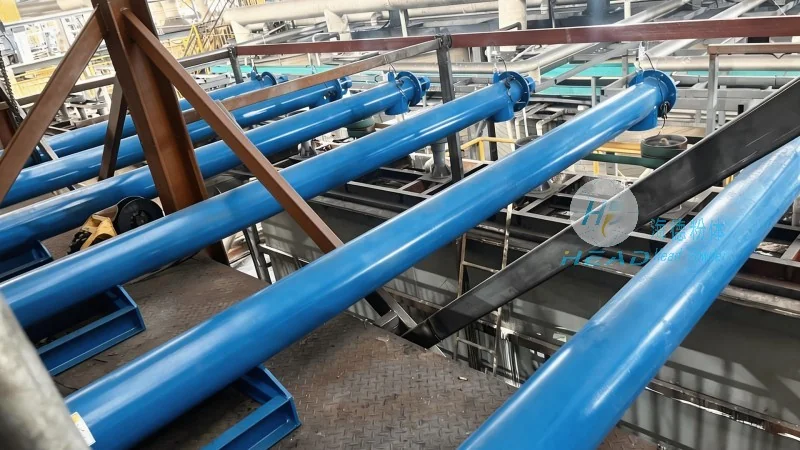
A typical polyethylene powder pneumatic conveying system consists of several essential components, including a material feed hopper, a conveying line, a control valve, and a receiver or discharge unit. The process begins with the material being fed into the hopper, where it is then drawn into the conveying line by a fan or blower. The air flow is carefully regulated to maintain the desired pressure or vacuum, ensuring the powder moves smoothly without clogging or degradation. The system's design must account for factors like material flow rate, pipeline length, and potential blockages, all of which are crucial for maintaining optimal performance.
Applications and Industry Impact
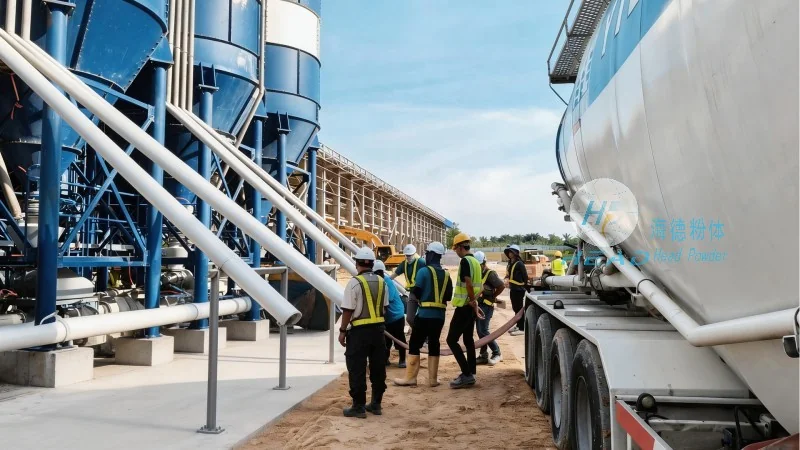
Polyethylene powder pneumatic conveying systems are widely used in industries such as plastics manufacturing, chemical processing, and food processing. The ability to transport polyethylene powder efficiently and safely is vital for maintaining production continuity and reducing downtime. By leveraging advanced engineering solutions, companies like HeadPowder ensure that their clients can achieve reliable material handling, enhance operational efficiency, and meet stringent quality standards. The adaptability of pneumatic conveying systems allows them to be integrated into existing production lines or used as standalone solutions, catering to diverse industrial needs.
Conclusion
In conclusion, the principles and characteristics of polyethylene powder pneumatic conveying systems are fundamental to modern industrial material handling. With a focus on efficiency, reliability, and product integrity, these systems provide a robust solution for transporting polyethylene powder across various operational environments. HeadPowder's expertise in designing and implementing such systems ensures that clients can achieve optimal performance and meet their production goals effectively.