

[WOKING PRINCIPLE AND CHARACTERISTICS OF SOYBEAN PNEUMATIC CONVEYING]
Comprehending the operational mechanics and attributes of soybean pneumatic conveying is essential for improving material handling efficiency in agricultural and industrial contexts. This article explores the core principles and distinctive features of this technology, offering insights that can enhance operational reliability and productivity for businesses engaged in soybean processing and transportation.
Introduction to Soybean Pneumatic Conveying
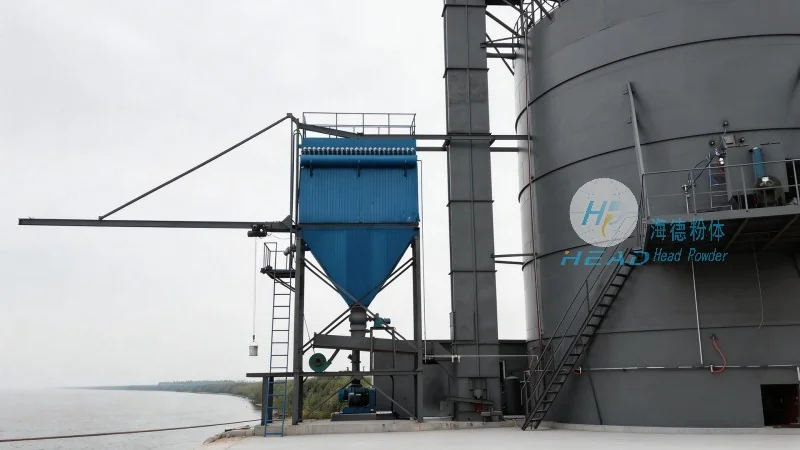
Soybean pneumatic conveying is a method of transporting bulk materials, such as soybeans, through a pipeline system using air as the primary transport medium. Unlike traditional mechanical conveyors like belt or bucket elevators, this system relies on the force of air to move particles. The technology is widely adopted in the food processing, agricultural, and manufacturing sectors due to its ability to handle delicate materials while maintaining low maintenance costs and high throughput rates.
Working Principle of Soybean Pneumatic Conveying
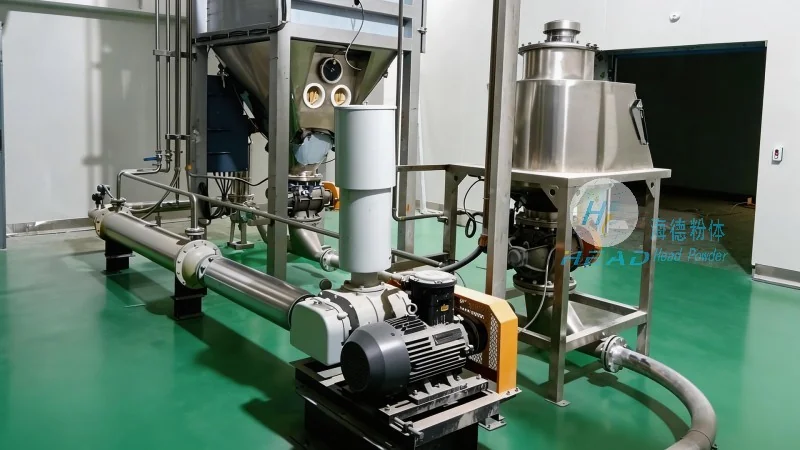
The fundamental working principle of soybean pneumatic conveying involves creating a pressure differential between the conveying line and the ambient environment. This is achieved through a blower or fan that generates a flow of air within the pipeline. As the air moves through the system, it draws soybeans from the source hopper into the pipeline via a venturi or a rotary valve. The air velocity is carefully controlled to ensure that the soybeans are entrained and transported without causing excessive wear or damage to the material. The system typically includes components like a hopper, a feeder, a blower, and a discharge point, all working in tandem to facilitate the smooth movement of soybeans from one location to another. The process begins with the soybeans being fed into the hopper, where they are then drawn into the pipeline by the suction created by the blower. The air flow is adjusted to maintain a consistent velocity, ensuring that the soybeans remain suspended and transported efficiently. At the discharge point, the air is separated from the soybeans, and the material is collected for further processing.
Key Characteristics of Soybean Pneumatic Conveying Systems
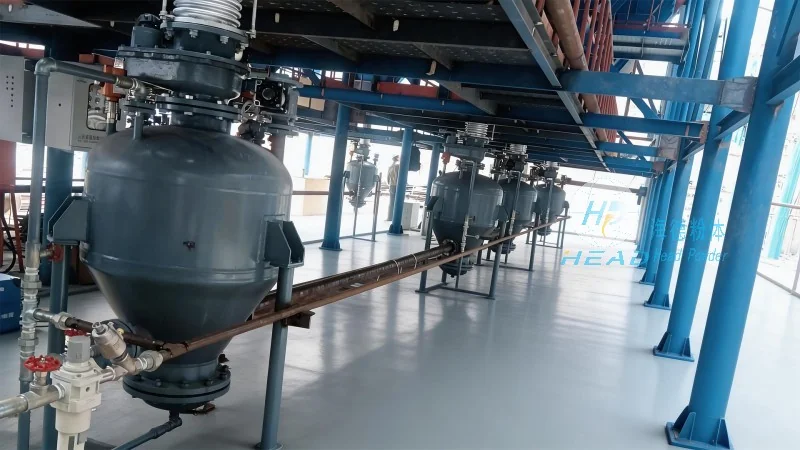
Several distinctive characteristics make soybean pneumatic conveying an attractive option for material handling. Firstly, it offers a dust-free and hygienic environment, which is particularly important in food processing applications where contamination control is paramount. The enclosed pipeline system prevents the exposure of soybeans to external elements, reducing the risk of spoilage and maintaining product quality. Secondly, the system is highly flexible in terms of layout and can be adapted to various facility configurations, allowing for horizontal, vertical, or mixed-direction transport. This adaptability makes it suitable for complex production lines where multiple processing stages are involved. Thirdly, pneumatic conveying systems are generally low in maintenance compared to mechanical alternatives, as they have fewer moving parts and are less prone to mechanical failure. The use of air as the primary transport medium also reduces the need for heavy machinery and infrastructure, leading to lower capital and operational costs over time. Additionally, the technology can handle a wide range of soybean types and sizes, making it versatile for different processing needs.
Application-Specific Benefits for Soybean Handling
For soybean processing facilities, the advantages of pneumatic conveying become even more pronounced. The technology enables efficient and continuous movement of soybeans from storage silos to processing units, such as hullers, decorticators, or extractors. The gentle handling of soybeans minimizes breakage and damage, which is critical for preserving the nutritional value and market quality of the final products. Additionally, the enclosed system helps in maintaining consistent moisture levels and preventing the introduction of foreign materials, ensuring that the processed soybeans meet stringent quality standards. In industrial settings, the ability to integrate multiple conveying lines and control systems allows for seamless coordination with other equipment, enhancing overall production efficiency and reducing downtime. The system's ability to handle high volumes of soybeans at a consistent rate also supports continuous production processes, improving overall throughput and reducing labor costs associated with manual handling.
Company Overview: Shandong HeadPowder Engineering Co., Ltd.
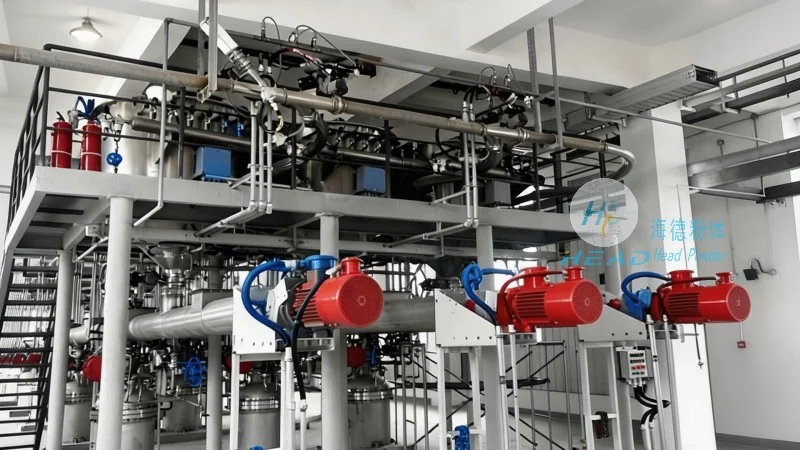
HeadPowder, a leading provider of material handling solutions, specializes in designing and manufacturing pneumatic conveying systems tailored to the unique needs of agricultural and industrial clients. With a focus on innovation and customer satisfaction, the company has established itself as a trusted partner in the industry. HeadPowder's expertise lies in understanding the specific challenges of soybean processing and developing customized solutions that optimize performance and reliability. The company's headquarters is located in Shandong, China, where it leverages advanced engineering capabilities and local resources to deliver high-quality products and services to global markets. HeadPowder's team of engineers and technicians work closely with clients to assess their specific requirements, providing tailored designs that meet both functional and regulatory standards. The company's commitment to quality is reflected in its adherence to international manufacturing standards and rigorous testing protocols, ensuring that each system is built to withstand the demands of continuous operation in demanding environments.