

Working Principle and Characteristics of Tea Pneumatic Conveying
Tea processing encompasses multiple stages from leaf harvesting to final packaging, and efficient material handling is critical for preserving product quality and operational efficiency. Pneumatic conveying systems have become a pivotal technology in the tea industry, offering a hygienic, dust-free, and adaptable method for transporting tea leaves and other processing materials. This article delves into the working principle and distinctive features of tea pneumatic conveying, offering insights into how this technology enhances tea production workflows.
The Working Principle of Tea Pneumatic Conveying
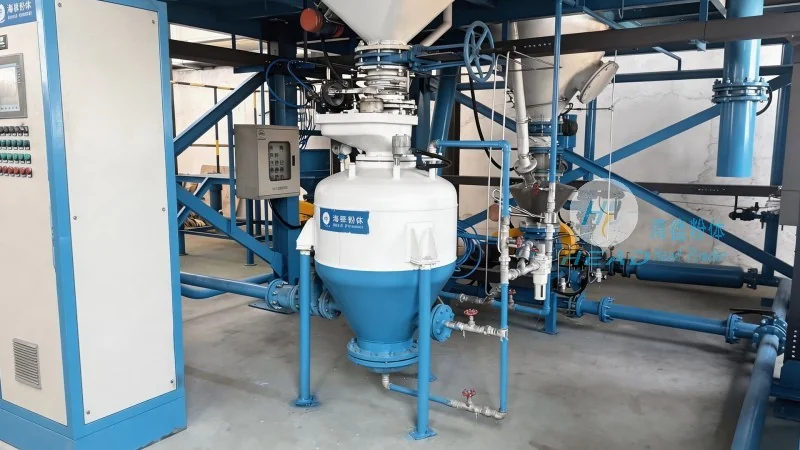
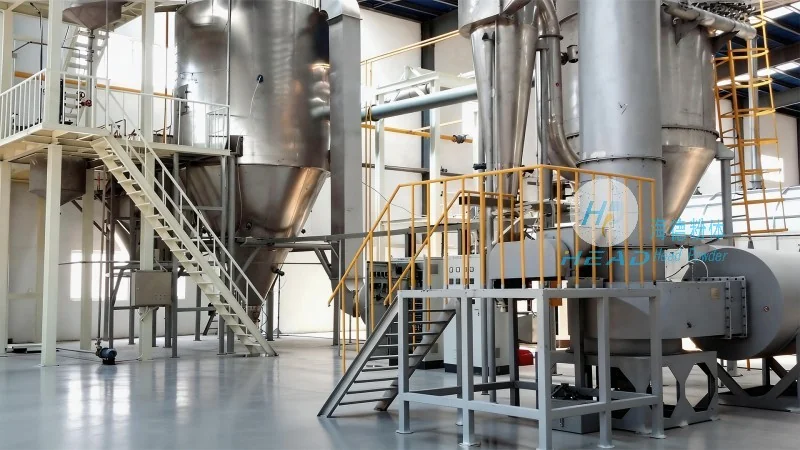
Tea pneumatic conveying operates on the principle of utilizing compressed air to move solid materials through a pipeline system. The process typically involves a series of components that collaborate to ensure smooth and efficient material transport. At the system's start, a hopper or feeder introduces tea leaves into the conveying line. A rotary valve or feeder then regulates the material flow into the pipeline, ensuring a consistent feed rate. Compressed air, often supplied by a blower or air compressor, is introduced into the pipeline, creating a pressure differential that propels the tea leaves forward. The air and material mixture travels through the pipeline, with the tea leaves carried by the air stream. The system may include various components such as bends, filters, and silencers to manage flow and maintain system efficiency. At the discharge end, a separator or cyclone separates the tea leaves from the air, allowing collection in a receiving bin or container. The air, now clean, is either vented or recirculated, depending on design and operational needs.
Key Characteristics of Tea Pneumatic Conveying
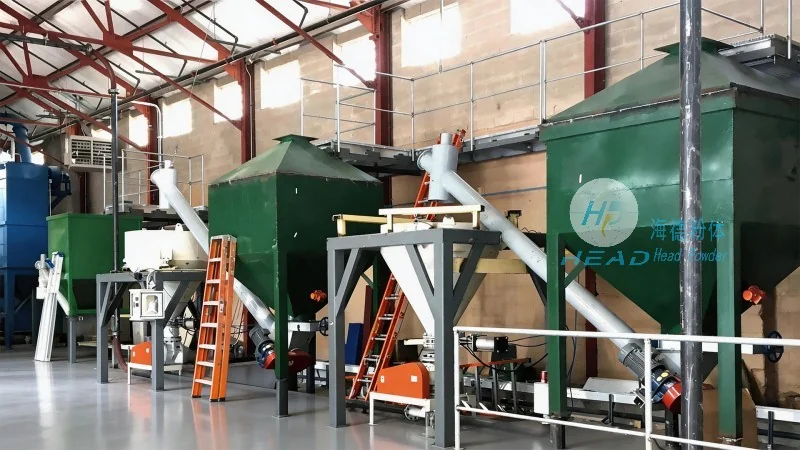
Tea pneumatic conveying systems exhibit several notable characteristics suitable for tea processing applications. First, the system is highly hygienic, as it operates in a closed pipeline, preventing contamination and maintaining tea leaf quality—an essential factor in food processing industries. Second, the system offers layout flexibility; the pipeline can be configured in various shapes and sizes to integrate with existing production layouts, enabling easy adaptation to facility changes. Third, the system provides a dust-free environment, benefiting both workers and products by reducing airborne dust and improving workplace cleanliness. Fourth, the system is relatively compact compared to other methods like belt conveyors or bucket elevators, making it ideal for facilities with limited space and allowing efficient use of floor area. Additionally, the system accommodates a wide range of material sizes and densities, making it versatile for different tea leaf types—from fine leaf teas to coarser grades. Adjustable air pressure and flow rate allow precise control over conveying speed, optimizing performance for varying material characteristics.

Benefits of Implementing Tea Pneumatic Conveying in Tea Production
Adopting tea pneumatic conveying in tea processing facilities yields numerous benefits that enhance operational efficiency and product quality. One primary advantage is reduced labor costs from manual handling, as the automated system minimizes human error and boosts productivity. The hygienic nature also preserves tea leaf quality and freshness, critical for meeting consumer expectations and regulatory standards. The dust-free environment improves worker safety by reducing respiratory risks and maintaining a clean workspace. The compact design saves space, enabling facilities to optimize layouts and streamline workflows. Moreover, the system adapts to changing production volumes or product types, providing a scalable solution for growing tea businesses. By implementing tea pneumatic conveying, manufacturers achieve higher throughput, better product consistency, and lower operational costs, ultimately strengthening market competitiveness.