

Working Principle and Characteristics of Bulk Flour Pneumatic Conveying
HeadPowder, a leading provider of bulk material handling solutions, specializes in advanced pneumatic conveying systems designed for efficient and reliable transport of bulk flour. With operations based in Shandong, China, the company leverages decades of industry expertise to deliver tailored solutions that meet the unique demands of flour processing and distribution. This article explores the fundamental working principles and distinctive characteristics of bulk flour pneumatic conveying, highlighting how these systems enhance operational efficiency and product integrity in industrial settings.
Understanding the Working Principle of Pneumatic Conveying for Flour
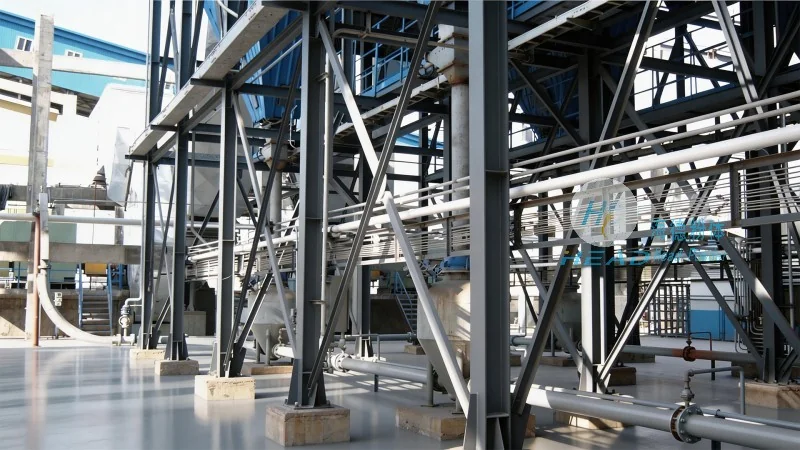
Bulk flour pneumatic conveying operates on the principle of using compressed air to transport dry, free-flowing materials like flour through a closed pipeline system. The process typically involves a series of key components that work in tandem to ensure smooth material movement. At the heart of the system is a dust collector or a hopper that serves as the material source, where flour is stored and prepared for transport. A rotary valve or a feeder is then used to control the flow of flour into the conveying line, ensuring a consistent and controlled discharge rate. Compressed air, generated by a blower or a fan, is introduced into the system, creating a pressure differential that propels the flour particles through the pipeline. The air and flour mixture travels through the conveying line, which may include bends, elbows, and vertical sections, before reaching the discharge point, where the flour is separated from the air and deposited into the receiving container. This continuous cycle of material feeding, air compression, and transport enables the efficient movement of flour from the source to the destination, minimizing downtime and maximizing throughput.
Key Characteristics of Pneumatic Conveying Systems for Flour
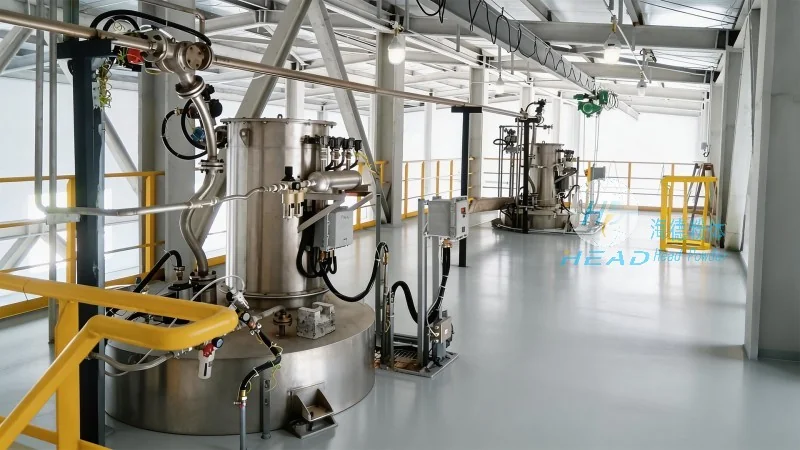
The pneumatic conveying systems used for bulk flour exhibit several critical characteristics that make them ideal for this application. Firstly, these systems are highly flexible, allowing for the design of complex conveying routes that can accommodate various plant layouts and operational requirements. The ability to route the pipeline horizontally, vertically, or in a combination of both provides significant advantages in space-constrained environments, enabling the integration of conveying lines within existing facilities without major structural modifications. Secondly, pneumatic conveying offers excellent material handling capabilities, as it can transport flour in both dilute-phase and dense-phase modes. Dilute-phase conveying, which involves a higher air-to-material ratio, is suitable for short to medium distances and provides high throughput, while dense-phase conveying, with a lower air-to-material ratio, is ideal for longer distances and ensures minimal product degradation, as the flour particles move more slowly and are less susceptible to attrition. This flexibility in conveying modes allows operators to optimize the system based on specific process needs, balancing efficiency with product quality. Thirdly, the systems are characterized by their ability to maintain product integrity and prevent contamination. The closed pipeline design eliminates exposure to external elements, reducing the risk of moisture absorption or contamination from dust or foreign particles. Additionally, the gentle handling of flour particles minimizes breakage and agglomeration, preserving the quality of the final product. This is particularly important in the flour industry, where product quality directly impacts consumer acceptance and market value. Fourthly, pneumatic conveying systems are known for their low maintenance requirements and operational reliability. The absence of moving parts in the conveying line, except for the feeder and the air source, reduces the likelihood of mechanical failures and simplifies maintenance procedures. Regular inspections and routine cleaning of the pipeline and components are typically sufficient to maintain optimal performance, resulting in lower downtime and reduced maintenance costs compared to traditional mechanical conveying methods. Finally, these systems offer energy efficiency benefits, as the compressed air can be recycled and reused within the system, reducing overall energy consumption. The use of energy-efficient blowers and the optimization of air flow rates further contribute to cost savings and environmental sustainability.
Advantages of Pneumatic Conveying for Bulk Flour Handling
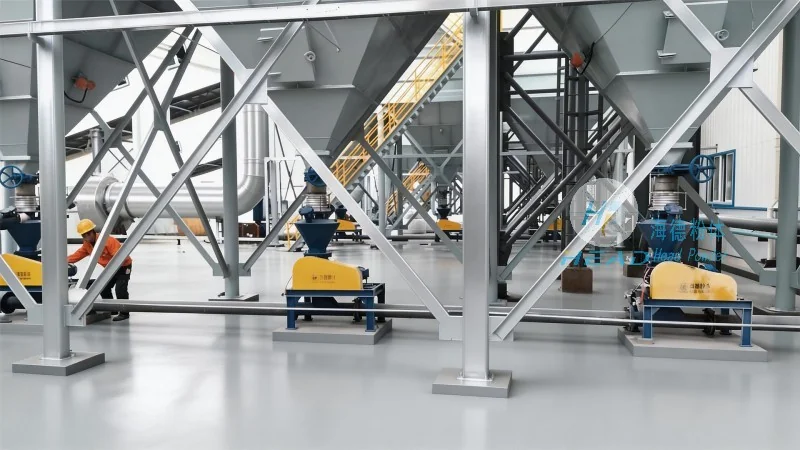
Implementing pneumatic conveying systems for bulk flour offers numerous advantages that enhance overall operational performance. One of the primary benefits is the significant improvement in process efficiency. By eliminating the need for manual handling or mechanical conveyors, such as belt conveyors or screw conveyors, the system automates the material transport process, reducing labor costs and increasing throughput. The continuous operation of the system ensures a steady flow of flour, minimizing bottlenecks and improving production line speed. Another key advantage is the reduction in product loss and contamination. The closed system design prevents flour from being exposed to the environment, reducing the risk of moisture absorption, pest infestation, or cross-contamination from other materials. This not only preserves the quality of the flour but also reduces waste and the need for reprocessing. Furthermore, pneumatic conveying systems contribute to better workplace safety. The absence of moving parts and the enclosed pipeline design minimize the risk of accidents, such as material spillage or equipment entanglement, creating a safer working environment for employees. The system also reduces dust emissions, as the flour is contained within the pipeline, preventing the release of airborne particles that can cause respiratory issues or environmental pollution. This aligns with modern industrial standards for occupational health and safety. Additionally, the flexibility of pneumatic conveying allows for easy integration with other processing equipment, such as mixers, classifiers, or packaging machines. The system can be designed to connect directly to these units, enabling seamless material transfer and streamlining the overall production process. This integration capability enhances the overall efficiency of the flour processing line and supports the implementation of automated manufacturing systems. Finally, the long-term cost-effectiveness of pneumatic conveying systems makes them a viable investment for flour processing facilities. While the initial setup cost may be higher compared to some traditional methods, the reduced maintenance, lower energy consumption, and increased productivity lead to substantial cost savings over the system's lifespan. The ability to handle large volumes of flour with minimal labor and equipment downtime further justifies the investment, making pneumatic conveying a cost-effective solution for bulk flour handling.
Conclusion
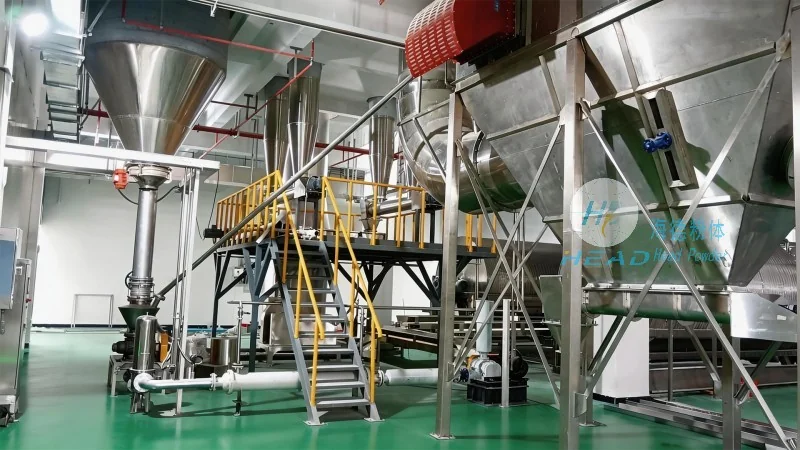
Bulk flour pneumatic conveying, as exemplified by the solutions offered by HeadPowder, represents a sophisticated and efficient method for transporting dry, free-flowing materials in industrial settings. The working principle, which relies on compressed air to move flour through a closed pipeline system, combined with the key characteristics of flexibility, product integrity, and low maintenance, makes it an ideal choice for flour processing and distribution. The advantages of this technology, including improved efficiency, reduced contamination, enhanced safety, and cost-effectiveness, contribute to its widespread adoption in the flour industry. As facilities continue to seek ways to optimize their operations and maintain product quality, pneumatic conveying systems remain a reliable and effective solution. HeadPowder, with its expertise and commitment to quality, continues to provide tailored pneumatic conveying solutions that meet the evolving needs of the flour industry, ensuring that bulk flour is transported safely, efficiently, and with minimal impact on product quality.