

The Working Principle and Features of Sulfate Potash Pneumatic Conveying
For industrial applications, the efficient and reliable transportation of bulk materials like sulfate potash is crucial. Pneumatic conveying systems offer a solution that combines flexibility with advanced technology. This article explores the working principle and key features of sulfate potash pneumatic conveying, highlighting how such systems operate and the benefits they provide in material handling processes. The information is presented by Shandong HeadPowder Engineering Co., Ltd., a leading provider of material handling solutions based in China.
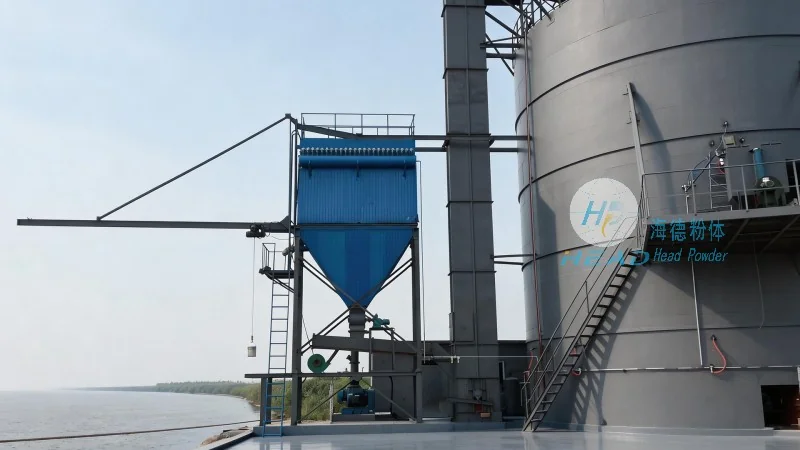
Understanding Sulfate Potash Pneumatic Conveying
Sulfate potash, a vital fertilizer and industrial chemical, requires specialized handling due to its physical properties. Pneumatic conveying systems utilize air or gas to transport the material from one location to another, eliminating the need for mechanical components like belts or buckets. This method is particularly effective for handling fine powders and granular materials, ensuring minimal product degradation and loss. The company, Shandong HeadPowder Engineering Co., Ltd., specializes in designing and manufacturing such systems tailored to the needs of various industries.
The Working Principle of Sulfate Potash Pneumatic Conveying
The core of a pneumatic conveying system involves creating a pressure differential to move the material. In a typical system, the process begins with a material hopper that feeds the sulfate potash into a conveying line. A blower or compressor generates the necessary airflow, which is directed through the pipeline. As the air flows, it lifts and transports the material particles through the system. The system may use either positive pressure (where air is pushed through the line) or negative pressure (where air is drawn out, creating a vacuum). The choice between these methods depends on factors such as the distance, material characteristics, and system design requirements. The company's expertise ensures that the system is optimized for the specific application, considering factors like material flow rate and pressure drop.
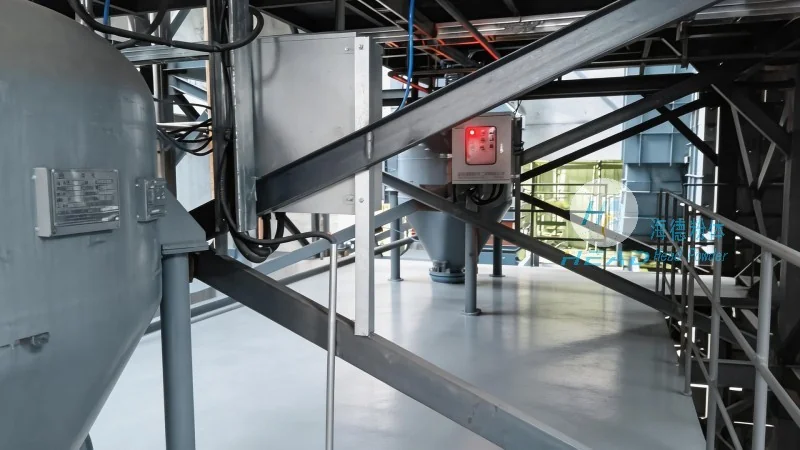
Key components in the system include the hopper, feeder, conveying line, and receiver. The hopper stores the sulfate potash and regulates the flow rate. The feeder ensures a consistent and controlled discharge of the material into the conveying line. The conveying line, often made of stainless steel or other corrosion-resistant materials, is designed to withstand the abrasive nature of the material. The receiver collects the transported material at the destination point, completing the process. The blower or compressor provides the driving force, with its capacity and pressure determined by the system's needs. Proper maintenance of these components is essential to ensure the system operates efficiently and reliably, as emphasized by the company's technical support team.
Key Features and Advantages of Sulfate Potash Pneumatic Conveying
Pneumatic conveying systems for sulfate potash offer several advantages that make them preferable in many industrial settings. One of the primary benefits is the ability to handle fine powders and granular materials without the need for additional equipment like elevators or conveyors. This reduces the risk of material segregation and contamination, which can affect product quality. The system also minimizes product degradation by avoiding contact with mechanical parts, ensuring that the sulfate potash retains its physical and chemical properties. The company's systems are designed to maximize these benefits, providing high-quality transportation for their clients.
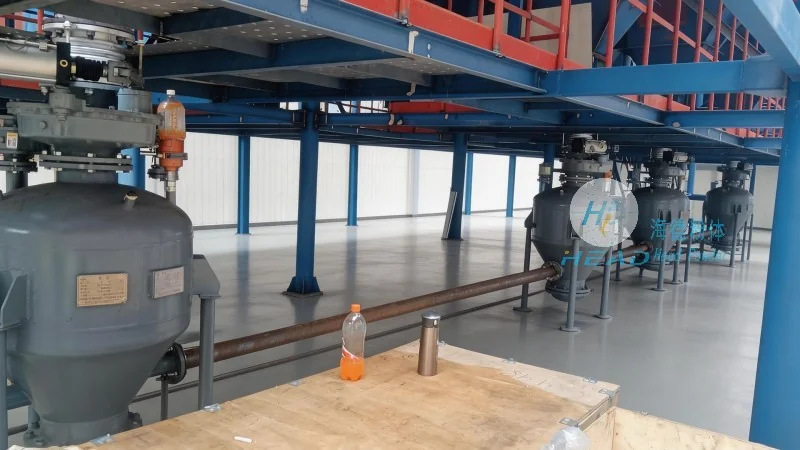
Another significant feature is the flexibility and scalability of pneumatic conveying systems. They can be easily integrated into existing production lines and adapted to handle varying material volumes. The system can transport materials over long distances, making it suitable for large-scale operations. Additionally, pneumatic conveying is energy-efficient compared to other methods, as it uses air as the primary medium, reducing operational costs. The enclosed pipeline design also helps in controlling dust and preventing environmental contamination, which is crucial for compliance with environmental regulations. The company's commitment to sustainability is reflected in the design of their systems, which prioritize energy efficiency and environmental protection.
The system's ability to handle abrasive materials like sulfate potash is another notable feature. The use of corrosion-resistant materials in the pipeline and components ensures long-term durability and reduces maintenance costs. The system also provides better control over the material flow, allowing for precise dosing and processing. This is particularly important in applications where the quality of the sulfate potash is critical, such as in fertilizer production or chemical processing. The company's engineering team ensures that the system is tailored to meet the specific requirements of each application, ensuring optimal performance.
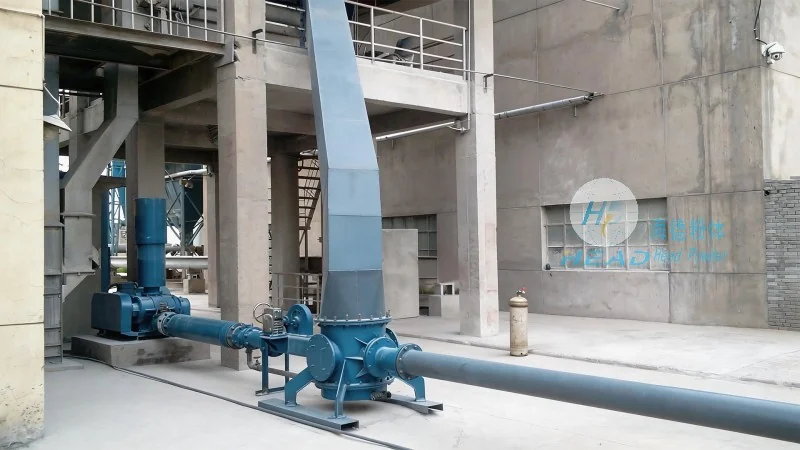
Applications and Industries
Sulfate potash pneumatic conveying systems are widely used in various industries, including agriculture, chemical manufacturing, and food processing. In agriculture, they are used to transport fertilizer to storage facilities or application sites, ensuring efficient distribution. In chemical manufacturing, the systems handle raw materials and intermediates, facilitating smooth production processes. The food processing industry also benefits from these systems, as they can transport powdered ingredients without compromising quality or safety. The company serves clients across these industries, providing customized solutions that meet their unique needs.
Conclusion
Pneumatic conveying systems for sulfate potash offer a reliable and efficient solution for material handling. By understanding the working principle and key features, industries can make informed decisions about implementing such systems. The benefits, including reduced product degradation, flexibility, and environmental friendliness, make pneumatic conveying an attractive option for handling sulfate potash. As technology advances, these systems continue to evolve, providing even better performance and reliability for industrial applications. Shandong HeadPowder Engineering Co., Ltd. remains at the forefront of this technology, offering innovative solutions that enhance the efficiency and sustainability of material handling processes.