

What is a Plastic Pellet Material Pneumatic Conveying Line? And What Are Its Design Principles?
Plastic pellet material pneumatic conveying lines are specialized systems designed to transport plastic pellets from one location to another using air as the conveying medium. These systems are widely used in the plastics processing industry for their efficiency, flexibility, and ability to handle various types of plastic materials. Understanding the core components and design principles of such systems is crucial for optimizing material handling processes in manufacturing facilities.
Introduction to Plastic Pellet Pneumatic Conveying Systems
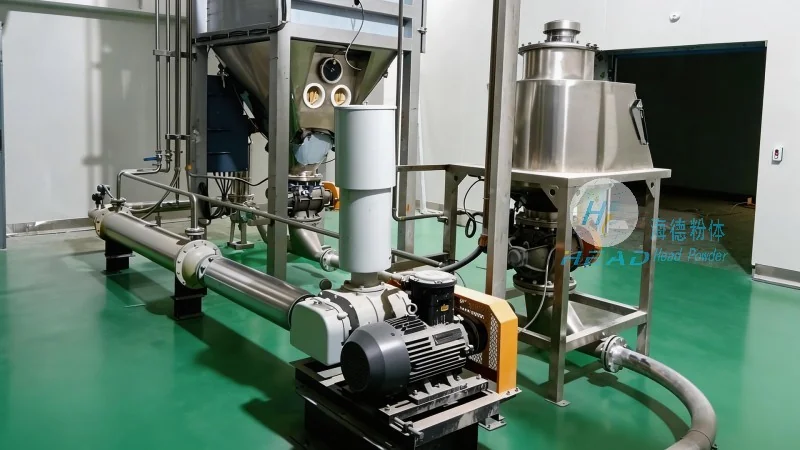
A plastic pellet material pneumatic conveying line typically consists of several key components, including a hopper for material storage, a conveyor line (often a pipeline), a blower or compressor to generate the air flow, and a receiver or discharge point for the material. The system operates by creating a pressure differential that moves the plastic pellets through the pipeline using air. This method is particularly advantageous for transporting plastic pellets over moderate distances, as it eliminates the need for mechanical components like belts or chains that might cause contamination or wear.
Key Components of a Pneumatic Conveying Line
The hopper serves as the primary storage and feeding unit, ensuring a consistent supply of plastic pellets to the system. It is designed to prevent material bridging and ensure smooth discharge into the conveyor line. The pipeline, usually made of stainless steel or other corrosion-resistant materials, is the main pathway for the material and air mixture. The blower or compressor provides the necessary air pressure and flow rate to move the pellets through the system. The receiver or discharge point collects the material at the end of the line, often equipped with a filter to separate the pellets from the air and prevent dust emissions.
Design Principles for Efficient Material Handling
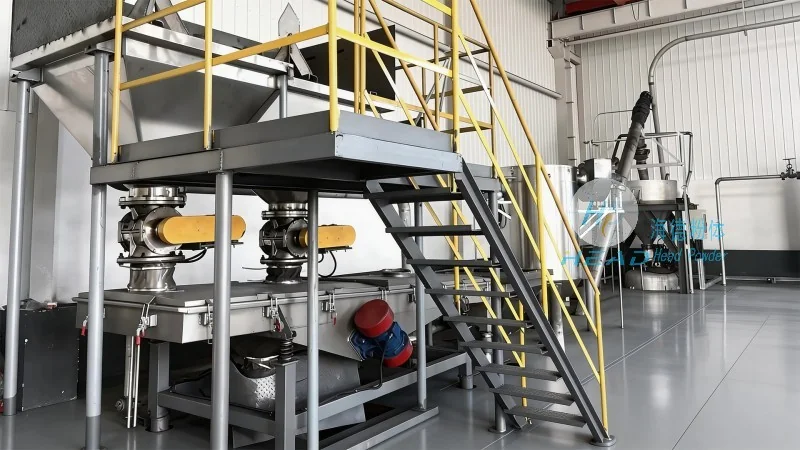
Designing an effective plastic pellet pneumatic conveying line involves several critical principles. First, the system must be sized to handle the required material flow rate, which depends on factors such as the type of plastic, pellet size, and desired conveying velocity. The air velocity in the pipeline is a key parameter; it must be high enough to keep the pellets suspended but not so high as to cause excessive wear or energy consumption. The pressure drop along the pipeline is another important consideration, as it affects the overall system efficiency and energy usage. Engineers must also account for the material's properties, such as density and abrasiveness, to select appropriate equipment and materials for the system components.
Advantages of Pneumatic Conveying for Plastic Pellets
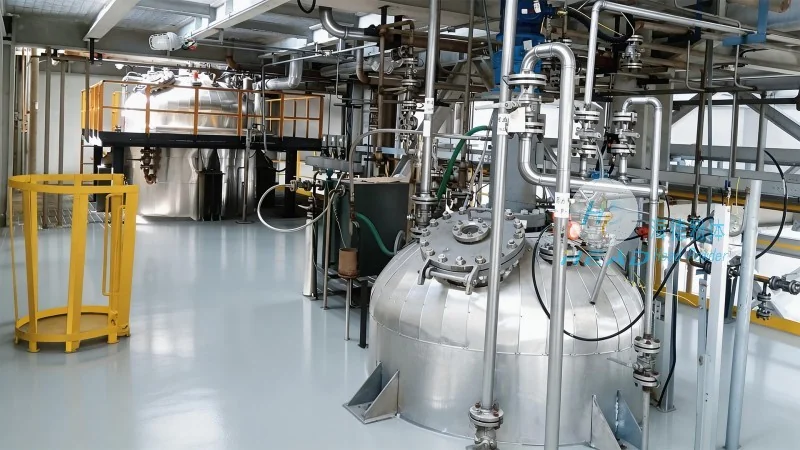
Compared to traditional mechanical conveying methods, plastic pellet pneumatic conveying lines offer several benefits. They are highly flexible, allowing for changes in material flow direction or distance without major modifications. The system is also less prone to material contamination, as it does not involve direct contact with mechanical parts. Additionally, pneumatic conveying can handle a wide range of plastic materials, including those that are hygroscopic or sensitive to moisture, by maintaining a controlled environment within the pipeline. The ability to transport materials in a closed system also reduces dust emissions and improves workplace safety.
Applications in the Plastics Industry
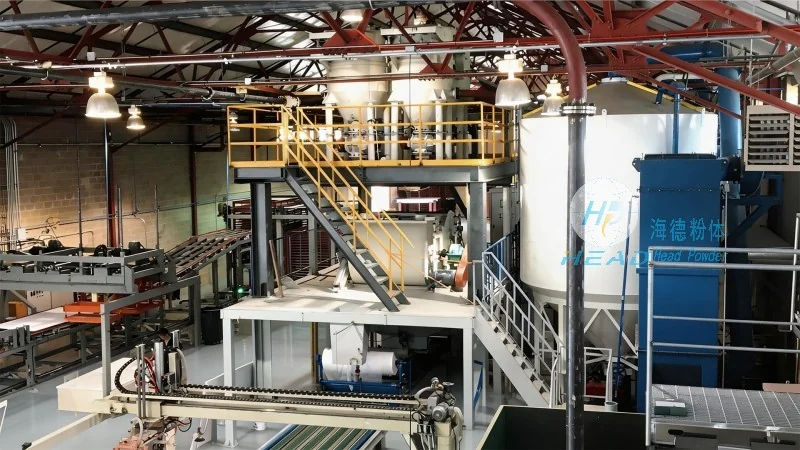
Plastic pellet pneumatic conveying lines are widely used in various applications within the plastics manufacturing industry. They are commonly employed in the production of plastic pellets themselves, where they transport raw materials from storage to processing equipment. In addition, they are used in downstream processes such as extrusion, injection molding, and blow molding, where plastic pellets are fed to the processing machines. The systems are also utilized in recycling operations, where plastic waste is converted into pellets and then transported to recycling facilities. The versatility and efficiency of these systems make them indispensable in modern plastics processing plants.
Conclusion and Company Overview
Plastic pellet material pneumatic conveying lines are sophisticated systems that play a vital role in the efficient handling of plastic materials in manufacturing facilities. By understanding the design principles and key components of these systems, companies can optimize their material handling processes, reduce costs, and improve overall productivity. Shandong HeadPowder Engineering Co., Ltd., a leading provider in this field, specializes in designing and manufacturing high-quality pneumatic conveying systems tailored to the specific needs of the plastics industry. With a focus on innovation and customer satisfaction, HeadPowder offers solutions that enhance operational efficiency and ensure the reliable transport of plastic pellets. Located in Shandong, China, the company leverages its expertise to deliver cutting-edge equipment that meets the demands of modern plastics processing.