

What is an Iron Oxide Powder Material Pneumatic Conveying Line? And What Are Its Design Principles?
For industrial operations dealing with iron oxide powder, the efficient and reliable transportation of this material is crucial. A pneumatic conveying line specifically designed for iron oxide powder represents a sophisticated system that combines technology and engineering to ensure safe, efficient, and cost-effective material handling. This article explores the concept of an iron oxide powder material pneumatic conveying line, detailing its design principles and the factors that make it an optimal solution for handling this particular type of powder.
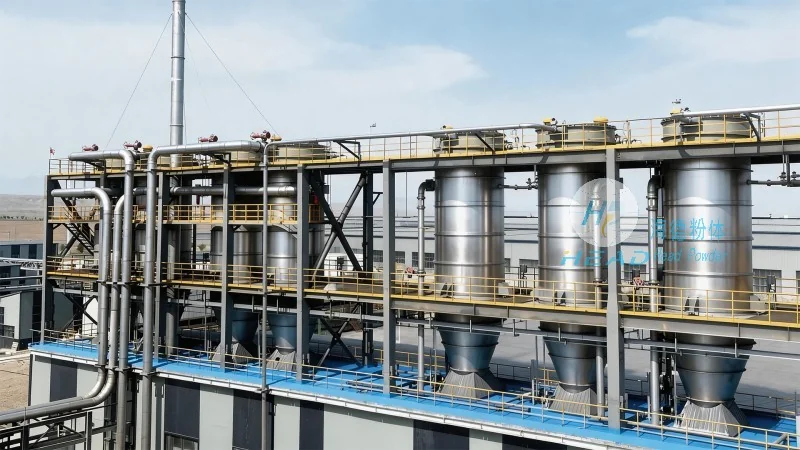
About Shandong HeadPowder Engineering Co., Ltd.
Shandong HeadPowder Engineering Co., Ltd., a leading manufacturer in the field of material handling systems, specializes in the design, development, and installation of pneumatic conveying solutions. With a strong commitment to quality and innovation, the company has built a reputation for delivering robust and efficient systems tailored to the unique needs of various industries. HeadPowder's expertise lies in understanding the specific properties of materials like iron oxide powder and translating that knowledge into effective conveying solutions. The company's facilities are located in Shandong, China, where it leverages advanced manufacturing capabilities and a team of experienced engineers to produce high-performance pneumatic conveying lines.
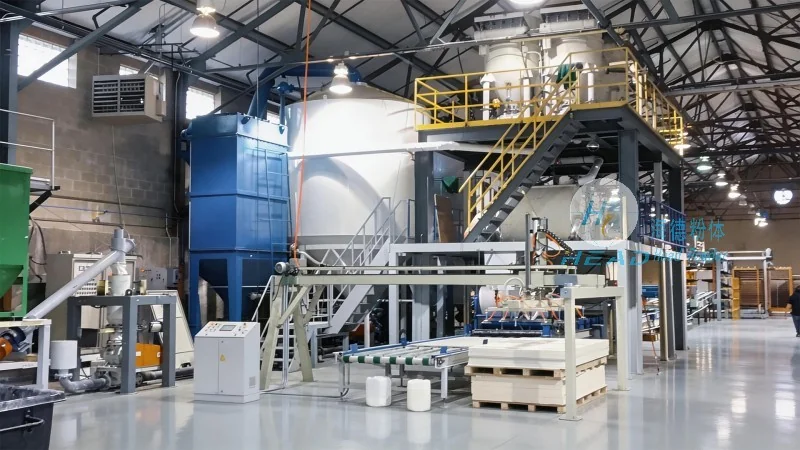
Pneumatic Conveying Line for Iron Oxide Powder: Key Components and Functionality
The iron oxide powder material pneumatic conveying line is a closed-loop system that uses compressed air or other gases to transport iron oxide powder from one location to another. At its core, the system consists of several key components that work in harmony to ensure smooth and continuous material transport. The primary components include a material feed hopper, a rotary airlock valve, a conveying pipeline, a pulse jet filter, and a receiver or discharge hopper. The material feed hopper is responsible for storing and feeding the iron oxide powder into the system. The rotary airlock valve acts as a control device, regulating the flow of powder into the pipeline and preventing backflow. The conveying pipeline, typically made of stainless steel or other corrosion-resistant materials, transports the powder through the system. The pulse jet filter is essential for cleaning the air and removing any dust particles, ensuring a clean and safe operation. The receiver or discharge hopper collects the iron oxide powder at the end of the conveying line, ready for further processing or use.
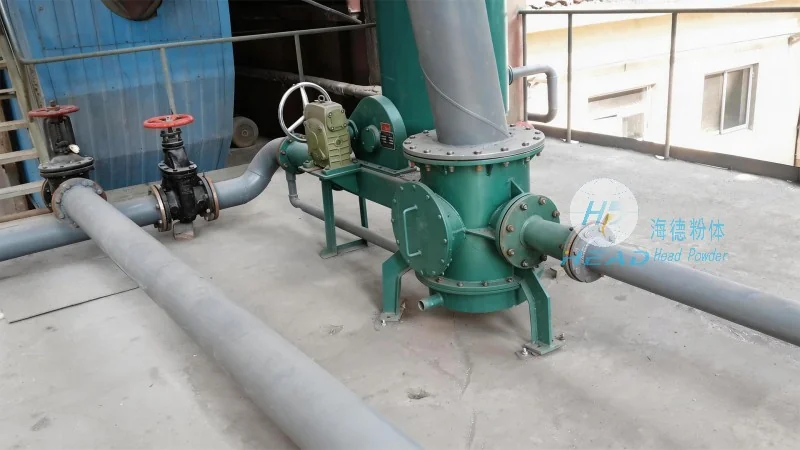
Design Principles of an Iron Oxide Powder Pneumatic Conveying Line
The design of an iron oxide powder pneumatic conveying line is based on several fundamental principles that ensure optimal performance and efficiency. The first principle is the selection of appropriate air velocity, which is critical for maintaining the powder in a suspended state and preventing blockages. The air velocity must be sufficient to keep the iron oxide powder particles airborne but not so high as to cause excessive wear on the system components. The second principle is the consideration of the material's properties, such as particle size, density, and moisture content. These properties influence the required air velocity, pipeline diameter, and system pressure. For iron oxide powder, which is typically fine and has a relatively high density, the system design must account for these characteristics to ensure reliable operation. The third principle is the use of a closed-loop system, which minimizes dust emissions and improves safety. The system recirculates the air through the pulse jet filter, reducing the need for external air intake and maintaining a clean environment. Additionally, the design incorporates features like explosion-proof components and dust collection systems to meet safety standards and regulatory requirements.
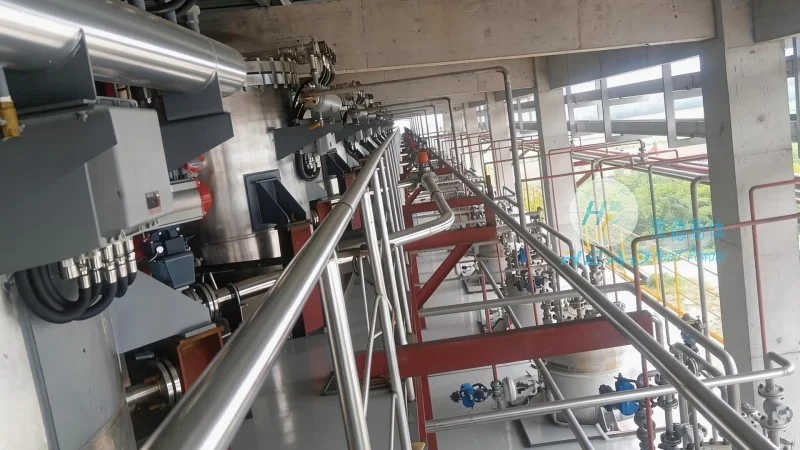
Advantages of Using a Pneumatic Conveying Line for Iron Oxide Powder
Implementing a pneumatic conveying line for iron oxide powder offers numerous advantages over traditional material handling methods. One of the most significant benefits is the reduction in labor costs and operational time. The automated system eliminates the need for manual handling, which is often hazardous and time-consuming. This leads to increased productivity and efficiency in the production process. Another advantage is the improvement in product quality and consistency. The closed-loop system prevents contamination from external sources, ensuring that the iron oxide powder remains pure and free from impurities. This is particularly important for applications where the powder is used in high-value products, such as pigments or coatings. Furthermore, the system reduces the risk of dust explosions and other safety hazards, as the material is contained within the pipeline and the air is filtered and cleaned. The energy efficiency of the system is also a key advantage, as it uses compressed air efficiently and minimizes energy waste. Overall, a pneumatic conveying line provides a reliable, safe, and cost-effective solution for handling iron oxide powder, making it an ideal choice for industrial applications.