

What is a Carboxymethyl Cellulose Material Pneumatic Conveying Line? And What Are Its Design Princip
Carboxymethyl cellulose (CMC) is a widely used chemical additive in various industries, including food, pharmaceuticals, and construction. When handling CMC in bulk, efficient and reliable material transport is crucial. A pneumatic conveying line is a system designed to move powders like CMC through a pipeline using air or gas as the conveying medium. This article explores the concept of a CMC material pneumatic conveying line and delves into its design principles, highlighting the technology's importance in industrial applications.
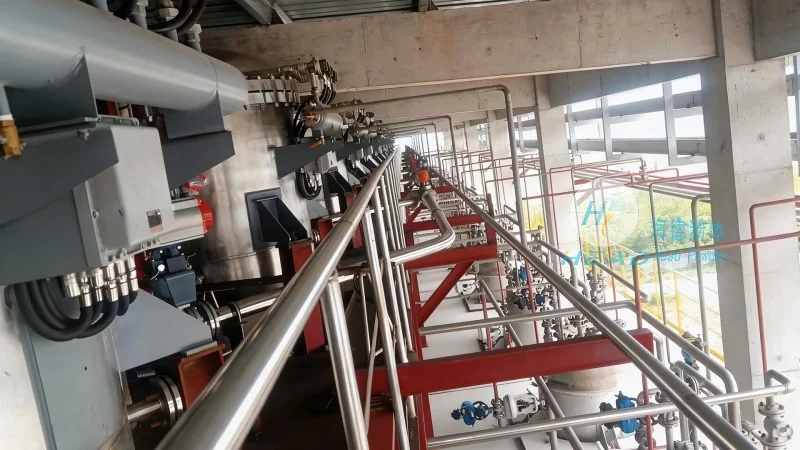
Understanding Pneumatic Conveying Systems for CMC
Pneumatic conveying lines are a type of bulk material handling system that utilizes air or gas to transport dry powders or granules. Unlike mechanical conveyors, which rely on physical contact and friction, pneumatic systems use pressure differentials to move materials through a pipeline. This method is particularly advantageous for materials like CMC, which are often fine, dusty, or sensitive to contamination. The system typically consists of a hopper, a feeder, a conveying line, and a receiver, all working in tandem to ensure smooth material flow.
Key Components of a CMC Pneumatic Conveying Line
The effectiveness of a CMC pneumatic conveying line depends on several critical components. The hopper serves as the storage vessel, holding the bulk CMC material. It is designed to minimize material degradation and ensure a consistent feed rate. The feeder, often a rotary valve or a screw feeder, regulates the flow of CMC from the hopper into the conveying line. This component is crucial for maintaining a stable and controlled material discharge, preventing overfeeding or underfeeding that could disrupt the conveying process. The conveying line itself is a network of pipes, usually made of stainless steel or other corrosion-resistant materials, to accommodate the chemical properties of CMC. The receiver is the final destination where the CMC is deposited, and it may include features like a dust collection system to prevent environmental contamination.
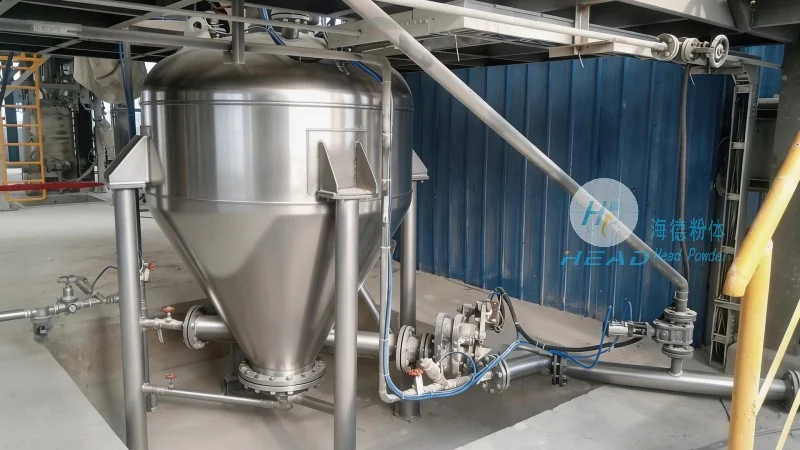
Design Principles for Efficient CMC Pneumatic Conveying
The design of a CMC pneumatic conveying line must consider several factors to ensure optimal performance. First, the system must be able to handle the specific properties of CMC, such as its fineness, moisture content, and flowability. CMC is a fine powder, which can lead to issues like blockages or increased pressure drop if not properly managed. Therefore, the design often includes features like pulse jet cleaning to prevent material buildup in the pipes. Second, the air velocity and pressure must be carefully calculated to achieve the desired conveying rate without causing excessive wear on the system components. The velocity is typically maintained above the minimum fluidization velocity to prevent material settling in the pipeline. Third, the system must be designed for easy maintenance and cleaning, as CMC can adhere to surfaces and cause clogging. This includes incorporating access points for inspection and cleaning, as well as using materials that are resistant to CMC's chemical properties.
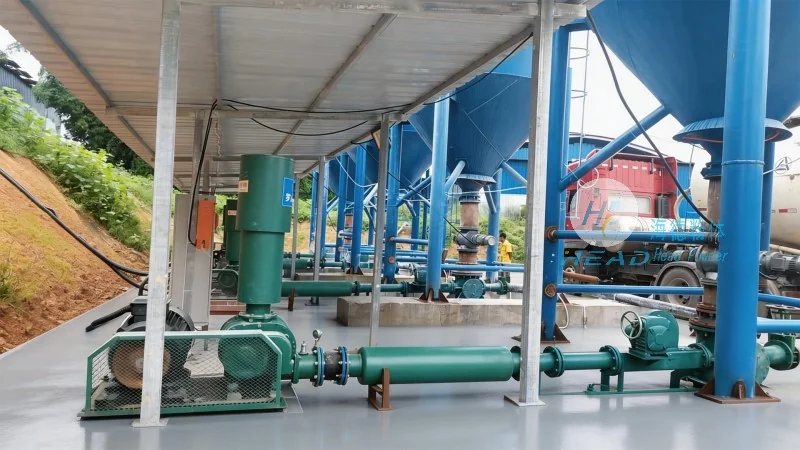
Advantages of Using a Pneumatic Conveying Line for CMC
Implementing a pneumatic conveying line for CMC offers several advantages over traditional handling methods. One of the primary benefits is the ability to transport CMC over long distances without the need for multiple transfer points or intermediate storage. This reduces the risk of material loss or contamination during handling. Additionally, pneumatic systems are more flexible in terms of layout, allowing for changes in the production process without major reconfigurations. The enclosed nature of the system also minimizes dust emissions, improving workplace safety and environmental compliance. For industries dealing with sensitive materials like CMC, these advantages make pneumatic conveying a preferred choice for material transport.
Conclusion and Company Overview
In conclusion, a carboxymethyl cellulose material pneumatic conveying line is a sophisticated system designed to efficiently and safely transport fine powders like CMC. The design principles, which include careful consideration of material properties, system components, and operational parameters, ensure that the system operates reliably and efficiently. Companies like Shandong HeadPowder Engineering Co., Ltd., with their expertise in bulk material handling, provide tailored solutions for industries requiring high-quality CMC transport systems. By leveraging advanced pneumatic conveying technology, these systems enhance productivity, reduce operational costs, and ensure compliance with industry standards.