

What is a Weighing Feeder Material Pneumatic Conveying Machine? What are its Design Principles?
HeadPowder, a leading manufacturer based in Shandong, China, specializes in industrial conveying equipment. This article explores the concept of a weighing feeder material pneumatic conveying machine and its underlying design principles, providing a comprehensive overview for industry professionals.
Introduction to Weighing Feeder Material Pneumatic Conveying Machines
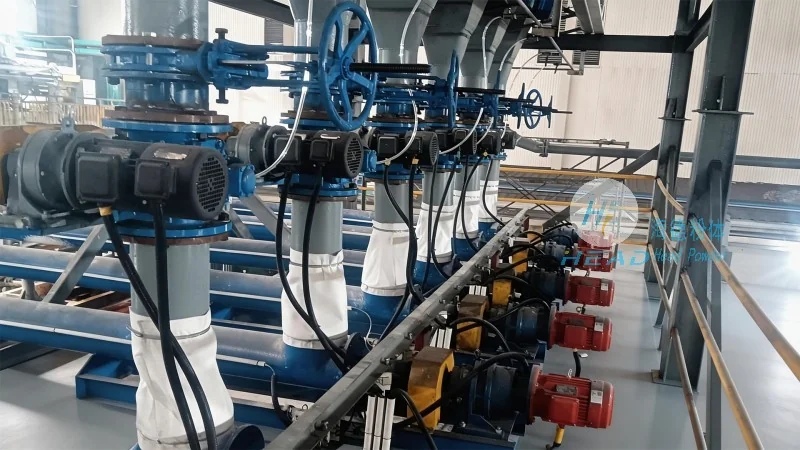
A weighing feeder material pneumatic conveying machine is a specialized industrial device designed to transport bulk materials through an air-driven system while simultaneously measuring and controlling the feed rate. This equipment integrates a feeder mechanism with a pneumatic conveying system, enabling precise material handling in various industrial processes. The machine is commonly used in sectors such as chemical, food, pharmaceutical, and mining, where accurate material flow control is critical for production efficiency and product quality.
Key Components and Structure
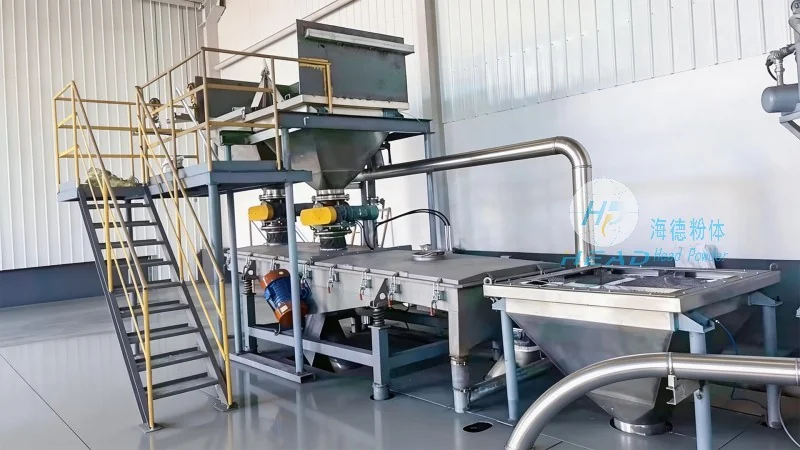
The design of a weighing feeder material pneumatic conveying machine typically includes several core components that work in harmony to achieve its functions. The primary components are the hopper, the weighing feeder, the pneumatic conveying line, and the control system. The hopper serves as the material storage container, feeding material into the feeder. The weighing feeder, often equipped with load cells or other sensing technologies, measures the weight of the material being discharged, allowing for real-time adjustment of the feed rate. The pneumatic conveying line, which may consist of pipelines, air movers (like blowers or fans), and separation equipment, transports the material from the feeder to the destination. The control system integrates the weighing data with the pneumatic conveying operations, ensuring precise control over the material flow.
Working Principle of the Design
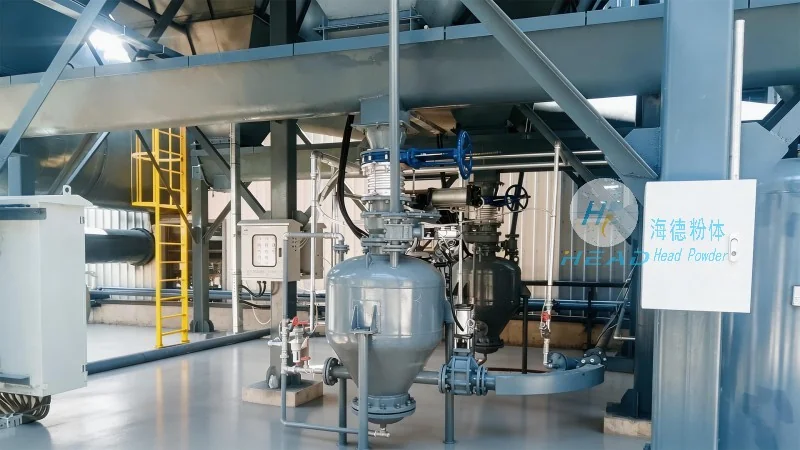
The operation of a weighing feeder material pneumatic conveying machine is based on the principle of pneumatic transport combined with weight measurement. The process begins with material being fed from the hopper into the weighing feeder. As material accumulates, the load cells detect the weight change, and the control system adjusts the air pressure or flow rate to maintain a consistent discharge rate. This feedback loop ensures that the material is conveyed at a controlled rate, preventing overloading or underfeeding. The pneumatic conveying system uses compressed air to create a flow that carries the material particles through the pipeline. The design may include features such as cyclone separators or filters to separate the material from the air at the receiving end, ensuring clean material delivery. The integration of weighing technology with pneumatic conveying allows for high-precision material handling, which is essential for applications requiring strict dosage control, such as in chemical batching or food processing.
Advantages and Applications
Using a weighing feeder material pneumatic conveying machine offers several advantages in industrial operations. The primary benefit is the ability to achieve precise and consistent material feed rates, which improves production efficiency and reduces waste. The pneumatic system allows for the transport of materials over long distances without the need for mechanical components like belts or chains, minimizing maintenance and downtime. Additionally, the design can handle a wide range of materials, including powders, granules, and bulk solids, making it versatile for various industries. In the chemical industry, it is used for transporting raw materials and intermediates in batch processes. In the food industry, it ensures hygienic and accurate handling of ingredients, meeting regulatory standards. The mining sector utilizes it for transporting ore and other minerals from processing plants to storage or further processing units.
Conclusion
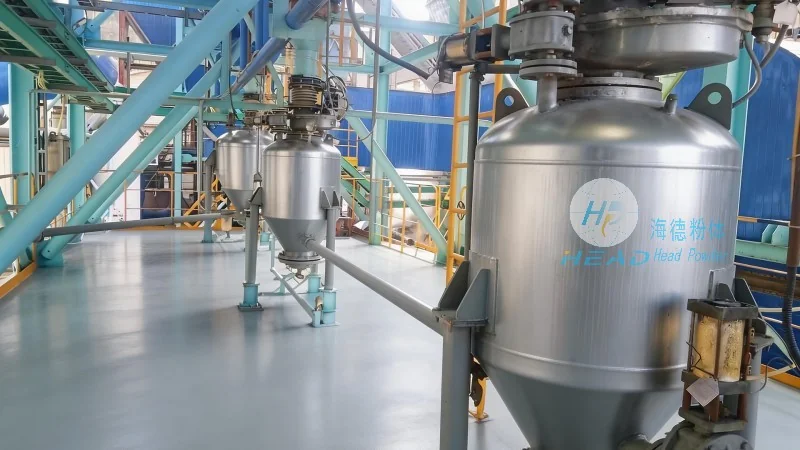
In summary, a weighing feeder material pneumatic conveying machine is a sophisticated piece of equipment that combines weighing technology with pneumatic transport to achieve precise material handling. The design principles focus on integrating accurate weight measurement with controlled air flow to maintain consistent feed rates. HeadPowder, with its expertise in engineering such systems, provides reliable solutions for industries requiring high-precision material transport. By understanding the components and working principles, users can appreciate the importance of this equipment in modern industrial operations.