

What is an Automatic Continuous Material Pneumatic Conveying Machine? What are its Design Principles
For industrial operations that require efficient and reliable material handling, pneumatic conveying systems have become a cornerstone technology. Among these, the automatic continuous material pneumatic conveying machine stands out as a sophisticated solution designed to handle bulk materials with precision and consistency. This article explores the fundamental aspects of such machines, delving into their design principles and operational capabilities, while highlighting the expertise of Shandong HeadPowder Engineering Co., Ltd., a leading manufacturer based in China.
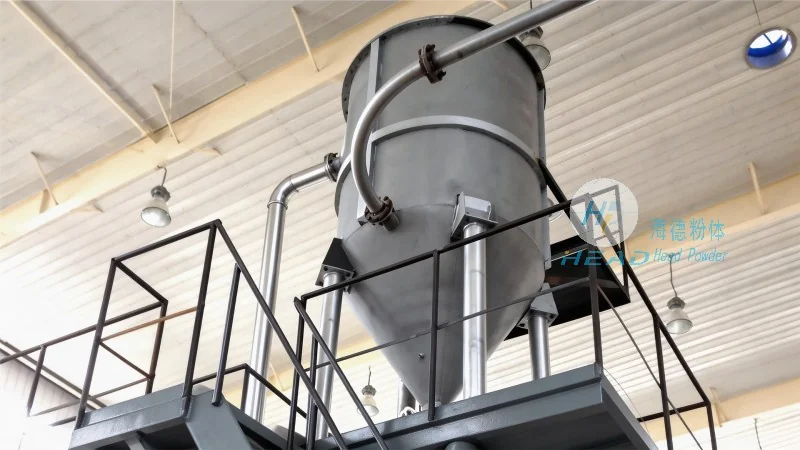
Introduction to Automatic Continuous Material Pneumatic Conveying Machines
An automatic continuous material pneumatic conveying machine is a specialized piece of equipment used to transport bulk materials from one location to another through an enclosed pipeline system. Unlike traditional methods that rely on mechanical components like belts or buckets, this system utilizes compressed air or gas to move materials, offering advantages such as reduced maintenance, lower labor costs, and the ability to handle a wide range of materials, including powders, granules, and even fine particles. The "automatic continuous" aspect refers to the machine's ability to operate without manual intervention, maintaining a steady flow of material throughout the process, which is crucial for continuous production lines in industries like pharmaceuticals, food processing, and chemical manufacturing.
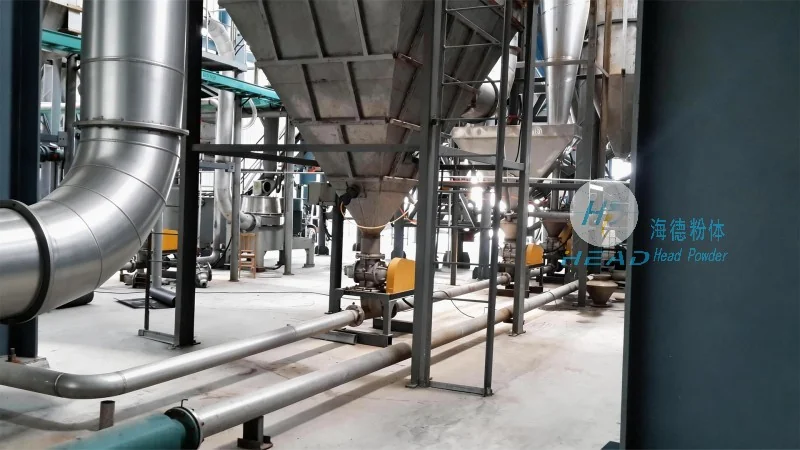
Key Features of the Pneumatic Conveying System
The core of an automatic continuous material pneumatic conveying machine lies in its integrated components, each designed to work in harmony to ensure optimal performance. These features include: a) a feeding hopper that stores and feeds the material into the system; b) a conveying pipeline that transports the material under pressure; c) a control system that regulates the flow rate and pressure; d) a discharge unit that delivers the material to the target location; and e) a filter system that captures any fine particles or dust to maintain air quality and prevent contamination. The system is engineered to handle varying material characteristics, such as density, moisture content, and particle size, ensuring consistent and reliable operation.
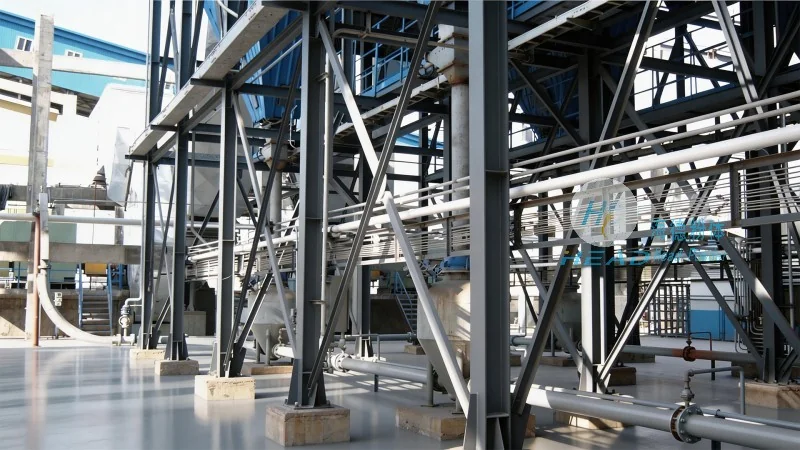
Design Principles and Technical Specifications
The design of an automatic continuous material pneumatic conveying machine is based on several key principles to maximize efficiency and minimize energy consumption. One of the primary principles is the use of positive pressure or negative pressure (suction) to move materials. Positive pressure systems, where air is forced into the pipeline, are commonly used for long-distance or high-capacity applications, while negative pressure systems are suitable for short-distance or dusty environments. The machine's design also considers the material's flow properties, such as its angle of repose and friction coefficient, to ensure smooth movement without blockages. Technical specifications typically include the conveying capacity (measured in tons per hour), the maximum pipeline length, the air pressure requirements, and the power consumption. These specifications are tailored to meet the specific needs of the end-user, ensuring that the system operates within the required parameters for optimal performance.
Application Scenarios and Operational Advantages
The automatic continuous material pneumatic conveying machine is widely used in various industries due to its versatility and efficiency. In the pharmaceutical industry, it is employed to transport active pharmaceutical ingredients (APIs) and excipients with high precision, ensuring that the materials remain sterile and free from contamination. In the food processing sector, it handles ingredients like flour, sugar, and spices, maintaining hygiene standards and preventing cross-contamination. The chemical industry utilizes this system for transporting powders and granules, such as fertilizers or pigments, where consistent quality is paramount. The operational advantages of this machine include reduced downtime, lower maintenance costs, and the ability to handle materials in a closed system, which minimizes dust exposure and environmental impact. Additionally, the continuous operation allows for seamless integration into production lines, enhancing overall productivity and reducing labor requirements.
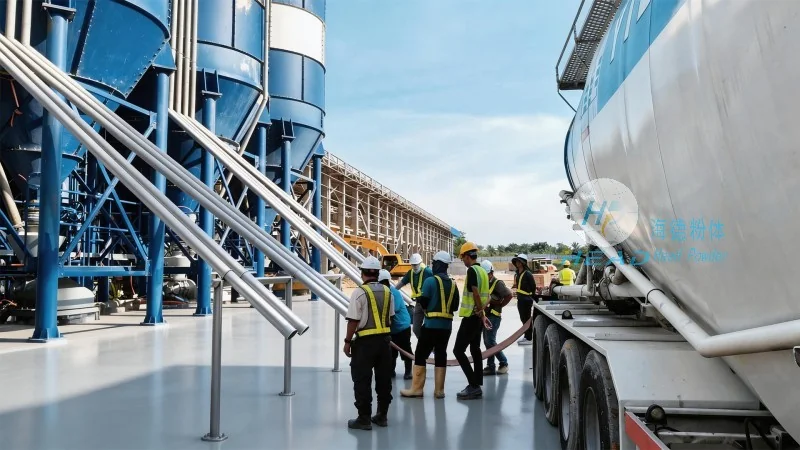
Company Profile: Shandong HeadPowder Engineering Co., Ltd.
Shandong HeadPowder Engineering Co., Ltd., commonly known as HeadPowder, is a reputable manufacturer based in Shandong, China. The company specializes in the design, development, and production of advanced pneumatic conveying systems and related equipment. With years of experience in the industry, HeadPowder has established itself as a trusted partner for businesses seeking reliable and efficient material handling solutions. The company's commitment to quality, innovation, and customer satisfaction has earned it a strong reputation in both domestic and international markets. HeadPowder's products are engineered to meet international standards and are tailored to the specific needs of each client, ensuring that the final solution is both effective and cost-efficient. The company's headquarters is located in Shandong, China, providing a strong foundation for its operations and support services.