

What is a Dust-Free Feeding Material Pneumatic Conveying Machine? What Are Its Design Principles?
When it comes to handling bulk materials in industrial settings, especially those that require strict dust control, the dust-free feeding material pneumatic conveying machine has become an essential piece of equipment. This technology offers a solution for transporting powders and granules with minimal contamination and high efficiency. Understanding what this machine is and its underlying design principles is crucial for industries such as pharmaceuticals, food processing, and chemical manufacturing where product purity is paramount.
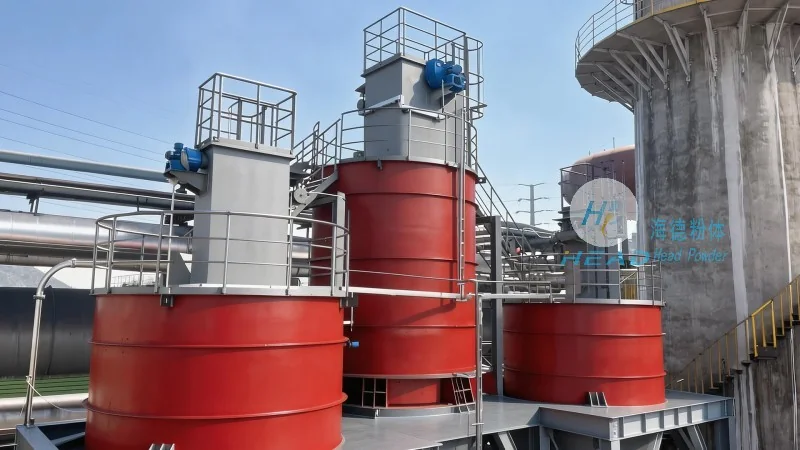
Introduction to Dust-Free Feeding Material Pneumatic Conveying Machines
A dust-free feeding material pneumatic conveying machine is a system designed to transport bulk materials from a storage silo or hopper to processing equipment or packaging lines. Unlike traditional belt or screw conveyors, this machine uses air pressure to move materials, eliminating the need for physical contact that can lead to contamination. The system typically consists of a hopper, a conveying line, a receiver, and a control unit. The key advantage is the ability to maintain a clean and controlled environment, which is critical in industries where dust can affect product quality or pose health risks.
Design Principles of the Dust-Free Feeding System
The design of a dust-free feeding material pneumatic conveying machine is centered around creating a closed-loop system that minimizes particle loss and air leakage. The primary design principles include:
1. Airtight Construction: All components, including the hopper, conveying line, and receiver, are constructed with materials that prevent dust leakage. This is achieved through the use of high-quality seals and gaskets, ensuring that the system operates under a slight positive pressure to keep contaminants from entering.
2. Positive Pressure Operation: The system operates under positive pressure, meaning that air is forced into the conveying line and receiver. This prevents external air and contaminants from entering the system, maintaining the integrity of the material being transported. The pressure is carefully controlled to ensure efficient material movement without excessive energy consumption.
3. Material Compatibility: The components are made from materials that are compatible with the specific bulk material being handled. For example, in pharmaceutical applications, stainless steel or food-grade plastics are used to prevent contamination and ensure product safety. The design also considers the abrasiveness and moisture content of the material to select appropriate materials for the hopper and conveying line.
4. Control and Monitoring: Modern dust-free feeding systems are equipped with advanced control units that monitor pressure, flow rate, and material level. These controls allow for precise regulation of the conveying process, ensuring consistent performance and preventing issues such as blockages or overfilling. The system may also include sensors to detect any leaks or pressure drops, providing early warnings to operators.
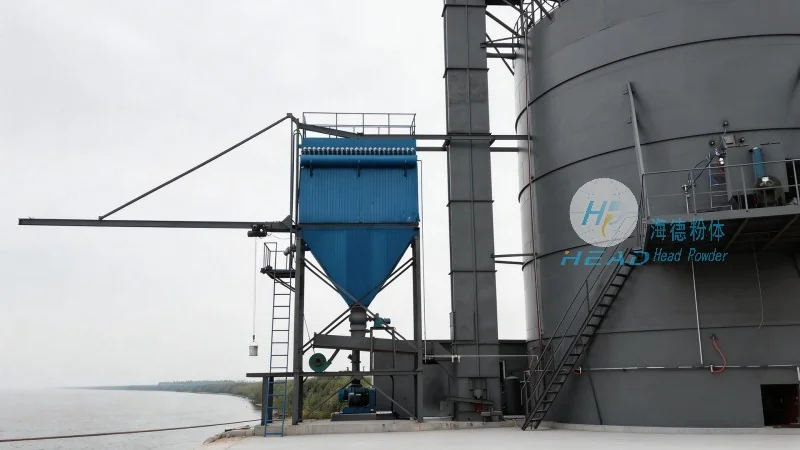
Key Components and Their Functions
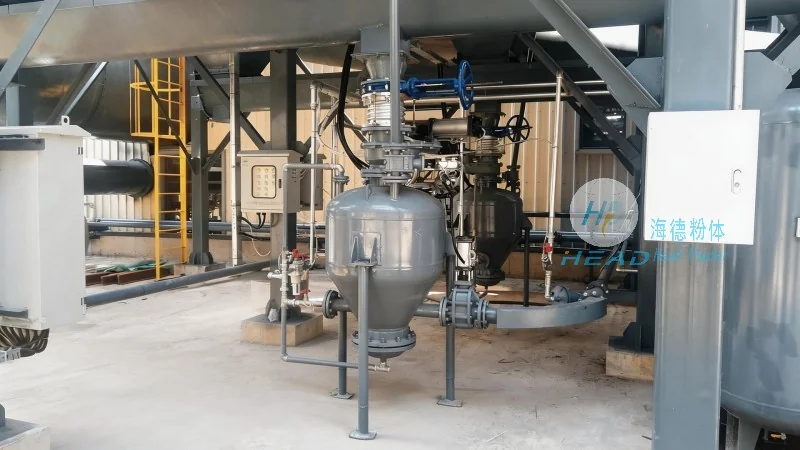
The effectiveness of a dust-free feeding material pneumatic conveying machine relies on the proper functioning of several key components. Each part plays a critical role in the overall operation of the system:
1. Feeding Hopper: The hopper is the starting point of the system, where bulk material is stored before being conveyed. It is designed to feed material into the conveying line at a controlled rate. The hopper may include a vibratory feeder or a rotary valve to regulate the flow of material, ensuring a steady supply to the system.
2. Pneumatic Conveying Line: This is the main component responsible for transporting the material. The line is typically made of flexible or rigid tubing, depending on the application. The air pressure inside the line propels the material forward. The design of the line, including bends and elbows, is optimized to minimize pressure loss and prevent material deposition or blockages.
3. Receiver (Discharge Hopper): The receiver is where the material is deposited after being conveyed. It is usually larger than the hopper and is designed to hold the material until it is transferred to the next processing step. The receiver may include a discharge valve or a rotary valve to control the release of material, ensuring a smooth and controlled flow.
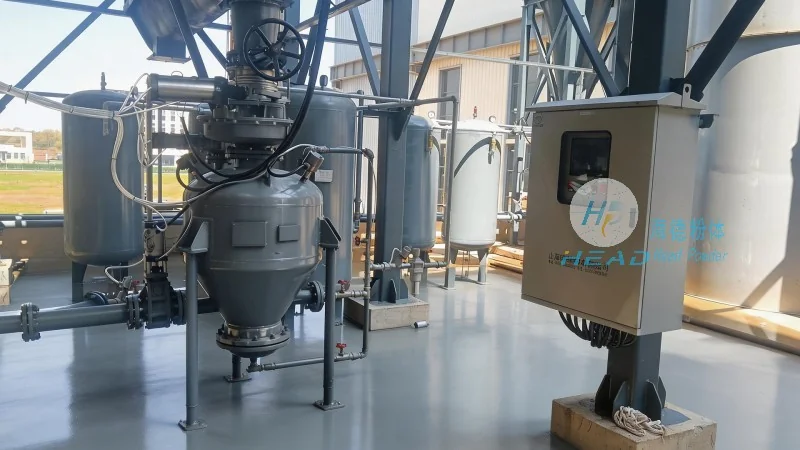
4. Control Unit and Air Compressor: The control unit manages the operation of the system, including the air pressure and flow rate. It may include a regulator to maintain consistent pressure and a filter to remove any moisture or contaminants from the air. The air compressor provides the necessary air pressure to drive the conveying process. The design of the compressor is optimized for energy efficiency and low noise operation, making it suitable for industrial environments.
Benefits of Using a Dust-Free Feeding Material Pneumatic Conveying Machine
Implementing a dust-free feeding material pneumatic conveying machine offers several advantages over traditional conveying methods. These benefits include:
1. Enhanced Product Purity: By eliminating physical contact and maintaining a closed system, the machine prevents contamination from dust or other particles. This is particularly important in industries where product purity is critical, such as pharmaceuticals and food processing.
2. Improved Safety: The enclosed system reduces the risk of dust explosions and respiratory hazards, making it safer for operators and the surrounding environment.
3. Increased Efficiency: The system can transport materials over longer distances and at higher speeds compared to traditional conveyors, reducing processing time and increasing overall productivity.
4. Space Efficiency: The compact design of the pneumatic conveying system allows for installation in areas where traditional conveyors may not fit, making it suitable for facilities with limited space.
5. Reduced Maintenance: The absence of moving parts in the conveying line reduces the need for regular maintenance, resulting in lower operational costs and less downtime.
Applications in Different Industries
The dust-free feeding material pneumatic conveying machine is widely used across various industries due to its versatility and effectiveness. Some common applications include:
1. Pharmaceutical Industry: In pharmaceutical manufacturing, the machine is used to transport active pharmaceutical ingredients (APIs) and excipients with strict purity requirements. The closed system ensures that the materials remain free from contamination, meeting regulatory standards.
2. Food Processing Industry: The machine is used to convey food powders and granules, such as sugar, flour, and spices, in food processing plants. The dust-free design prevents cross-contamination and maintains the quality of the food products.
3. Chemical Manufacturing: In chemical plants, the machine is used to transport various chemicals, including powders and granules, with different properties. The system can handle corrosive or abrasive materials, ensuring the longevity of the equipment.
4. Plastic and Rubber Industry: The machine is used to convey raw materials like plastic pellets and rubber compounds, ensuring a clean and efficient supply to processing equipment.
5. Mineral Processing: In mining and mineral processing facilities, the machine is used to transport minerals and ores from storage to processing units, improving the overall efficiency of the operation.
Conclusion
A dust-free feeding material pneumatic conveying machine is a sophisticated system designed to transport bulk materials with minimal contamination and high efficiency. Its design principles, including airtight construction, positive pressure operation, and material compatibility, ensure that the system meets the stringent requirements of industries where product purity and safety are paramount. The key components, such as the feeding hopper, conveying line, receiver, and control unit, work together to provide a reliable and efficient conveying solution. The benefits of using this technology, including enhanced product purity, improved safety, and increased efficiency, make it an essential investment for many industrial applications. As industries continue to demand higher standards of quality and safety, the dust-free feeding material pneumatic conveying machine remains a critical component in modern manufacturing processes.