

What is a Clay Material Pneumatic Conveying Machine? What Are Its Design Principles?
Clay material pneumatic conveying machines are specialized equipment designed to transport clay and other similar bulk materials through a pipeline using compressed air. These systems are widely used in industries such as ceramics, construction, and chemical processing, where the efficient and dust-free handling of clay is crucial for maintaining product quality and operational safety.
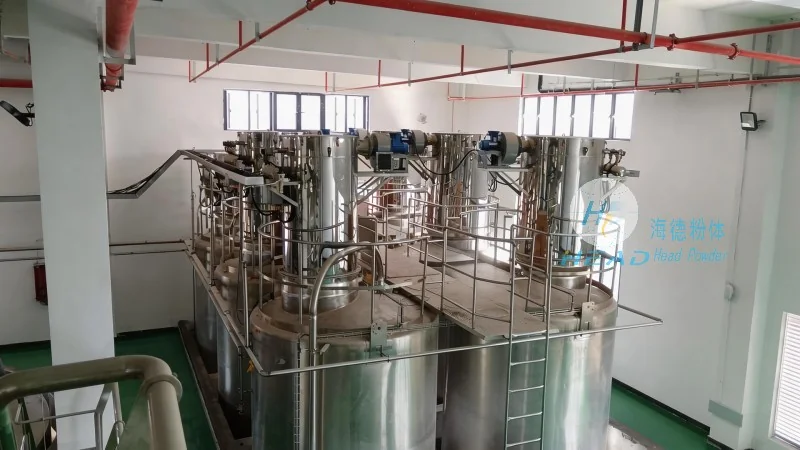
Understanding the Core Function of Pneumatic Conveying Systems for Clay
Pneumatic conveying machines for clay operate by creating a flow of air within a pipeline, which then carries the clay particles from the source to the destination. This method eliminates the need for traditional mechanical conveyors, such as belt or screw conveyors, which can cause contamination or damage to the clay's texture. The air pressure and flow rate are carefully controlled to ensure the clay moves smoothly without clogging or degradation.
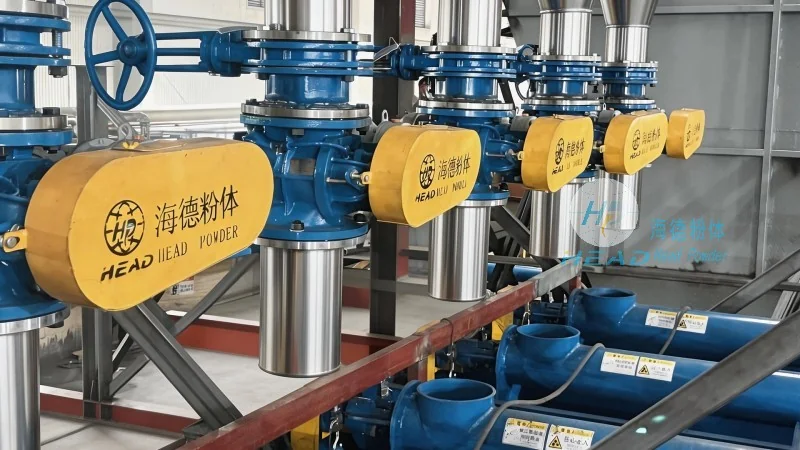
The Design Principles Behind Efficient Clay Pneumatic Conveying
The design of a clay material pneumatic conveying machine involves several key principles to ensure optimal performance. First, the system must be able to handle the specific properties of clay, including its high moisture content and fine particle size. This often requires specialized nozzles and pipelines that prevent particle accumulation and maintain consistent air flow. Second, the air pressure and velocity must be optimized to achieve the desired conveying distance and material throughput. Engineers typically use computational fluid dynamics (CFD) to model the flow and determine the most efficient pressure and velocity settings. Third, the system includes components like air filters and cyclones to separate the clay from the air, ensuring that the material is delivered in a clean and usable state. These design elements work together to create a reliable and effective solution for clay handling.
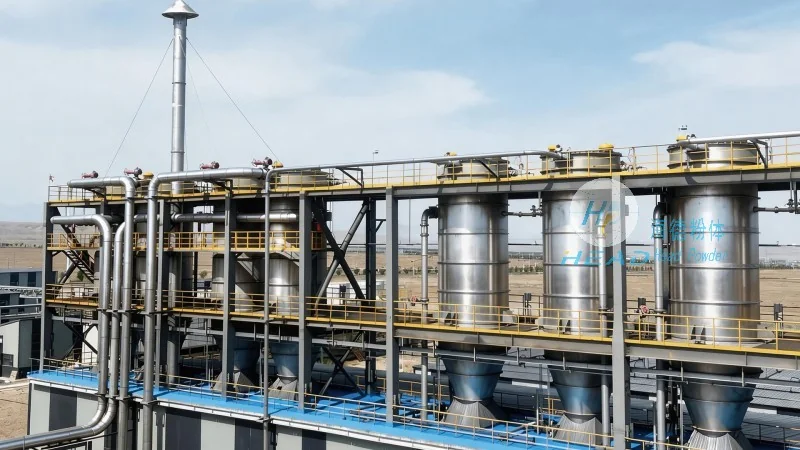
Key Components and Their Roles in a Clay Pneumatic Conveying Machine
A clay material pneumatic conveying machine consists of several essential components, each playing a critical role in the overall operation. The primary components include the material hopper, which holds the clay and feeds it into the system; the air compressor, which generates the necessary compressed air; the conveying pipeline, which transports the clay and air mixture; and the receiving hopper or silo, where the clay is deposited. Additionally, the system may include a dust collector or filter to remove clay particles from the air, preventing contamination and maintaining air quality. Each component is carefully selected and sized to match the specific requirements of the clay being handled, ensuring that the system operates efficiently and reliably.
Applications and Benefits of Using Clay Pneumatic Conveying Machines
Clay material pneumatic conveying machines are used in a variety of applications across different industries. In the ceramics industry, for example, these systems are used to transport raw clay from storage to production lines, ensuring a consistent and clean supply of material. In construction, they are used to move clay for brick and tile manufacturing, where the quality of the clay is critical to the final product. In chemical processing, they are used to handle clay as a raw material or as a filter medium, where the ability to transport the material without contamination is essential. The benefits of using pneumatic conveying systems for clay include improved product quality, reduced labor costs, and enhanced operational safety. By eliminating the need for manual handling and traditional conveyors, these systems also reduce the risk of dust exposure and material damage, leading to a more efficient and sustainable operation.
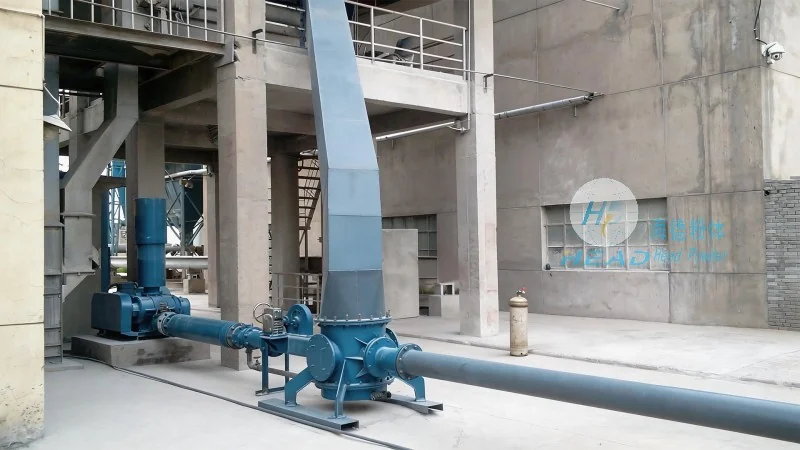
How Shandong HeadPowder Engineering Co., Ltd. Designs and Manufactures Clay Pneumatic Conveying Machines
Shandong HeadPowder Engineering Co., Ltd., a leading manufacturer of material handling equipment, specializes in designing and producing high-quality clay material pneumatic conveying machines. With years of experience in the industry, the company has developed a deep understanding of the unique challenges associated with handling clay and has developed innovative solutions to address them. The company's design team uses advanced engineering techniques, including CFD and material testing, to ensure that each machine is optimized for the specific application and material being handled. The manufacturing process follows strict quality control standards to ensure that every component meets the highest performance and safety requirements. HeadPowder's clay pneumatic conveying machines are known for their reliability, efficiency, and durability, making them a trusted choice for businesses in the ceramics, construction, and chemical industries. The company's commitment to customer satisfaction and technical excellence has earned it a reputation as a leading provider of material handling solutions.