

What is a Pyrolysis Char Material Pneumatic Conveying Line? And What Are Its Design Principles?
Pyrolysis char material pneumatic conveying lines are specialized systems engineered to transport pyrolysis-derived carbon materials through an air-based conveying process. These systems are crucial in industrial applications where efficient and reliable movement of fine or bulk carbonaceous powders is required. The design of such lines involves a combination of mechanical components and pneumatic principles to ensure optimal performance, safety, and material integrity.
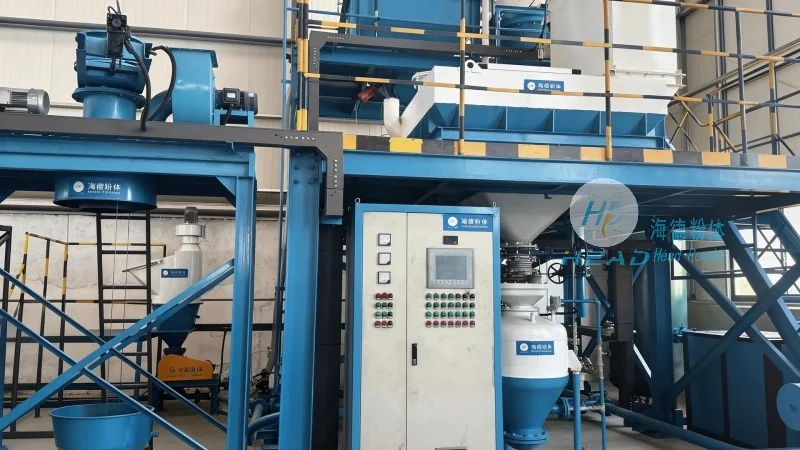
Understanding the Core Components of Pyrolysis Char Pneumatic Conveying Systems
At the heart of a pyrolysis char material pneumatic conveying line are several key components that work in tandem to facilitate material transport. The primary elements include a material feed hopper, a conveying pipeline, a pressure or vacuum source (such as a blower or vacuum pump), and a discharge unit. Each component plays a critical role in the overall operation of the system.
The material feed hopper is responsible for storing and feeding the pyrolysis char into the conveying line. It is typically designed with a hopper shape to minimize material bridging and ensure a consistent flow rate. The hopper may include features like a rotary valve or a gate valve to control the discharge of material into the pipeline. This component is essential for maintaining a steady supply of material to the conveying system.
The conveying pipeline is the main channel through which the pyrolysis char is transported. It is usually made of materials resistant to corrosion and abrasion, such as stainless steel or high-density polyethylene, to withstand the abrasive nature of the carbonaceous material. The pipeline is designed with appropriate bends and elbows to guide the material along the desired path while minimizing pressure losses and ensuring smooth flow.
The pressure or vacuum source provides the necessary force to move the material through the pipeline. In pressure conveying systems, a positive pressure is generated by a blower or compressor, pushing the material forward. In vacuum conveying systems, a vacuum pump creates a negative pressure that draws the material into the pipeline. The choice between pressure and vacuum depends on factors such as the material characteristics, distance to be conveyed, and system layout.
The discharge unit is the final component of the conveying line, responsible for releasing the material from the pipeline. It may include a rotary valve, a cyclone separator, or a dust collector to separate the material from the conveying air and ensure proper discharge. The discharge unit is designed to handle the material efficiently and prevent blockages or spills.
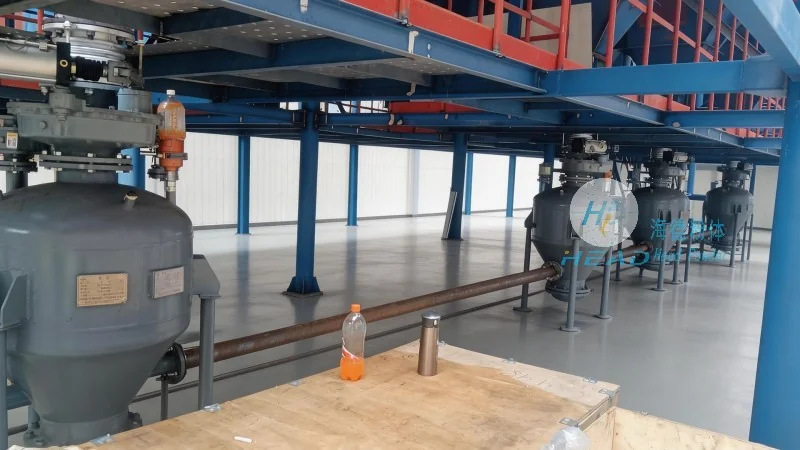
Design Principles for Efficient Pyrolysis Char Pneumatic Conveying
The design of a pyrolysis char material pneumatic conveying line is guided by several key principles aimed at maximizing efficiency, reliability, and safety. These principles include maintaining appropriate air velocity, controlling pressure differentials, and ensuring proper material handling. Each principle is critical to the successful operation of the system and must be carefully considered during the design phase.
One of the fundamental design principles is maintaining an optimal air velocity within the conveying pipeline. The air velocity must be high enough to entrain the pyrolysis char particles and prevent them from settling or clogging the pipeline. However, it should not be excessively high, as this can lead to increased energy consumption and wear on the system components. The optimal air velocity is typically determined based on the particle size, density, and flow rate of the material being conveyed.
Another important design principle is controlling the pressure differentials within the system. In pressure conveying systems, the pressure drop along the pipeline must be minimized to ensure efficient material transport. This is achieved by using smooth pipeline designs, avoiding sharp bends, and maintaining proper air velocity. In vacuum conveying systems, the vacuum level must be sufficient to draw the material into the pipeline but not so high that it causes excessive energy consumption or material degradation.
Material handling is also a critical design consideration. The pyrolysis char material may have specific properties, such as high abrasiveness or low bulk density, which can affect the conveying process. The design must account for these properties to ensure that the system can handle the material without excessive wear or performance issues. For example, the pipeline diameter and material of construction may need to be adjusted based on the abrasiveness of the char.
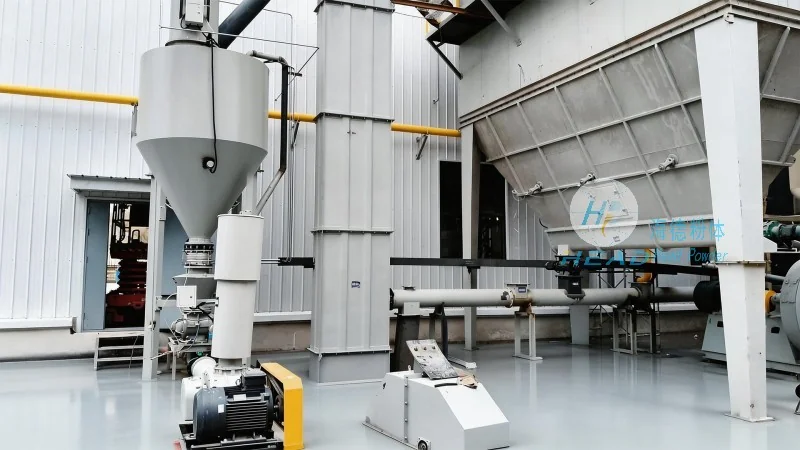
Additionally, safety considerations are integral to the design of pyrolysis char pneumatic conveying lines. The system must be designed to prevent dust explosions, which can occur due to the presence of fine carbon particles. This is typically achieved by incorporating explosion-proof components, such as pressure relief valves and spark arrestors, and ensuring proper ventilation. The design must also consider the potential for material buildup and blockages, which can lead to system failures or safety hazards.
About HeadPowder: A Leading Provider of Pneumatic Conveying Solutions
HeadPowder, a division of Shandong HeadPowder Engineering Co., Ltd., is a professional manufacturer and supplier of pneumatic conveying systems, including pyrolysis char material conveying lines. With years of experience in the industry, HeadPowder has established itself as a trusted provider of high-quality, reliable, and efficient conveying solutions for various industrial applications.
HeadPowder's team of engineers and technicians specializes in designing and manufacturing custom pneumatic conveying systems tailored to the specific needs of clients. The company utilizes advanced technology and materials to ensure that its products meet the highest standards of performance, durability, and safety. HeadPowder's commitment to quality and customer satisfaction has earned it a reputation as a leading provider in the field.
Shandong HeadPowder Engineering Co., Ltd. is located in Shandong, China, and serves clients both domestically and internationally. The company's facilities are equipped with state-of-the-art equipment and testing capabilities, allowing for the development and production of high-quality pneumatic conveying systems. HeadPowder's products are used in a wide range of industries, including chemical, pharmaceutical, food, and mining, where efficient material transport is essential.
HeadPowder's pyrolysis char material pneumatic conveying lines are designed to meet the specific requirements of each application. The company offers a range of models and configurations, from small-scale systems for laboratory use to large-scale systems for industrial production. Each system is customized to ensure optimal performance and reliability, with features such as adjustable air velocity, variable pressure control, and easy maintenance.