

What is a Dry Soybean Material Pneumatic Conveying Line? And What Are Its Design Principles?
For those in the agricultural processing industry, particularly those handling soybeans, understanding the technology behind efficient material handling is crucial. A dry soybean material pneumatic conveying line is a specialized system designed to transport dry soybeans and other similar bulk materials through an enclosed pipeline using air pressure. This article will explore what such a system entails and the underlying design principles that make it effective.
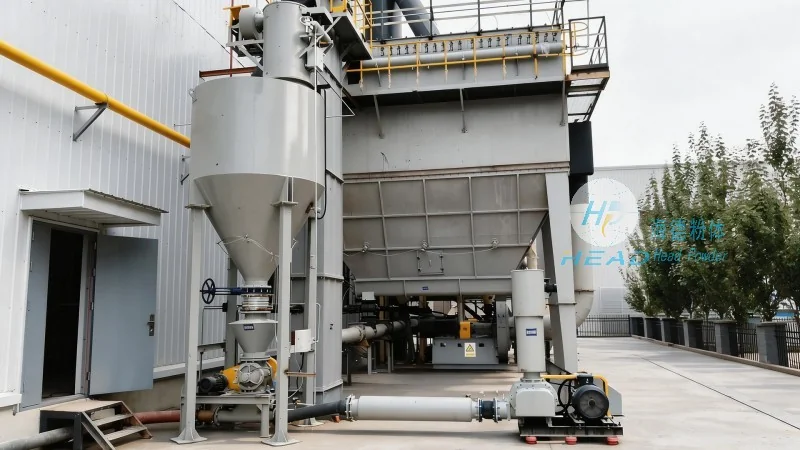
Introduction to Dry Soybean Material Pneumatic Conveying Lines
A dry soybean material pneumatic conveying line, often referred to as a pneumatic conveyor system, is a mechanical device used to move dry soybeans from one location to another within a processing facility. Unlike traditional methods like belt conveyors or bucket elevators, pneumatic conveying uses compressed air to create a flow of material through a pipeline. This method is particularly advantageous for handling dry, free-flowing materials like soybeans, as it minimizes product damage and contamination while providing a clean and efficient transport solution.
Key Components of a Dry Soybean Material Pneumatic Conveying Line
The effectiveness of a dry soybean material pneumatic conveying line depends on several critical components that work in concert to ensure smooth operation. These components include the material feed hopper, the air compressor, the conveying pipeline, the control valves, and the discharge equipment. Each component plays a vital role in the overall system's performance.
The material feed hopper is the starting point of the system, where dry soybeans are loaded and prepared for transport. It typically features a hopper with a discharge valve that regulates the flow of material into the pipeline. The hopper is designed to prevent material buildup and ensure a consistent feed rate, which is essential for maintaining the system's efficiency.
The air compressor is the heart of the pneumatic conveying system, responsible for generating the necessary air pressure to move the soybeans through the pipeline. The compressor's capacity and pressure must be matched to the system's requirements, considering factors such as the material's bulk density, the pipeline length, and the desired conveying speed. Proper selection of the air compressor is crucial to avoid underperformance or excessive energy consumption.
The conveying pipeline is the main channel through which the soybeans travel. It is usually made of durable materials like stainless steel or plastic, chosen for their resistance to corrosion and wear from the dry soybeans. The pipeline is designed with smooth, rounded bends and transitions to minimize friction and pressure losses, ensuring that the material moves efficiently without excessive energy use.
The control valves are used to regulate the flow of air and material within the system. These valves can be manual or automated, allowing operators to adjust the conveying rate and pressure as needed. Proper control of the valves is essential for maintaining system stability and preventing issues like blockages or excessive pressure buildup.
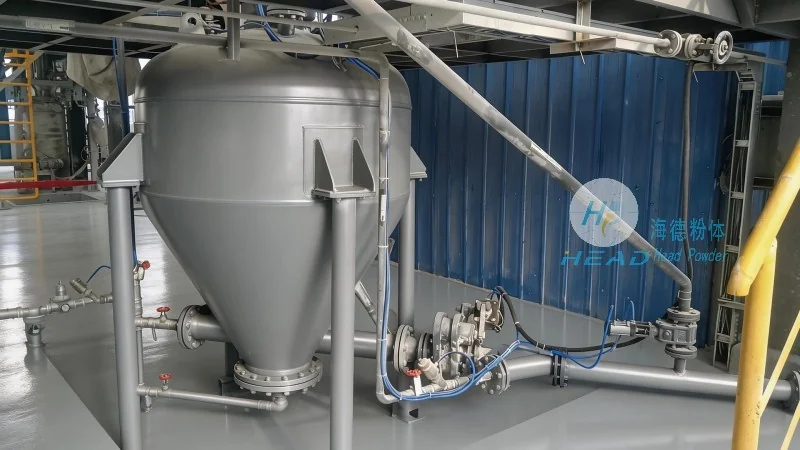
The discharge equipment is the final component of the system, where the soybeans are released from the pipeline. This can include a discharge hopper or a valve that controls the release of material into the next processing stage. The discharge equipment is designed to handle the material's bulk density and flow characteristics, ensuring a smooth and controlled release.
Design Principles Behind Dry Soybean Material Pneumatic Conveying Lines
The design of a dry soybean material pneumatic conveying line is guided by several fundamental principles that ensure optimal performance and efficiency. These principles include maintaining a consistent air-to-material ratio, managing pressure differentials, and ensuring proper system sizing.
One of the primary design principles is maintaining an appropriate air-to-material ratio. This ratio is the amount of air volume per unit of material being conveyed. The optimal ratio varies depending on the material's properties, such as its bulk density and flowability. A higher air-to-material ratio may be required for lighter or more aerated materials, while a lower ratio is suitable for denser materials like dry soybeans. Achieving the correct ratio is critical to prevent material deposition or blockages in the pipeline.
Another key design principle is managing the pressure differentials within the system. Pneumatic conveying systems operate on the principle of creating a pressure difference between the inlet and outlet of the pipeline. The pressure at the inlet (where the material is fed) is typically higher than the pressure at the outlet (where the material is discharged). The design must ensure that the pressure difference is sufficient to overcome the resistance to flow caused by the material's friction with the pipeline walls and any bends or fittings. Proper sizing of the pipeline diameter and length is essential to maintain the required pressure differential without excessive energy consumption.
System sizing is also a critical design consideration. The conveying line's capacity is determined by factors such as the material's flow rate, the pipeline length, and the available air pressure. The design must ensure that the system can handle the required throughput without causing bottlenecks or excessive pressure drops. This involves calculating the necessary air compressor capacity, pipeline diameter, and control valve settings to match the processing requirements.
Benefits of Using a Dry Soybean Material Pneumatic Conveying Line
Implementing a dry soybean material pneumatic conveying line offers several advantages over traditional material handling methods. These benefits include improved product quality, reduced labor costs, and enhanced operational efficiency.
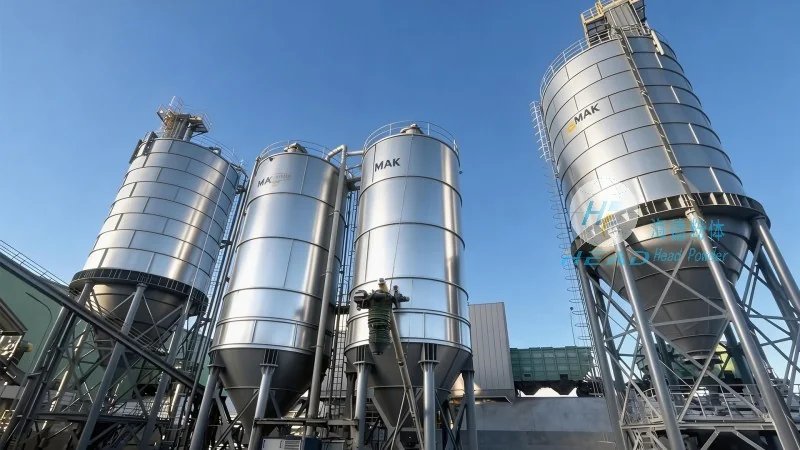
Firstly, pneumatic conveying minimizes product damage and contamination. Unlike mechanical conveyors that may cause abrasion or impact damage to the soybeans, pneumatic systems use air to gently move the material, preserving its quality and integrity. This is particularly important for dry soybeans, which are often used in food processing applications where product quality is paramount.
Secondly, pneumatic conveying reduces labor costs by automating the material handling process. Manual loading and unloading of soybeans can be labor-intensive and time-consuming. A pneumatic conveying line can operate continuously with minimal human intervention, reducing the need for manual labor and associated costs.
Thirdly, the system enhances operational efficiency by providing a clean and efficient transport solution. Pneumatic conveying systems are enclosed, which prevents dust and other contaminants from entering the processing environment. This improves workplace safety and maintains a clean production environment. Additionally, the system's ability to transport materials over long distances without the need for multiple transfer points reduces downtime and increases overall productivity.
Applications of Dry Soybean Material Pneumatic Conveying Lines
Dry soybean material pneumatic conveying lines are widely used in various applications within the agricultural and food processing industries. These systems are commonly employed in soybean processing plants, where they are used to transport dry soybeans from storage silos to processing equipment such as hullers, decorticators, or extruders.
In addition to soybean processing, pneumatic conveying systems are also used in other industries that handle dry bulk materials, such as grain handling, chemical processing, and pharmaceutical manufacturing. The versatility of the system makes it suitable for a wide range of applications, as long as the material properties are compatible with pneumatic transport.
Conclusion
A dry soybean material pneumatic conveying line is a sophisticated and efficient system designed to transport dry soybeans and other bulk materials through an enclosed pipeline using air pressure. The design of such a system is based on several key principles, including maintaining an appropriate air-to-material ratio, managing pressure differentials, and ensuring proper system sizing. The benefits of using a pneumatic conveying line include improved product quality, reduced labor costs, and enhanced operational efficiency. As a result, these systems are widely adopted in the agricultural processing industry, particularly for handling dry soybeans.