

What is a Clay Sand Material Pneumatic Conveying System? What Are Its Design Principles?
Clay sand material pneumatic conveying systems are specialized industrial equipment designed to transport clay sand and similar bulk materials through a pipeline using air as the conveying medium. These systems are widely used in various industries, including foundries, construction, and chemical processing, where efficient and dust-free material handling is crucial. Understanding the fundamental principles behind these systems and their design is essential for optimizing performance and ensuring reliable operation.
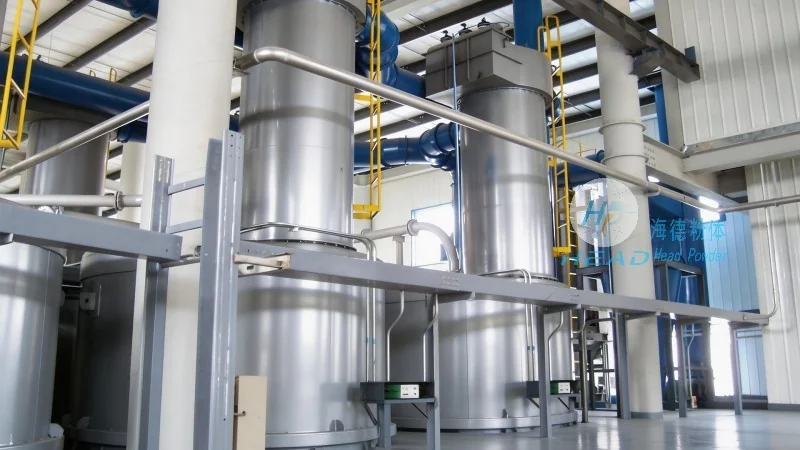
Understanding the Basics of Clay Sand Pneumatic Conveying
At its core, a pneumatic conveying system operates by creating a flow of air within a pipeline, which then transports the solid material particles. The key components of such a system typically include a material feeder, a conveying pipeline, a separation or collection unit, and a dust collection system. For clay sand, which often has fine particles and can be prone to caking or agglomeration, the design must address these specific material characteristics to prevent blockages and ensure consistent flow.
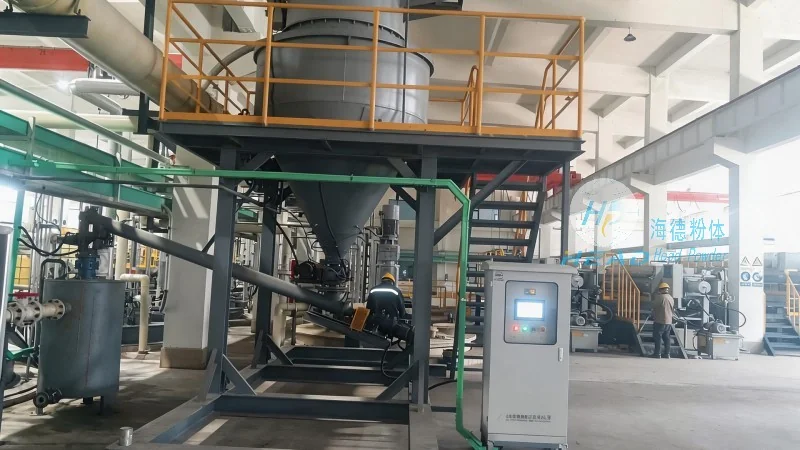
Design Principles for Efficient Clay Sand Conveying
The design of a clay sand pneumatic conveying system involves several critical principles aimed at maintaining optimal performance. First, the system must ensure sufficient air velocity to overcome the drag forces acting on the particles and prevent settling or deposition within the pipeline. This is typically achieved by calculating the appropriate air volume and pressure based on the material's density, particle size distribution, and flow rate requirements. Second, the system must incorporate appropriate feeding mechanisms, such as rotary valves or screw feeders, that can handle the cohesive nature of clay sand without causing excessive wear or material degradation. Third, the design must include effective separation and filtration components to remove dust and fine particles from the air stream, protecting downstream equipment and maintaining air quality. Additionally, the pipeline layout and bends must be carefully engineered to minimize pressure losses and avoid areas where particles can accumulate or cause blockages.
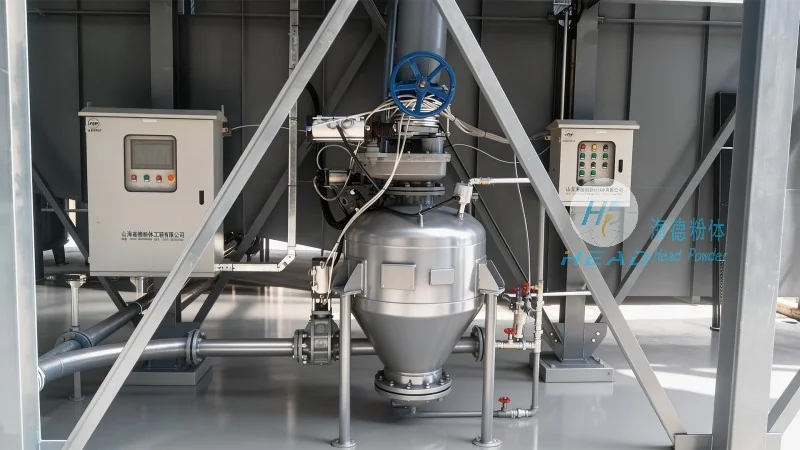
HeadPowder's Expertise in Clay Sand Pneumatic Conveying Systems
Shandong HeadPowder Engineering Co., Ltd., a leading manufacturer in the field, specializes in designing and manufacturing high-quality clay sand pneumatic conveying systems tailored to the unique needs of clients. The company's systems are engineered based on decades of experience and advanced engineering principles, ensuring reliability, efficiency, and durability. HeadPowder's products typically include customized solutions that address the specific challenges of clay sand, such as its tendency to stick to equipment or form clumps. The company's design approach focuses on optimizing air flow, material handling, and system integration to provide clients with solutions that meet their operational requirements while minimizing maintenance and downtime.
Key Components and Features of HeadPowder's Systems
HeadPowder's clay sand pneumatic conveying systems are built with a range of components that work together to ensure smooth and efficient operation. These components include high-capacity material feeders capable of handling the bulk density and flow characteristics of clay sand, robust conveying pipelines designed to withstand the abrasive nature of the material, and advanced separation and filtration units that effectively capture dust and fine particles. The systems may also incorporate features such as variable speed drives, which allow for precise control of the air flow and material feed rate, and pressure sensors that monitor system performance and alert operators to potential issues. Additionally, the company's systems are designed with modular components, enabling easy maintenance and replacement of parts, and are constructed from materials resistant to corrosion and wear, ensuring long-term performance in demanding industrial environments.
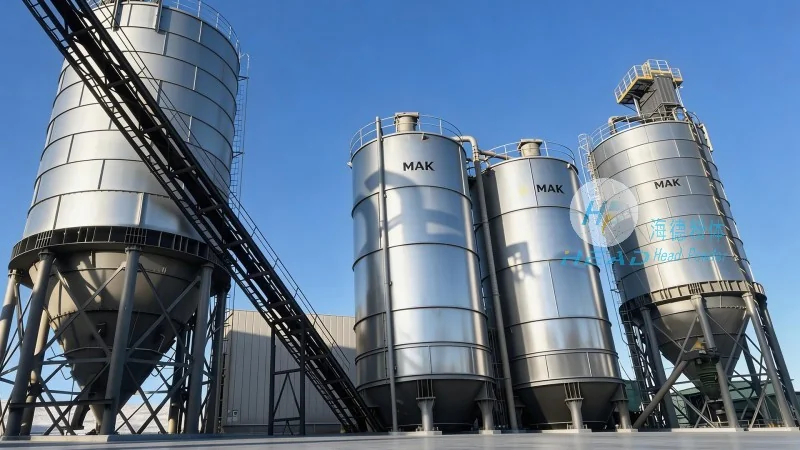
Applications and Benefits of Clay Sand Pneumatic Conveying
The use of pneumatic conveying systems for clay sand offers several advantages over traditional methods, such as belt conveyors or bucket elevators. These systems provide a dust-free and enclosed handling process, which improves workplace safety and reduces environmental impact. Additionally, pneumatic conveying can handle materials with high moisture content or fine particle sizes, which are often difficult to transport using other methods. The systems also offer flexibility in terms of layout, as they can be installed in various configurations to suit the space constraints of a facility. Overall, clay sand pneumatic conveying systems provide a reliable and efficient solution for material handling, helping to improve productivity and reduce operational costs for businesses in the foundry, construction, and chemical industries.