

What is Cassava Material Pneumatic Conveying Equipment? And What Are Its Design Principles?
Cassava, also known as manioc or yuca, is a vital crop in many tropical and subtropical regions, serving as a primary source of starch and a key ingredient in various food products. The efficient handling and transportation of cassava materials are crucial for the entire processing chain, from raw material collection to final product packaging. Pneumatic conveying equipment has emerged as a highly effective solution for moving these materials, offering advantages such as reduced contamination, improved hygiene, and enhanced operational flexibility. This article aims to explore the concept of cassava material pneumatic conveying equipment and delve into the underlying design principles that make these systems efficient and reliable.
Pneumatic Conveying: An Overview
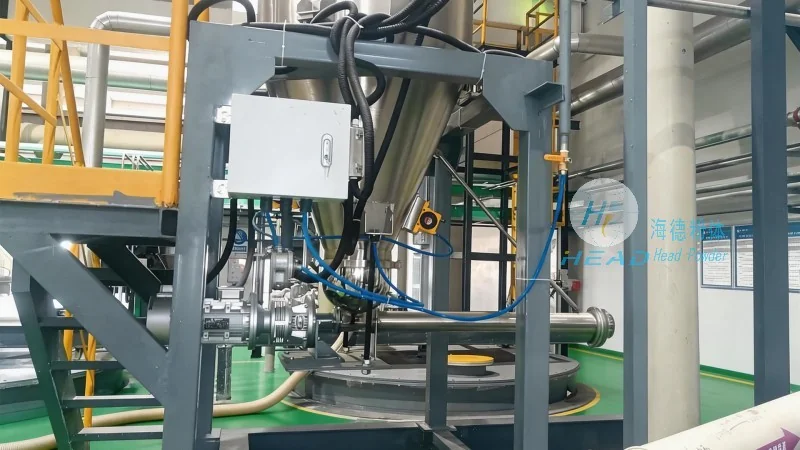
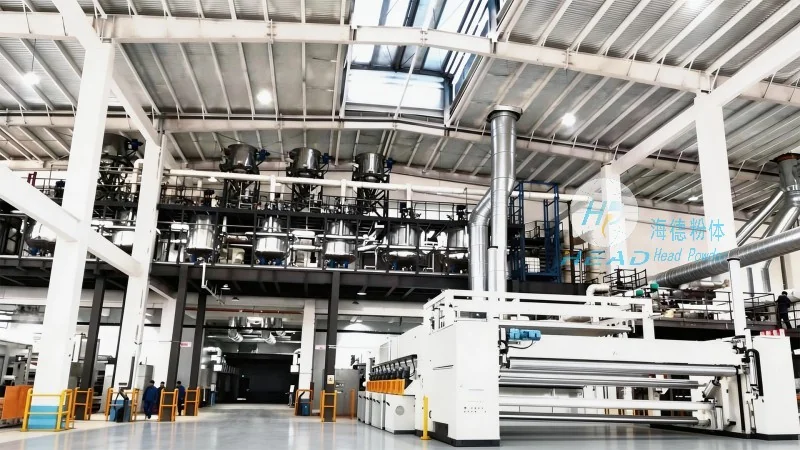
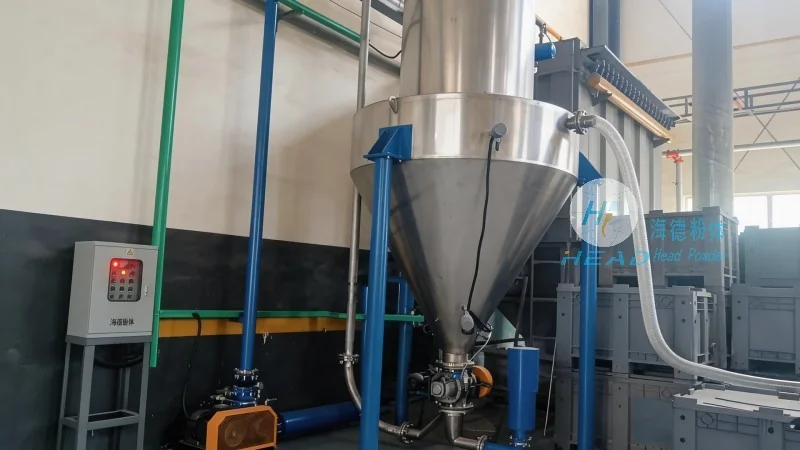
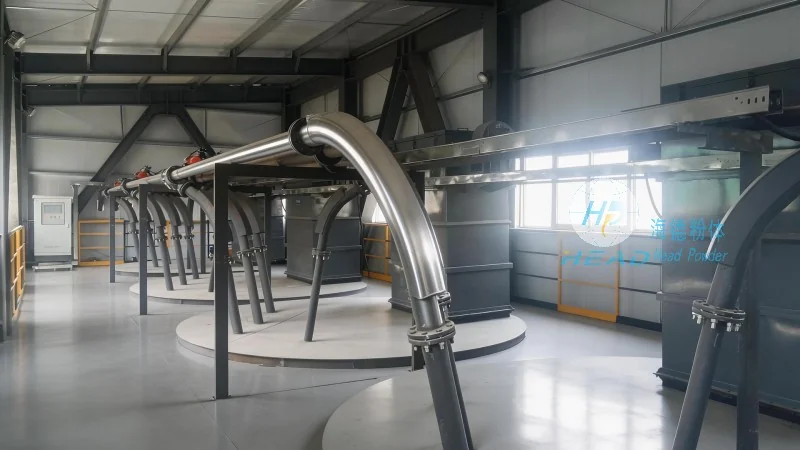
Pneumatic conveying is a method of transporting bulk materials through a pipeline using a stream of air or gas. Unlike traditional mechanical conveying systems like belt conveyors or screw conveyors, pneumatic systems rely on the force of air to move materials, which can be particularly beneficial for delicate or sensitive products like cassava. The core components of a pneumatic conveying system typically include a material feed hopper, a conveyor line (often with multiple sections), a control valve system, and a dust collection or separation unit. The system operates by introducing air into the pipeline, creating a pressure differential that propels the material forward. This approach minimizes physical contact with the material, reducing the risk of breakage or contamination, which is especially important for cassava, a crop that is often processed into flour or starch.
Key Design Principles for Cassava Material Pneumatic Conveying
The design of a cassava material pneumatic conveying system must consider several critical factors to ensure optimal performance and longevity. These principles are tailored to the unique characteristics of cassava, including its size, moisture content, and potential for dust generation. First, the system must be designed to handle the specific flow properties of cassava. Cassava pieces vary in size, and the conveying system must be capable of transporting both large chunks and fine particles without clogging or causing excessive wear on components. This often involves selecting appropriate pipeline diameters and using smooth, corrosion-resistant materials for the conveyor line, such as stainless steel or specialized plastic composites.