

What is a Cereal Dregs Material Pneumatic Conveying Equipment? What Are Its Design Principles?
For industries dealing with cereal dregs, efficient material handling is crucial. A key solution in this field is the cereal dregs material pneumatic conveying equipment, which offers a reliable method for transporting these materials. This article explores the concept of such equipment and delves into its design principles, providing insights into how it operates and its practical applications.
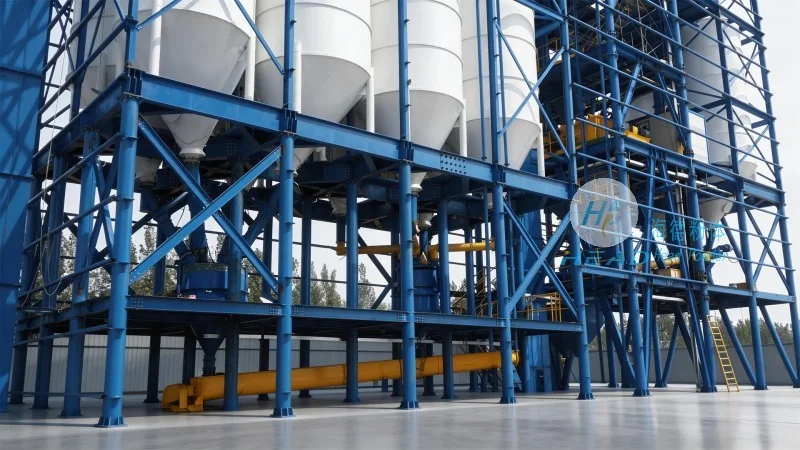
Introduction to Cereal Dregs Material Pneumatic Conveying Equipment
Cereal dregs, also known as bran or bran particles, are byproducts from the milling process of grains like wheat, barley, or oats. These materials are often used in animal feed, biofuel production, or as ingredients in other industrial applications. Handling these dregs efficiently requires specialized equipment that can manage their bulk and abrasive nature. The cereal dregs material pneumatic conveying equipment addresses these challenges by using air to transport the material through a pipeline system.
About Shandong HeadPowder Engineering Co., Ltd.
Shandong HeadPowder Engineering Co., Ltd., based in Shandong, China, is a leading manufacturer in the field of material handling equipment. The company specializes in designing and producing pneumatic conveying systems tailored to various industrial needs, including those for cereal dregs processing. With years of experience and a commitment to quality, HeadPowder provides robust solutions that enhance operational efficiency and safety in material transport processes.
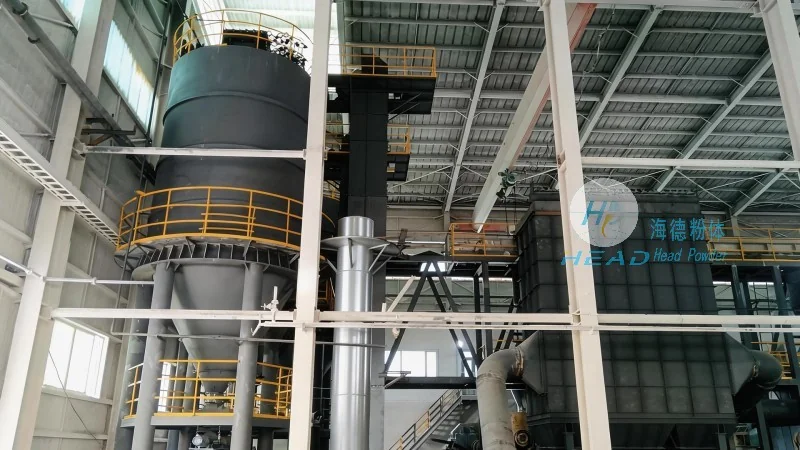
How Pneumatic Conveying Works
The core principle of pneumatic conveying is the use of air pressure to move solid materials through a pipeline. In the case of cereal dregs, the equipment typically operates by creating a flow of air that pulls or pushes the material along the conveying line. There are two main types of pneumatic conveying systems: pressure and vacuum. Pressure systems use compressed air to push the material, while vacuum systems use a vacuum to draw the material. For cereal dregs, which can be abrasive and have varying particle sizes, a well-designed system is essential to prevent blockages and ensure consistent flow.
Design Principles of Cereal Dregs Pneumatic Conveying Equipment
The design of cereal dregs material pneumatic conveying equipment involves several critical considerations to ensure optimal performance. First, the material's properties, such as particle size, density, and moisture content, are analyzed to determine the appropriate conveying velocity and air pressure. This helps in selecting the right type of equipment, whether it's a positive displacement blower or a rotary lobe pump, which are commonly used in such systems. Second, the system's layout is designed to minimize pressure losses and ensure smooth material flow. This includes selecting appropriate pipe diameters, bends, and fittings that are resistant to abrasion from the cereal dregs. Third, the equipment incorporates features like filters and cyclones to separate the material from the air, preventing contamination and ensuring the material reaches its destination in a clean state. Additionally, safety features such as pressure relief valves and explosion-proof designs are integrated to protect both the equipment and the operators.
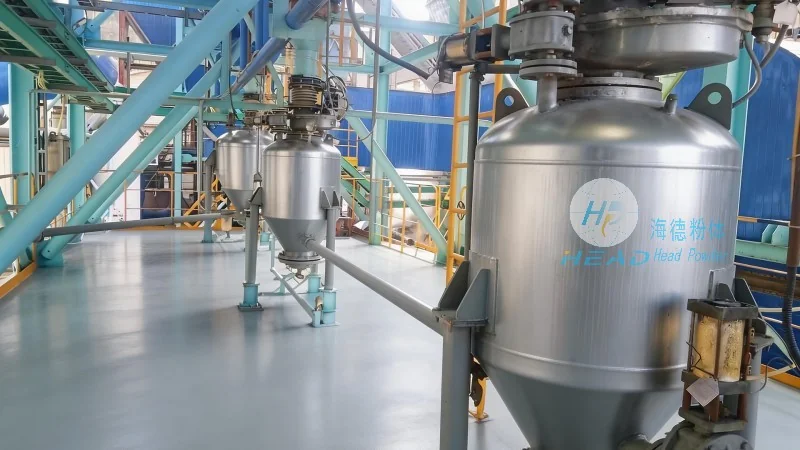
Key Components and Their Functions
A typical cereal dregs material pneumatic conveying system consists of several key components, each playing a vital role in the overall operation. The feed hopper is where the cereal dregs are loaded, and it often includes a feeder mechanism to control the flow rate. The blower or vacuum pump provides the necessary air pressure or vacuum to move the material. The conveying line, made of durable materials like stainless steel or high-density polyethylene, transports the material from the feed point to the discharge point. The discharge hopper collects the material at the end of the line. Additionally, the system may include a filter or cyclone to separate the material from the air, and a dust collection system to maintain air quality and comply with environmental regulations. Each component is carefully selected and designed to withstand the abrasive nature of cereal dregs and ensure long-term reliability.
Advantages of Using Pneumatic Conveying for Cereal Dregs
Implementing a cereal dregs material pneumatic conveying system offers several advantages over traditional methods like belt conveyors or bucket elevators. First, it provides a dust-free and enclosed transport process, which improves workplace safety and reduces the risk of fire or explosion in environments where cereal dregs are processed. Second, pneumatic conveying systems can handle materials with a wide range of particle sizes and moisture contents, making them versatile for different applications. Third, the equipment is compact and can be installed in various layouts, saving space in industrial facilities. Fourth, it offers better control over the material flow rate, allowing for precise dosing and reducing material waste. Finally, the system is relatively easy to maintain and clean, as the enclosed design prevents material buildup and contamination.
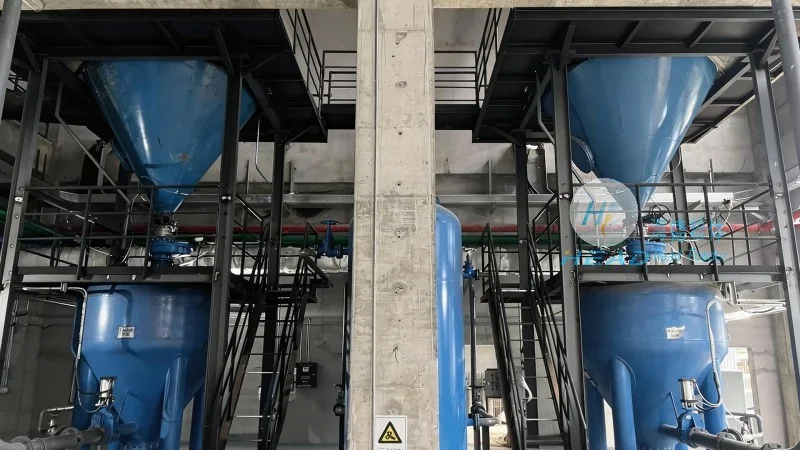
Applications in the Cereal Processing Industry
Cereal dregs material pneumatic conveying equipment is widely used in various stages of cereal processing. In the milling industry, it is used to transport bran from the grinding process to storage silos or processing units. In animal feed production, it helps in moving the dregs to mixing and pelletizing equipment. In biofuel production, the equipment is used to convey the dregs to reactors or drying systems. Additionally, it can be used in the production of food supplements or other value-added products derived from cereal dregs. The versatility of the system makes it suitable for a range of applications, from small-scale operations to large industrial plants.
Conclusion
Cereal dregs material pneumatic conveying equipment is a vital tool for industries dealing with these byproducts. By understanding its design principles and how it operates, businesses can select and implement the right system to enhance their material handling processes. With the expertise of companies like Shandong HeadPowder Engineering Co., Ltd., industries can benefit from efficient, reliable, and safe pneumatic conveying solutions that improve productivity and reduce operational costs. As the demand for efficient material handling in the cereal processing industry continues to grow, the role of pneumatic conveying equipment will remain significant in ensuring smooth and effective operations.