

What is a Powder Pneumatic Conveying System? And What Are Its Design Principles?
For industries dealing with powdered materials, especially in the dairy sector, the efficiency and reliability of material handling systems are paramount. A powder pneumatic conveying system represents a sophisticated solution that uses compressed air or other gases to transport bulk powders like milk powder, whey powder, and other dairy products. This method offers advantages such as reduced contamination, improved hygiene, and the ability to handle materials in a closed system, which is critical for maintaining product quality and safety standards. Understanding the fundamentals of such systems and their design principles is essential for optimizing operations and ensuring consistent performance.
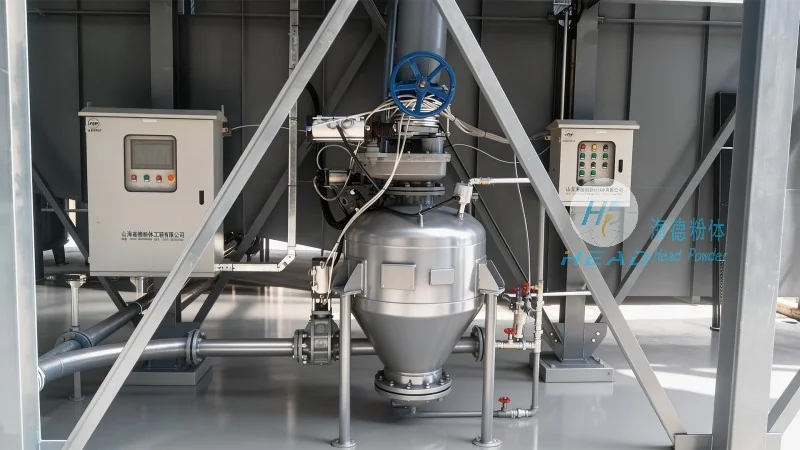
What is a Powder Pneumatic Conveying System?
A powder pneumatic conveying system is a mechanical system designed to transport bulk dry powders through a pipeline using the force of a gas, typically air or nitrogen. Unlike traditional mechanical conveyors that rely on physical contact and friction, pneumatic systems utilize the kinetic energy of the gas to move the powder particles. The system typically consists of a hopper for material storage, a blower or compressor to generate the air flow, a pipeline network, and a receiver or discharge point. The process involves feeding the powder into the system, where it is entrained by the moving gas and transported to the destination. This method is widely adopted in the food and pharmaceutical industries due to its ability to maintain product integrity and prevent cross-contamination.
Core Design Principles of Pneumatic Conveying Systems
The design of a powder pneumatic conveying system is governed by several key principles that ensure efficient and reliable operation. The first principle is the selection of the appropriate conveying method, which can be classified into two main types: dilute-phase and dense-phase. Dilute-phase systems use high air velocities to transport particles in a dispersed state, suitable for short-distance and low-concentration applications. Dense-phase systems, on the other hand, use lower air velocities and higher particle concentrations, ideal for longer distances and more viscous powders. The choice between these methods depends on factors such as the powder's physical properties, the required conveying distance, and the desired system efficiency.
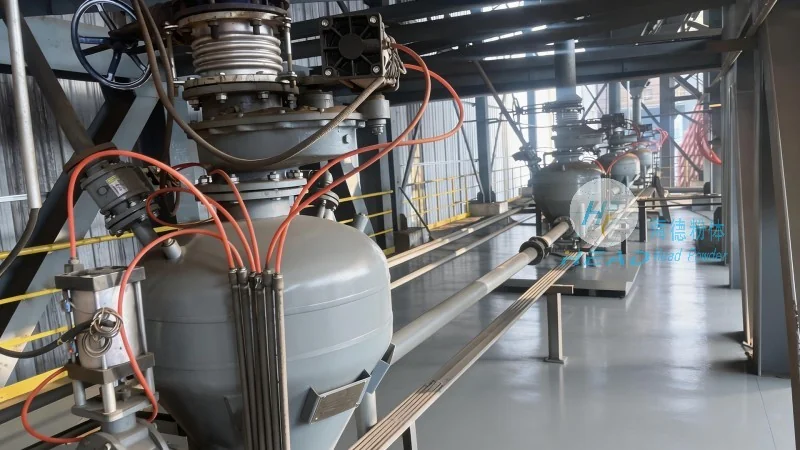
Another critical design principle is the calculation of air velocity and pressure. The air velocity must be sufficient to entrain the powder particles without causing excessive wear on the system components. Typically, air velocities range from 20 to 100 meters per second for dilute-phase systems, while dense-phase systems operate at lower velocities (5 to 20 meters per second). The pressure required is determined by the system's length, elevation changes, and the resistance offered by the pipeline and fittings. Proper pressure and velocity calculations are essential to prevent particle deposition or blockages in the pipeline.
Key Technical Elements in System Design
Several technical elements are integral to the effective design of a powder pneumatic conveying system. The hopper design is crucial as it must provide a consistent feed rate and prevent material bridging or segregation. The hopper's geometry, such as the angle of the walls and the size of the outlet, is tailored to the powder's flow characteristics. For cohesive powders like some dairy products, a hopper with a larger outlet and a smooth interior surface is recommended to facilitate smooth discharge.
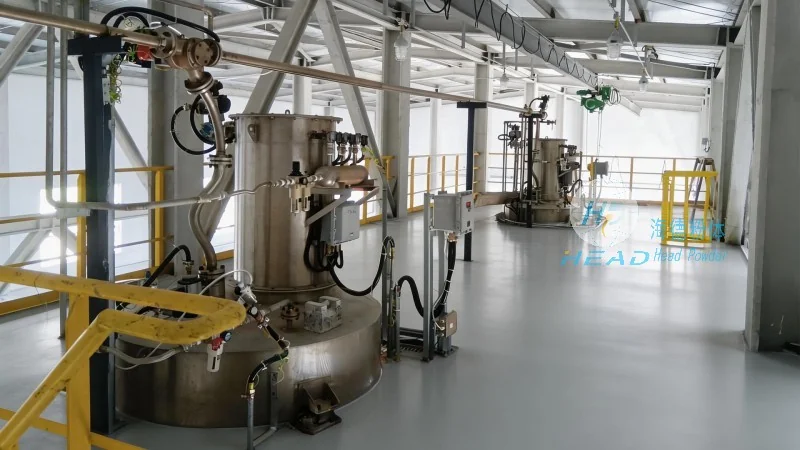
The blower or compressor is the heart of the system, responsible for generating the necessary air flow. The type of equipment selected depends on the system's requirements, including the required pressure, flow rate, and the nature of the powder. Centrifugal blowers are commonly used for dilute-phase systems due to their high flow rates and efficiency, while positive displacement blowers are preferred for dense-phase applications where higher pressure is needed. The selection of the blower also considers factors like noise levels and maintenance requirements.
The pipeline network is another critical component, as it must be designed to withstand the pressure and temperature conditions of the system. The material of the pipeline, such as stainless steel or plastic, is chosen based on the powder's compatibility and the need for hygiene. The pipeline's diameter and length are optimized to minimize pressure drop and energy consumption. Fittings like elbows, tees, and valves are strategically placed to control the flow direction and pressure, ensuring smooth and efficient material transport.
HeadPowder's Expertise in Pneumatic Conveying Solutions
Shandong HeadPowder Engineering Co., Ltd., commonly known as HeadPowder, is a leading provider of customized powder handling solutions, including pneumatic conveying systems tailored for the dairy industry. With a strong focus on innovation and adherence to industry standards, HeadPowder designs and manufactures systems that meet the specific needs of its clients. The company's expertise lies in understanding the unique challenges of handling dairy powders, such as their hygroscopic nature and susceptibility to contamination. By leveraging advanced engineering principles and years of experience, HeadPowder develops systems that ensure high efficiency, low maintenance, and consistent product quality.
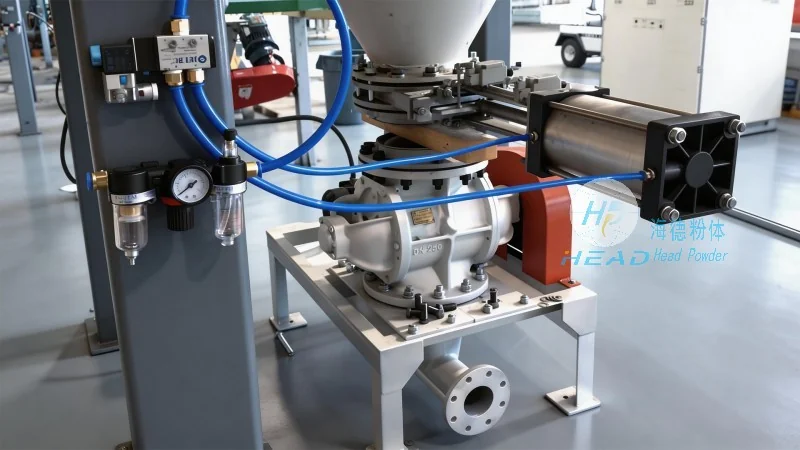
HeadPowder's approach to system design involves a comprehensive analysis of the client's requirements, including the type of powder, production volume, and operational environment. The company works closely with clients to understand their specific challenges and develop tailored solutions. For example, in the design of a pneumatic conveying system for a milk powder plant, HeadPowder considers factors such as the plant's layout, the distance between the storage and processing areas, and the need for a closed system to maintain hygiene standards. The result is a system that not only meets the technical specifications but also enhances the overall operational efficiency of the facility.
HeadPowder's commitment to quality is evident in its use of high-quality materials and rigorous testing procedures. All components, from the hopper to the blower and pipeline, are manufactured to meet international standards, ensuring durability and reliability. The company also provides comprehensive after-sales support, including maintenance services and technical assistance, to ensure that the systems operate at peak performance throughout their lifecycle. By combining technical expertise with a customer-centric approach, HeadPowder has established itself as a trusted partner in the design and implementation of pneumatic conveying systems for the dairy industry.