

What is a Soda Ash Pneumatic Conveying System? What Are Its Design Principles?
For industrial operations dealing with soda ash, the choice of material handling system is critical to efficiency, safety, and overall process reliability. A soda ash pneumatic conveying system represents a sophisticated solution designed to transport this chemical efficiently and safely. This article explores the fundamental aspects of such systems, focusing on their design principles and the technology behind them.
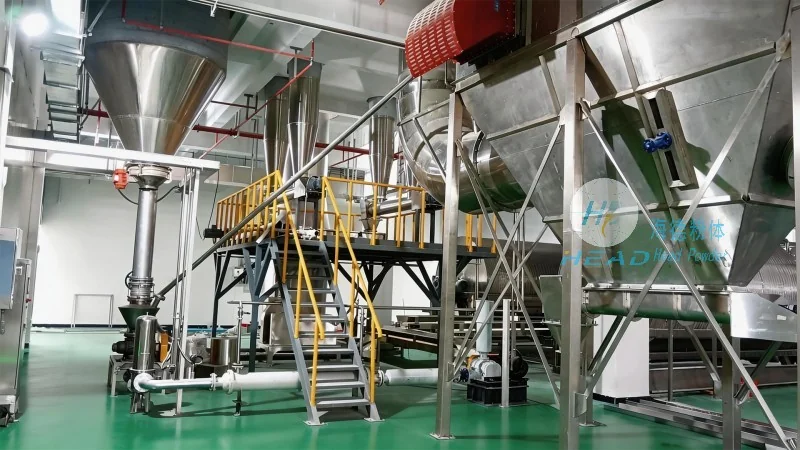
Introduction to Soda Ash Pneumatic Conveying Systems
Soda ash, also known as sodium carbonate, is a widely used chemical in various industries, including glass manufacturing, water treatment, and chemical production. Traditional methods of transporting soda ash, such as belt conveyors or bucket elevators, often face challenges like material degradation, dust generation, and operational inefficiencies. Pneumatic conveying systems offer a more advanced alternative, utilizing air to move the material through a sealed pipeline. This approach not only enhances safety by containing dust and preventing exposure but also improves process control and reduces maintenance costs.
About HeadPowder: A Leader in Engineering Solutions
HeadPowder, or Shandong HeadPowder Engineering Co., Ltd., is a prominent engineering firm based in Shandong, China. With a strong commitment to innovation and quality, the company specializes in the design, manufacturing, and installation of pneumatic conveying systems tailored to the needs of the chemical and industrial sectors. HeadPowder’s expertise lies in creating customized solutions that optimize material handling processes, ensuring durability, and meeting stringent safety standards. The company’s roots in Shandong, China, reflect its deep integration into the regional industrial landscape, where it has built a reputation for reliability and customer-centric service.
How Pneumatic Conveying Systems Work
The core of a soda ash pneumatic conveying system is the ability to transport bulk material using air pressure. There are primarily two types of pneumatic conveying systems: pressure and vacuum. Pressure systems use compressed air to push the material through the pipeline, while vacuum systems use a vacuum to draw the material in. For soda ash, which is often handled in large quantities and requires gentle handling to prevent clumping or degradation, a combination of both or a specialized design may be employed.
In a typical pressure system, the soda ash is fed into a hopper equipped with a feeder that controls the flow rate. Compressed air is then introduced into the hopper, creating a pressure differential that propels the material into the pipeline. The pipeline is designed with bends, valves, and filters to ensure smooth flow and prevent blockages. The system may include a receiver at the end to collect the material, which is then discharged into a storage or processing unit. Vacuum systems operate similarly but use a vacuum pump to create the suction force, drawing the material from a source and moving it through the pipeline.
Key Design Principles for Optimal Performance
The design of a soda ash pneumatic conveying system involves several critical principles aimed at maximizing efficiency, safety, and longevity. First, the system must be tailored to the specific characteristics of the soda ash, including its particle size, density, and flowability. This ensures that the material moves smoothly without causing blockages or excessive wear on the equipment. For example, if the soda ash particles are fine and prone to clumping, the system may incorporate features like agitators or vibrators to maintain a consistent flow.
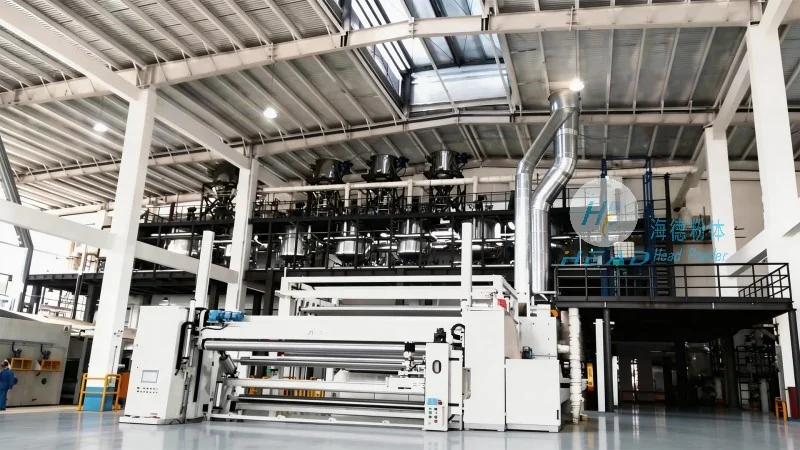
Second, the system must adhere to strict safety standards to prevent dust explosions and exposure to the material. This includes the use of explosion-proof components, dust collection systems, and proper ventilation. The pipeline and equipment are typically made of materials resistant to corrosion and chemical reactions, such as stainless steel or specialized alloys, to ensure long-term durability. Additionally, the system is designed with pressure relief valves and emergency shut-off mechanisms to handle unexpected situations and protect personnel and equipment.
Third, the system must be energy-efficient and cost-effective. This involves optimizing the air pressure and flow rate to minimize energy consumption while maintaining the required material throughput. The use of high-efficiency fans and compressors, along with proper system sizing, helps reduce operational costs. Furthermore, the design considers maintenance and serviceability, with easy access to components for cleaning, repair, and replacement, ensuring minimal downtime.
Components and Their Roles in the System
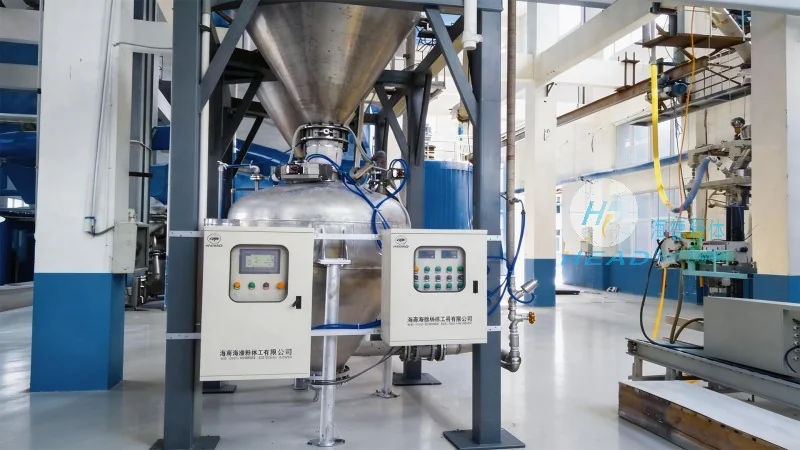
A soda ash pneumatic conveying system consists of several key components, each playing a vital role in the overall operation. The primary components include the hopper, feeder, air compressor or vacuum pump, pipeline system, filters, and receiver. The hopper serves as the storage and feeding unit, where the soda ash is loaded and controlled before being conveyed. The feeder, often a rotary valve or screw feeder, regulates the material flow into the pipeline, preventing overloading and ensuring consistent delivery.
The air compressor or vacuum pump provides the necessary pressure or suction to move the material. The choice between a pressure or vacuum system depends on the application and the distance the material needs to be transported. The pipeline system is made of durable materials, such as stainless steel or plastic, and is designed with appropriate bends and fittings to maintain the flow. Filters are installed at strategic points to remove dust and debris from the air, protecting the equipment and ensuring clean material delivery. The receiver at the end of the pipeline collects the conveyed soda ash and may include a discharge valve for controlled release into the next process step.
Advantages of Using a Pneumatic Conveying System for Soda Ash
Implementing a pneumatic conveying system for soda ash offers numerous advantages over traditional methods. Firstly, it significantly reduces dust generation and exposure, improving workplace safety and compliance with environmental regulations. The sealed system prevents the material from coming into contact with the environment, minimizing contamination and ensuring product purity. Secondly, the system enhances process control by allowing precise control over the material flow rate and pressure, leading to more consistent and reliable production outcomes.
Thirdly, pneumatic conveying systems are highly flexible and can be easily integrated into existing industrial processes. They can transport soda ash over long distances and through complex layouts, adapting to the specific needs of the facility. This flexibility makes them suitable for various applications, from small-scale operations to large-scale industrial plants. Additionally, the system reduces labor costs by automating the material handling process, minimizing the need for manual labor and associated risks.
Considerations for System Installation and Maintenance
When installing a soda ash pneumatic conveying system, several factors must be considered to ensure optimal performance. The system must be properly sized based on the material flow rate, pipeline length, and elevation changes to avoid excessive pressure drops or energy consumption. The location of the hopper and receiver should be strategically chosen to minimize the need for vertical or horizontal transport, reducing the complexity and cost of the system. Additionally, the system should be installed with proper support structures to handle the weight of the material and equipment, ensuring stability and safety.
Maintenance is a critical aspect of the system's longevity and performance. Regular inspections and cleaning of components, such as filters and pipelines, are essential to prevent blockages and maintain efficiency. The air compressor or vacuum pump should be checked for proper operation and maintenance, including oil changes and filter replacements. The feeder and hopper should be inspected for wear and tear, and any issues addressed promptly to avoid system downtime. HeadPowder, with its expertise in system design and maintenance, offers comprehensive support to ensure the system operates at peak performance throughout its lifecycle.
Conclusion: The Role of Pneumatic Conveying Systems in Modern Industry
Soda ash pneumatic conveying systems represent a vital advancement in material handling technology, offering a safe, efficient, and flexible solution for transporting this essential chemical. The design principles behind these systems, including tailored material handling, strict safety measures, and energy efficiency, ensure that they meet the demands of modern industrial operations. Companies like Shandong HeadPowder Engineering Co., Ltd. play a crucial role in developing and implementing these systems, providing customized solutions that enhance productivity and safety. As industries continue to evolve, the importance of reliable and advanced material handling systems will only grow, making pneumatic conveying systems an indispensable part of the soda ash processing landscape.