

What is a Ton Bag Bulk Bag Unloading Pneumatic Conveying System? And What Are Its Design Principles?
For industries dealing with bulk materials, efficient and reliable material handling is crucial. A ton bag bulk bag unloading pneumatic conveying system offers a solution that streamlines the process of transferring bulk materials from bags to processing equipment. This system is designed to handle large quantities of material, typically in bulk bags or ton bags, and ensures safe and efficient unloading and conveying. Such systems are commonly provided by companies like Shandong HeadPowder Engineering Co., Ltd., which specializes in engineering solutions for bulk material handling.
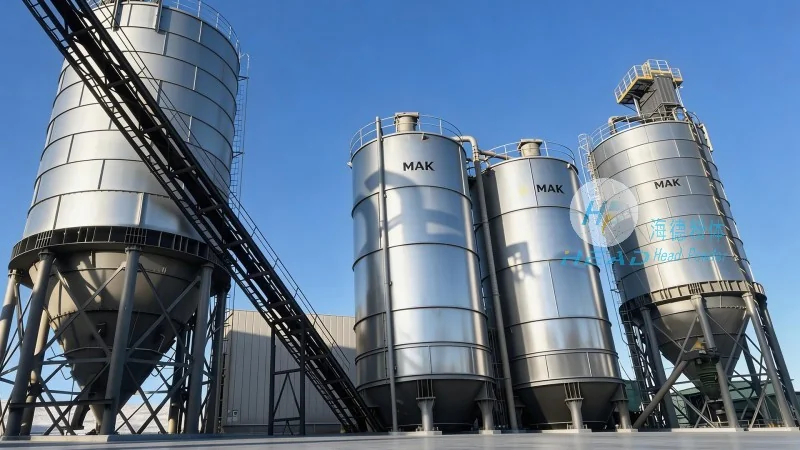
Components of a Ton Bag Bulk Bag Unloading Pneumatic Conveying System
The ton bag bulk bag unloading pneumatic conveying system consists of several key components that work together to achieve efficient material transfer. These components include the bulk bag discharger, the pneumatic conveying line, the air compressor, and the material collection hopper. The bulk bag discharger is responsible for opening the top of the ton bag and allowing the material to flow out. The pneumatic conveying line uses air pressure to transport the material from the discharger to the collection hopper or processing equipment. The air compressor provides the necessary air pressure to drive the conveying process. The material collection hopper stores the material until it is transferred to the next stage of processing.
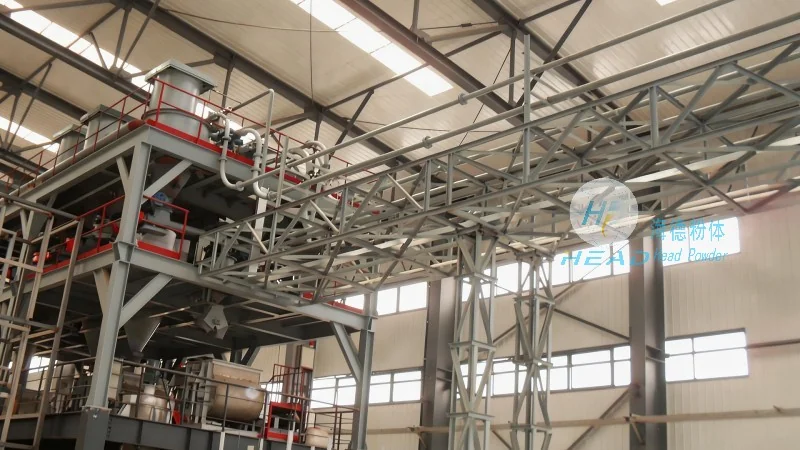
Working Principle of the System
The ton bag bulk bag unloading pneumatic conveying system operates based on the principle of pneumatic conveying, which uses air to move bulk materials. The process begins with the bulk bag being placed on the discharger. The discharger then opens the top of the bag, and the material inside begins to flow out. Simultaneously, the air compressor starts to generate compressed air, which is introduced into the conveying line. The compressed air creates a pressure differential that pulls the material from the bag and transports it through the conveying line to the collection hopper. The material is then collected in the hopper and can be further processed or transferred to other equipment. This method eliminates the need for manual handling of the bulk bag, reducing labor costs and improving safety.
Design Principles and Considerations
Designing a ton bag bulk bag unloading pneumatic conveying system requires careful consideration of several factors to ensure optimal performance and efficiency. The first consideration is the material characteristics, such as particle size, density, and moisture content. These factors affect the air velocity and pressure required for effective conveying. The second consideration is the system capacity, which determines the size of the bulk bag discharger, the conveying line diameter, and the air compressor capacity. The third consideration is the system layout, which includes the placement of the bulk bag discharger, the conveying line, and the collection hopper. The layout should be designed to minimize material spillage and ensure smooth material flow. Additionally, the system should be designed with safety features, such as explosion-proof components and dust collection systems, to protect workers and the environment.
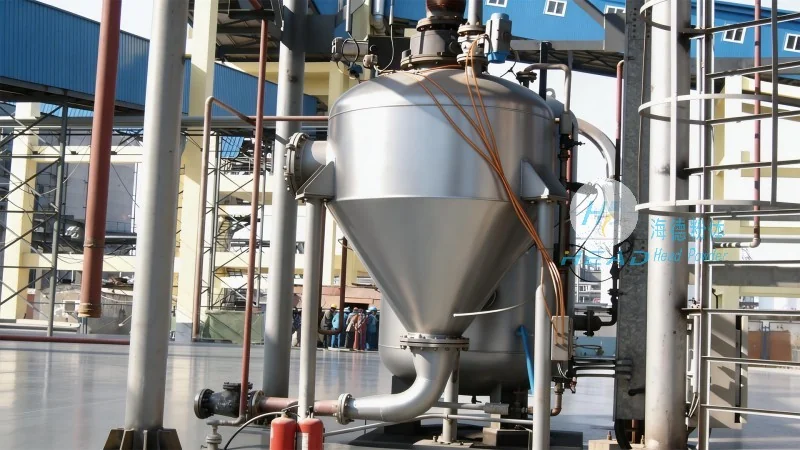
Applications and Benefits
The ton bag bulk bag unloading pneumatic conveying system is widely used in various industries, including food processing, chemical manufacturing, and mining. Its benefits include increased efficiency, reduced labor costs, improved safety, and minimized material loss. The system can handle a wide range of materials, from fine powders to coarse granules, and can transport materials over long distances. The use of pneumatic conveying also reduces the risk of contamination and cross-contamination, which is particularly important in the food and pharmaceutical industries. Overall, the ton bag bulk bag unloading pneumatic conveying system is an effective solution for bulk material handling, providing a reliable and efficient method for transferring materials from bulk bags to processing equipment.