

Types and Practical Applications of Pneumatic Conveying Systems for Edible Salt Transport
When it comes to transporting edible salt efficiently and safely, pneumatic conveying systems have emerged as a reliable solution in the food processing industry. These systems utilize air or gas to move bulk materials like salt through a pipeline network, offering advantages such as reduced contamination risk, improved hygiene, and enhanced operational flexibility. Understanding the different types of pneumatic conveying systems and their practical applications is crucial for optimizing salt handling processes in various industrial settings.
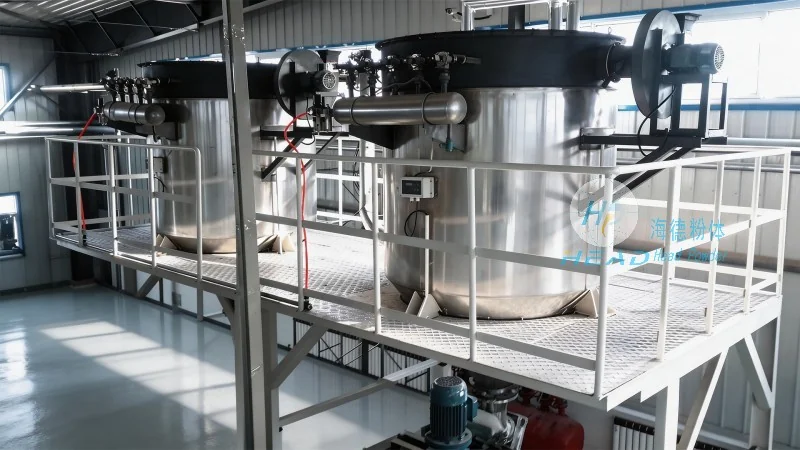
Overview of Pneumatic Conveying Systems for Edible Salt
Pneumatic conveying systems for edible salt typically operate by either creating a positive pressure (blowing air into the system) or a negative pressure (sucking air out of the system). The choice of system type depends on factors like the distance to be covered, the volume of salt to be transported, and the specific requirements of the processing facility. Both positive and negative pressure systems have their unique advantages and are widely used in the salt industry.
Types of Pneumatic Conveying Systems
There are several types of pneumatic conveying systems commonly employed in edible salt transport, each with distinct characteristics and applications. The primary categories include:
1. Positive Pressure Conveying Systems
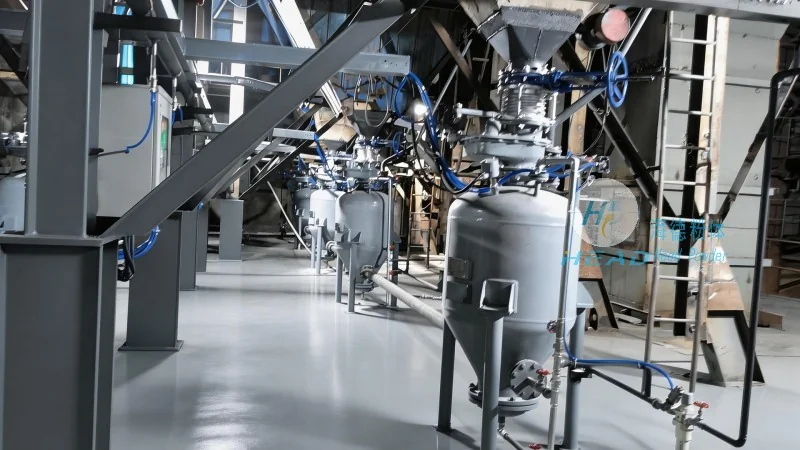
Positive pressure systems, also known as pressure or "blow" systems, use a blower or compressor to generate air pressure that pushes the salt through the pipeline. These systems are ideal for short to medium distances and can handle a wide range of salt types, including granular and crystalline forms. The high pressure ensures consistent flow and minimal material degradation, making them suitable for applications where product integrity is critical.
2. Negative Pressure (Vacuum) Conveying Systems
Negative pressure systems, or vacuum systems, operate by creating a low-pressure environment that draws the salt into the pipeline. This method is particularly effective for longer distances and when dealing with fine or dusty salt particles. The vacuum helps maintain the integrity of the material and reduces the risk of dust dispersion, which is essential for maintaining compliance with food safety regulations.
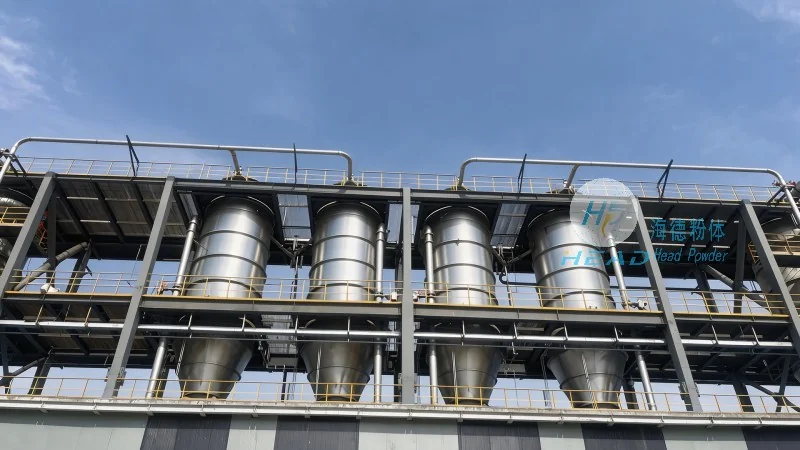
3. Hybrid Conveying Systems
Hybrid systems combine elements of both positive and negative pressure technologies, offering flexibility in handling different salt characteristics and operational needs. These systems can adapt to varying distances and material properties, making them suitable for complex salt processing plants with multiple transfer points.
Practical Applications in Edible Salt Handling
The practical application of pneumatic conveying systems in edible salt transport spans various stages of the supply chain, from raw material storage and processing to packaging and distribution. Here are some key areas where these systems are utilized:
1. Raw Material Handling and Storage
In the initial stages of salt processing, pneumatic conveying systems are used to transport raw salt from storage silos or bulk containers to processing equipment. This method minimizes manual handling, reduces the risk of contamination, and ensures a continuous flow of material. The systems can be integrated with dust collection and filtration equipment to maintain high hygiene standards, which is vital for edible salt products.
2. Processing and Refining
During the refining process, where salt is cleaned, dried, and sorted, pneumatic conveying systems facilitate the movement of intermediate products between different processing units. For example, after washing and drying, the salt may need to be conveyed to a screening or packaging area. The ability to handle different moisture levels and particle sizes makes these systems versatile for refining operations.
3. Packaging and Distribution
At the final stage, pneumatic conveying systems are employed to transport packaged salt from the production line to storage or shipping areas. This ensures that the product remains sealed and protected from environmental factors, maintaining its quality until it reaches the consumer. The systems can be designed to handle various packaging formats, including bags, containers, and bulk loads.
Benefits of Using Pneumatic Conveying Systems for Edible Salt
Implementing pneumatic conveying systems in edible salt transport offers numerous benefits that contribute to operational efficiency and product quality. Some of the key advantages include:
1. Enhanced Hygiene and Sanitation
Pneumatic systems are enclosed and sealed, preventing direct contact between the salt and the environment. This reduces the risk of contamination from dust, moisture, or foreign particles, which is critical for edible products. The enclosed design also simplifies cleaning and maintenance, ensuring compliance with food safety regulations such as those from the FDA or EU.
2. Improved Product Integrity
By minimizing material handling and reducing exposure to external factors, pneumatic conveying systems help preserve the quality and characteristics of edible salt. This includes maintaining the salt's crystalline structure, preventing clumping or caking, and preserving its flavor and purity. The gentle handling of the material is particularly important for high-value salt products.
3. Increased Operational Efficiency
Pneumatic conveying systems can operate continuously, allowing for a steady flow of salt through the processing line. This reduces downtime and improves overall throughput, leading to higher productivity and lower operational costs. The systems can be integrated with automation controls, enabling real-time monitoring and adjustment of flow rates, which further enhances efficiency.
4. Reduced Labor and Maintenance Costs
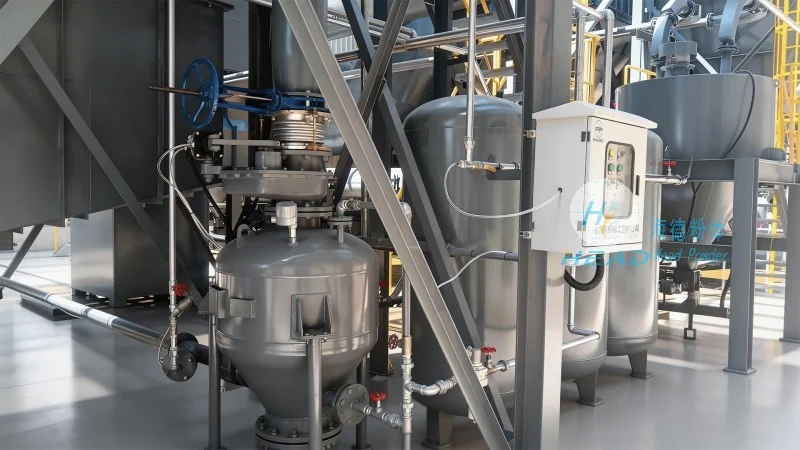
Automated pneumatic conveying systems require less manual labor for material handling, reducing labor costs and the risk of human error. Additionally, the enclosed design and specialized components of these systems minimize the need for frequent maintenance, as they are less susceptible to wear and tear compared to traditional belt or bucket elevators.
Case Study: Implementation by Shandong HeadPowder Engineering Co., Ltd.
Shandong HeadPowder Engineering Co., Ltd., a leading provider of industrial conveying solutions, has successfully implemented pneumatic conveying systems for edible salt transport in various clients' facilities. One notable project involved a large-scale salt processing plant that required the integration of positive and negative pressure systems to handle both raw and refined salt products. The company's expertise in customizing systems to meet specific operational needs ensured optimal performance and compliance with industry standards.
The implementation included the design and installation of a hybrid pneumatic conveying system that could handle different salt types and distances efficiently. The system was equipped with advanced filtration and dust collection units to maintain high hygiene levels, and automated controls to monitor and adjust flow rates in real-time. The result was a significant improvement in operational efficiency, reduced product loss, and enhanced compliance with food safety regulations.
Conclusion
Pneumatic conveying systems represent a sophisticated and effective solution for the transport of edible salt, offering a range of benefits that address the unique challenges of the food processing industry. By understanding the different types of systems and their practical applications, companies can optimize their salt handling processes, improve product quality, and enhance overall operational efficiency. With the expertise of companies like Shandong HeadPowder Engineering Co., Ltd., the adoption of these systems continues to grow, ensuring reliable and safe transport of edible salt in modern industrial settings.