

Types and Practical Applications of Pneumatic Conveying Systems for Cellulose Transport
When it comes to efficiently transporting cellulose materials, the choice of conveying system is critical for maintaining product integrity, reducing operational costs, and ensuring reliable performance. Pneumatic conveying systems have emerged as a versatile and effective solution in the industry, offering distinct advantages over traditional methods such as belt conveyors or bucket elevators. Shandong HeadPowder Engineering Co., Ltd. specializes in designing and manufacturing advanced pneumatic conveying systems tailored to the unique needs of cellulose transport, helping industries enhance operational efficiency and maintain product quality.
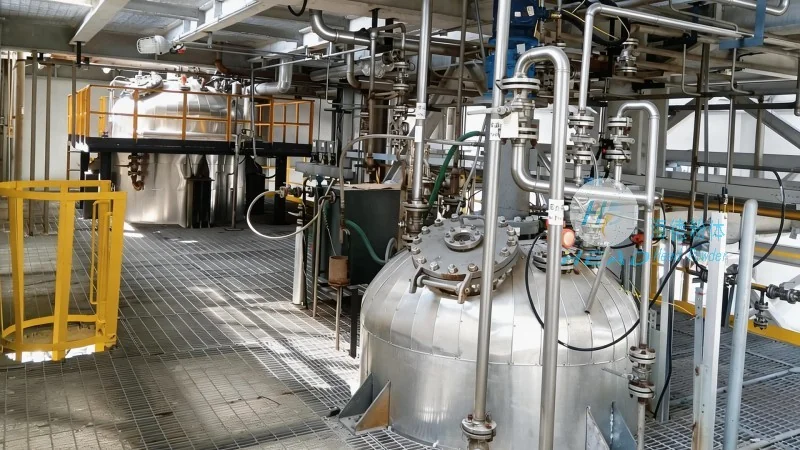
Understanding Pneumatic Conveying Systems for Cellulose Transport
Pneumatic conveying systems utilize air or gas to transport bulk materials like cellulose through a pipeline network. The primary goal is to move the material from a source to a destination without the need for mechanical contact, which helps preserve the material's quality and reduces wear on equipment. There are two main categories of pneumatic conveying systems: pressure and vacuum systems. Each type has its own characteristics and is suitable for different operational requirements.
Types of Pneumatic Conveying Systems for Cellulose Transport
1. Pressure Pneumatic Conveying: This system operates by forcing air or gas into a sealed pipeline under pressure, pushing the material forward. It is ideal for short to medium distances and can handle a wide range of particle sizes and densities. The high pressure ensures consistent flow and minimal product degradation. For cellulose transport, pressure systems are often used in applications where the material needs to be moved quickly and with minimal separation, such as in paper mills or biomass processing facilities.
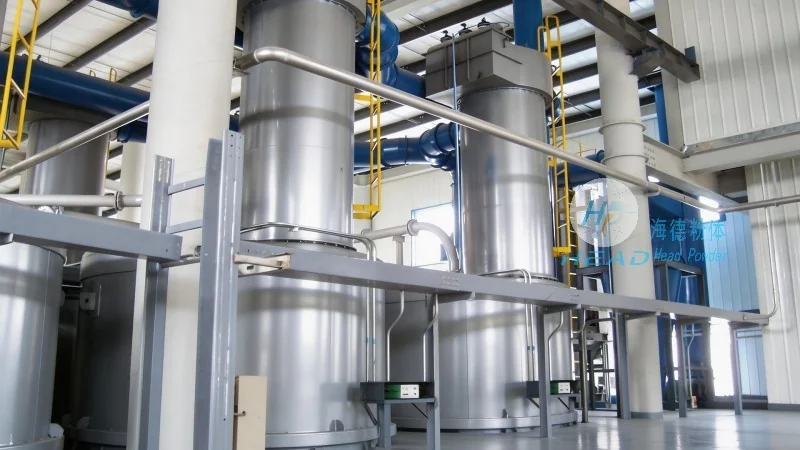
2. Vacuum Pneumatic Conveying: In contrast, vacuum systems draw material into the pipeline using a vacuum pump. This method is suitable for longer distances and can handle materials that are more difficult to move under pressure, such as fine powders or those with high moisture content. Vacuum systems are particularly effective for transporting cellulose from multiple sources to a central collection point, as they can pull material from several locations simultaneously. The low pressure environment also helps maintain the material's moisture levels, which is crucial for maintaining its quality in applications like animal feed or biofuel production.
3. Combined Pressure-Vacuum Systems: Some applications require the flexibility to handle both short and long-distance transport, as well as varying material characteristics. Combined systems integrate both pressure and vacuum capabilities, allowing for more versatile operation. These systems can switch between pressure and vacuum modes based on the operational needs, making them suitable for complex cellulose transport scenarios, such as in large-scale industrial plants where material is sourced from multiple locations and needs to be processed in different stages.
Practical Applications of Pneumatic Conveying Systems in Cellulose Transport
1. Paper and Pulp Industry: In the paper and pulp sector, pneumatic conveying systems are widely used to transport raw materials like wood chips and cellulose fibers from storage to processing units. The systems help maintain the material's moisture content and prevent degradation, which is essential for producing high-quality paper products. For example, in a paper mill, a pressure pneumatic system can efficiently move wood chips from a storage silo to a pulping machine, ensuring a consistent supply of raw material without the need for manual handling.
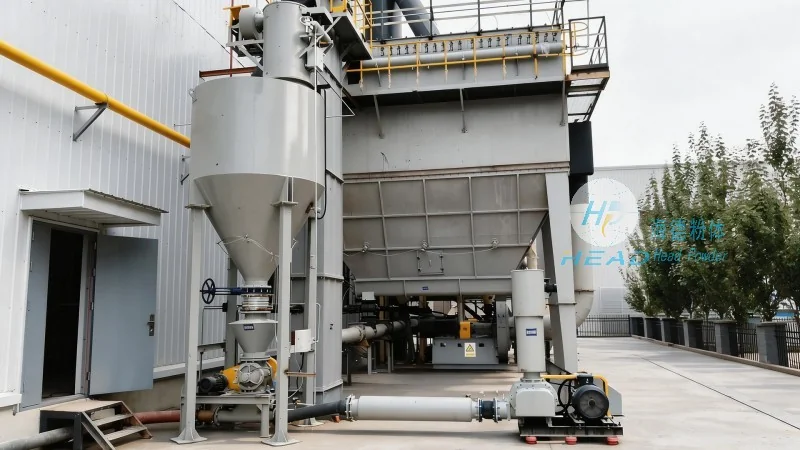
2. Biofuel Production: The biofuel industry relies heavily on cellulose as a feedstock for producing ethanol and other renewable energy sources. Pneumatic conveying systems are used to transport cellulose from agricultural sources, such as corn stover or wheat straw, to processing facilities. Vacuum systems are particularly useful here, as they can handle the fine, dry particles and transport them over long distances without causing dust or contamination. This ensures that the cellulose feedstock remains clean and suitable for efficient conversion into biofuel.
3. Animal Feed Manufacturing: In animal feed production, cellulose is often used as a dietary fiber supplement. Pneumatic conveying systems help transport cellulose from storage silos to mixing and packaging equipment. The systems maintain the material's quality by preventing moisture loss and contamination, which is critical for producing feed that meets nutritional standards. For instance, a vacuum system can pull cellulose from multiple storage bins and deliver it to a central mixer, ensuring a uniform blend of ingredients in the final feed product.
4. Pharmaceutical and Food Processing: In the pharmaceutical and food industries, the quality of cellulose is paramount. Pneumatic conveying systems are used to transport cellulose-based ingredients, such as microcrystalline cellulose, from raw material storage to production lines. The systems are designed to maintain sterile conditions and prevent cross-contamination, which is essential for meeting regulatory standards. For example, in a pharmaceutical facility, a pressure pneumatic system can transport cellulose powders to a tablet press, ensuring that the material is delivered in a consistent and controlled manner.
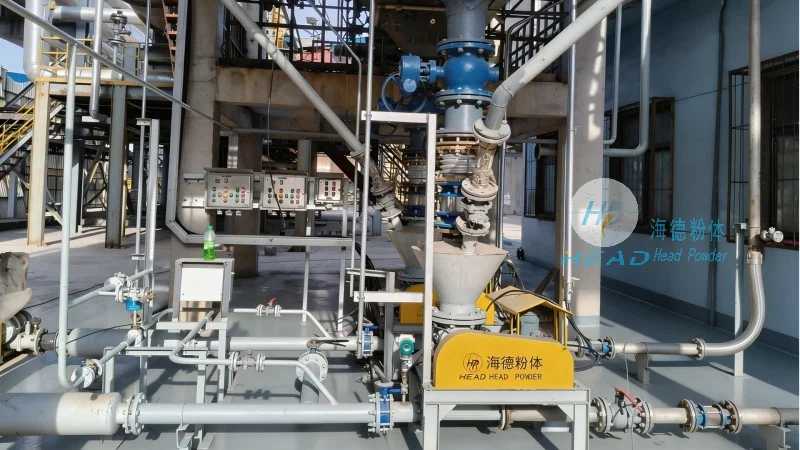
Key Considerations for Selecting a Pneumatic Conveying System for Cellulose Transport
When selecting a pneumatic conveying system for cellulose transport, several factors must be considered to ensure optimal performance and efficiency. These include the material's physical properties, such as particle size, density, and moisture content, as well as the distance and volume of material to be transported. The system's design must also account for the need to maintain product quality and minimize equipment wear. For instance, if the cellulose is fine and has high moisture content, a vacuum system with a low-pressure environment may be more suitable to prevent clogging and maintain moisture levels. Additionally, the system's capacity and scalability are important, especially in large-scale industrial applications where demand may fluctuate.
Another critical consideration is the system's energy efficiency and operational costs. Pneumatic conveying systems can be energy-intensive, so selecting a system with optimal air pressure and flow rates is essential to minimize energy consumption. For example, using a pressure system with the appropriate air pressure can reduce energy costs while maintaining the required material flow rate. Furthermore, regular maintenance and monitoring of the system are necessary to ensure long-term reliability and prevent downtime. This includes checking for air leaks, cleaning the pipeline, and replacing worn components as needed.