

Types and Practical Applications of Pneumatic Conveying Systems for ABS Particle Transport
When it comes to transporting ABS (Acrylonitrile Butadiene Styrene) particles, the choice of conveying system is critical for efficiency, safety, and cost-effectiveness. Pneumatic conveying systems have emerged as a preferred solution in many industrial applications due to their ability to handle fine to medium-sized particles like ABS granules with precision and reliability. This article explores the different types of pneumatic conveying systems commonly used for ABS particle transport and their practical applications in various industrial settings.
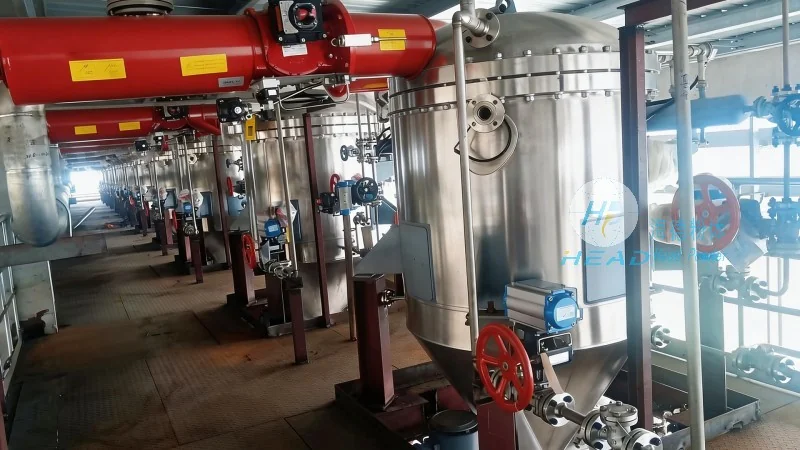
Types of Pneumatic Conveying Systems for ABS Particle Handling
There are primarily two main categories of pneumatic conveying systems: pressure and vacuum systems. Each type has distinct characteristics and is suitable for different operational requirements.
1. Pressure Pneumatic Conveying Systems: These systems operate by blowing air or other gases under pressure into the conveying line to move the material. They are typically used for short to medium distances and can handle a wide range of particle sizes and densities. For ABS particles, pressure systems are often preferred when the material needs to be transported from a storage silo to a processing unit or between different production stages. The high pressure ensures that the particles are moved quickly and efficiently, minimizing the risk of clogging or material degradation.
2. Vacuum Pneumatic Conveying Systems: In contrast, vacuum systems draw material into the conveying line using a vacuum pump. This method is ideal for applications where the material needs to be collected from multiple points or over longer distances. Vacuum systems are particularly useful when dealing with fine ABS particles that might be prone to dust generation or when the material is sensitive to pressure changes. They offer a gentler handling approach, reducing the risk of particle breakage and ensuring a cleaner operation environment.
Practical Applications of Pneumatic Conveying in ABS Production
Pneumatic conveying systems are widely utilized in the ABS manufacturing and processing industry for several key applications. One of the most common uses is in the transfer of raw ABS granules from bulk storage to the extrusion or molding lines. This process is crucial for maintaining a continuous and uninterrupted production flow, as it eliminates the need for manual handling and reduces the risk of contamination.
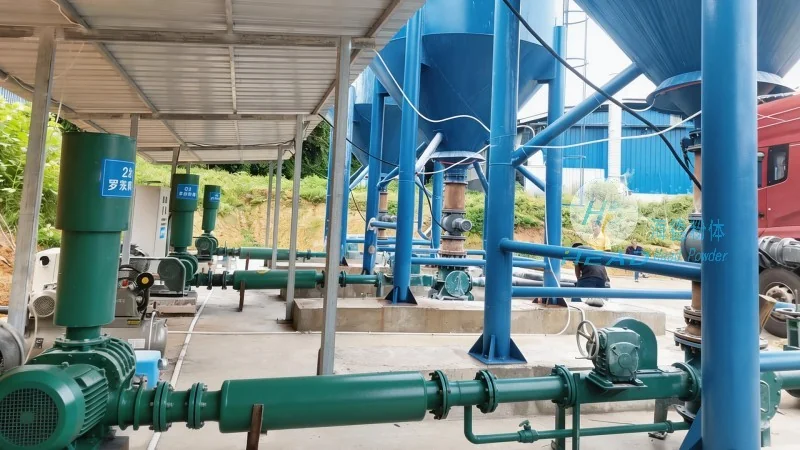
Another practical application is the transport of finished ABS products or intermediates between different production stages, such as from the drying unit to the pelletizing machine. Pneumatic conveying ensures that the material is moved in a controlled manner, preventing any loss or degradation of quality. Additionally, these systems are used in quality control processes, where ABS particles are conveyed to testing equipment for properties like density, moisture content, and particle size distribution.
Advantages of Using Pneumatic Conveying for ABS Particle Transport
Implementing pneumatic conveying systems for ABS particle transport offers several advantages over traditional methods like belt conveyors or screw conveyors. Firstly, they provide a more hygienic and dust-free environment, which is essential in food and medical applications where ABS is used. The enclosed system prevents the release of fine particles into the air, reducing the risk of inhalation hazards and contamination.
Secondly, pneumatic conveying systems are highly flexible and can be easily integrated into existing production lines. They can handle changes in material flow rates and can be adjusted to accommodate different particle sizes without significant modifications. This adaptability makes them suitable for diverse production scenarios, from small-scale batch processing to large-scale continuous production.
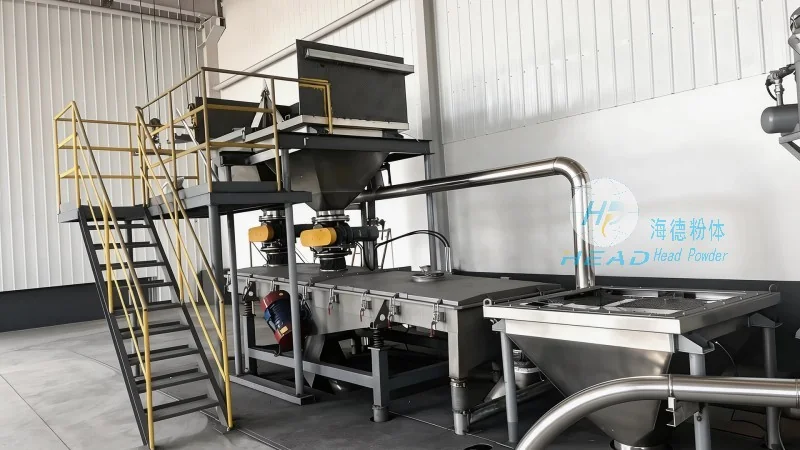
Thirdly, these systems offer improved safety features. Unlike mechanical conveyors that may have moving parts that can cause entanglement or injury, pneumatic systems operate with minimal moving components, reducing the risk of accidents. The enclosed design also protects operators from direct contact with the material, enhancing workplace safety.
Considerations for Selecting the Right Pneumatic Conveying System for ABS
When selecting a pneumatic conveying system for ABS particle transport, several factors need to be considered to ensure optimal performance and efficiency. The first consideration is the distance and layout of the conveying route. For short distances, pressure systems may be sufficient, while vacuum systems are preferred for longer or more complex routes involving multiple collection points.
Secondly, the particle characteristics of the ABS material are critical. Factors such as particle size, density, moisture content, and flowability will determine the type of system and the necessary equipment specifications. For example, fine ABS particles may require a vacuum system with a higher suction capacity to prevent clogging, while larger granules might be better suited for pressure systems.
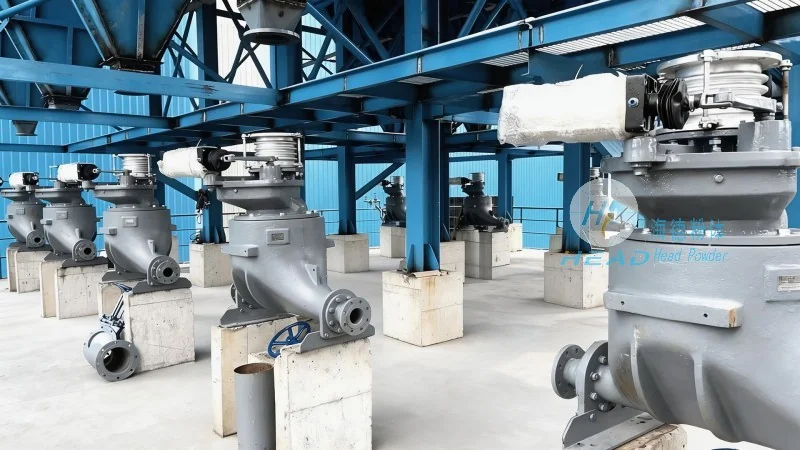
Thirdly, the production capacity and throughput requirements play a significant role. The system must be capable of handling the desired volume of material at a consistent rate without causing bottlenecks or inefficiencies. This involves selecting the appropriate air flow rate, pressure levels, and conveying line diameter.
Lastly, the budget and maintenance considerations are important. While pneumatic systems may have higher initial costs compared to some mechanical alternatives, their long-term operational efficiency and lower maintenance requirements often make them a cost-effective choice. Regular maintenance, such as cleaning the conveying lines and checking the air filtration system, is essential to ensure the system operates at peak performance.
Conclusion and Company Overview
Pneumatic conveying systems represent a reliable and efficient solution for transporting ABS particles in various industrial applications. Whether used in raw material handling, intermediate processing, or quality control, these systems offer significant advantages in terms of safety, hygiene, and operational flexibility. By understanding the different types of pneumatic conveying systems and their specific applications, industries can make informed decisions to optimize their production processes.
Shandong HeadPowder Engineering Co., Ltd., a leading provider of material handling solutions, specializes in designing and manufacturing customized pneumatic conveying systems tailored to the unique needs of ABS particle transport. With years of experience and a commitment to quality, the company ensures that its systems meet the highest standards of performance and reliability. Based in Shandong, China, HeadPowder Engineering leverages advanced technology and engineering expertise to deliver innovative solutions that enhance productivity and safety in the ABS manufacturing sector.