

Types and Practical Applications of Pneumatic Conveying Systems for Monocrystalline Silicon Transpor
Monocrystalline silicon is a foundational material in the semiconductor and photovoltaic sectors, demanding precise handling to preserve its purity and structural integrity. The transportation of this delicate material from raw silicon to finished solar cells or electronic components requires specialized equipment capable of minimizing particle breakage, preventing contamination, and ensuring consistent flow rates. Pneumatic conveying systems have become the industry standard for monocrystalline silicon transport due to their ability to handle fine powders and granules with precision, making them ideal for applications where traditional mechanical conveyors may cause damage or introduce impurities. This article explores the different types of pneumatic conveying systems used in monocrystalline silicon transport and examines their practical applications, with a focus on the expertise of Shandong HeadPowder Engineering Co., Ltd. in providing tailored solutions for this critical process.
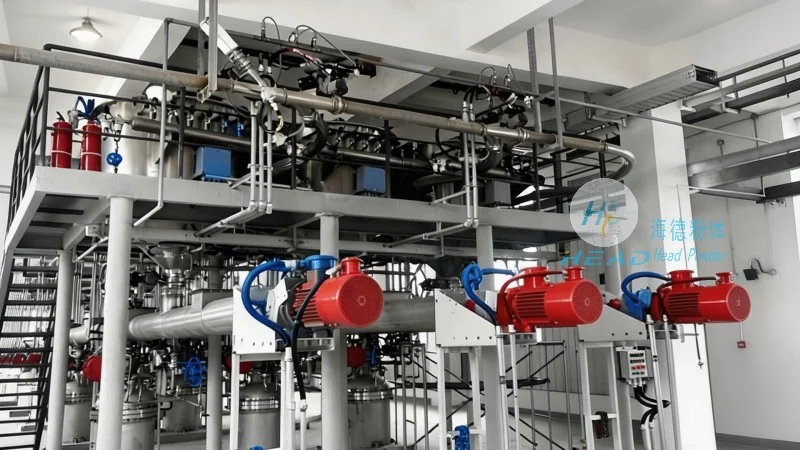
Types of Pneumatic Conveying Systems for Monocrystalline Silicon
Pneumatic conveying systems are broadly categorized into two main types based on the density of the material-air mixture: low-density (or dilute-phase) and high-density (or dense-phase) systems. Each type offers distinct advantages and is suited to different operational requirements in monocrystalline silicon transport.
Low-density pneumatic conveying systems operate by suspending the material in a stream of air, typically at velocities ranging from 20 to 30 meters per second. This method is effective for transporting fine powders over moderate distances, such as from storage silos to processing lines. The primary advantage of low-density systems is their ability to handle large volumes of material with relatively low energy consumption. However, they are less suitable for transporting abrasive or fragile materials like monocrystalline silicon, as the high air velocities can cause particle attrition and degradation.
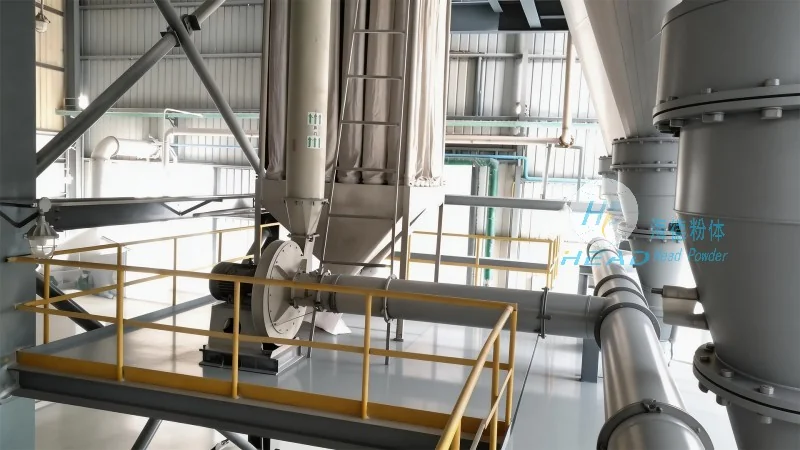
High-density pneumatic conveying systems, on the other hand, use a higher air velocity and a higher material concentration to achieve a denser material-air mixture. These systems are designed to transport material at a lower velocity, typically 5 to 10 meters per second, which reduces the risk of particle damage. High-density systems are particularly well-suited for monocrystalline silicon transport because they can handle abrasive or fragile materials without compromising their quality. They are commonly used in applications where the material needs to be moved over longer distances or through complex piping networks.
Positive and Negative Pressure Systems
Pneumatic conveying systems can also be classified based on the pressure of the conveying air. Positive pressure systems operate by blowing air into the system, creating a pressure higher than the ambient air pressure. This method is effective for transporting material from a single source to multiple destinations, as the air pressure can be directed to different branches of the system. Positive pressure systems are often used in industrial settings where the material is being transported from a central storage area to various processing units.
Negative pressure systems, conversely, operate by creating a vacuum in the system, drawing material into the pipeline. This method is ideal for applications where the material needs to be collected from multiple sources or where the system is located in an area with high ambient air pressure. Negative pressure systems are commonly used in environments where dust control is a priority, as the vacuum helps to prevent dust from escaping into the surrounding air.
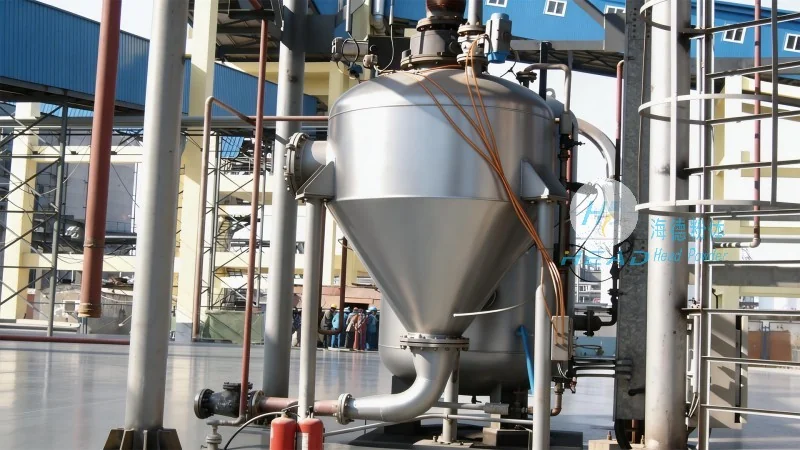
Practical Applications in Monocrystalline Silicon Production
The choice of pneumatic conveying system depends on the specific stage of monocrystalline silicon production. For example, in the initial stages of production, where raw silicon is converted into high-purity silicon ingots, low-density systems may be used to transport the fine silicon powder from the reactor to the next processing step. As the material progresses through the production line, high-density systems may be employed to move the silicon ingots or wafers to the cutting and polishing stages.
During the wafer cutting process, where monocrystalline silicon ingots are sliced into thin wafers, high-density systems are often used to transport the wafers to the next stage of processing. The precision required in this step makes high-density systems ideal, as they minimize the risk of wafer breakage or damage. Similarly, in the solar cell manufacturing process, where the wafers are assembled into solar panels, pneumatic conveying systems are used to transport the wafers to the assembly lines, ensuring that the material is handled with care and without contamination.
Custom Solutions by Shandong HeadPowder Engineering Co., Ltd.
Shandong HeadPowder Engineering Co., Ltd., a leading provider of pneumatic conveying solutions, specializes in designing and implementing tailored systems for monocrystalline silicon transport. The company's expertise lies in understanding the unique challenges of handling delicate materials like monocrystalline silicon and developing systems that meet the specific requirements of each client. By combining advanced engineering techniques with a deep understanding of material properties, HeadPowder provides solutions that optimize efficiency, reduce downtime, and ensure the highest quality of the final product.
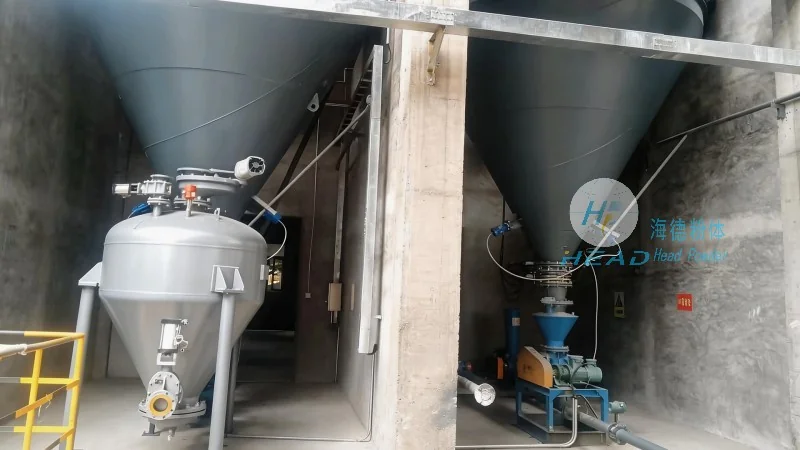
HeadPowder's team of engineers works closely with clients to assess their operational needs, including material characteristics, processing capacity, and environmental considerations. The company offers a range of pneumatic conveying systems, from low-density to high-density, and can customize the design to suit the specific application. Whether a client requires a positive or negative pressure system, HeadPowder provides solutions that are reliable, efficient, and cost-effective.
Conclusion
Pneumatic conveying systems play a vital role in the efficient and safe transport of monocrystalline silicon in the semiconductor and solar energy industries. The choice of system depends on factors such as material characteristics, distance, and operational requirements. By understanding the different types of pneumatic conveying systems and their applications, manufacturers can select the most appropriate solution to meet their needs. Shandong HeadPowder Engineering Co., Ltd. continues to be a trusted partner in providing innovative and effective pneumatic conveying solutions for monocrystalline silicon transport, helping clients achieve their production goals while maintaining the highest standards of quality and safety.