

Types and Practical Applications of Pneumatic Conveying Systems for Fertilizer Granule Transport
Fertilizer granule transport is a critical process in modern agricultural and industrial operations, ensuring efficient movement of nutrient-rich materials from production sites to storage or application points. Among the various technologies available for this task, pneumatic conveying systems have emerged as a versatile and effective solution. This article explores the different types of pneumatic conveying systems used in fertilizer granule transport and their practical applications, highlighting the role of specialized engineering companies like Shandong HeadPowder Engineering Co., Ltd. based in China.
Types of Pneumatic Conveying Systems for Fertilizer Granule Transport
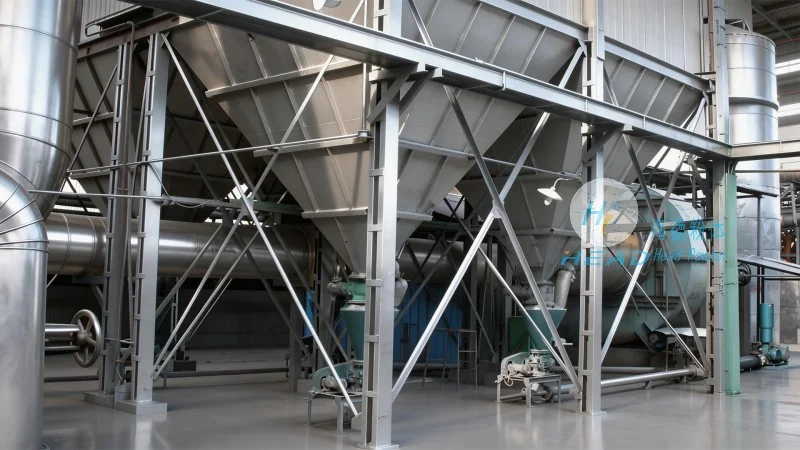
Pneumatic conveying systems rely on the movement of air or gas to transport solid materials like fertilizer granules. The primary types used in fertilizer applications include positive pressure, negative pressure, and mixed pressure systems. Each type has distinct characteristics and is suitable for different operational requirements.
Positive Pressure Pneumatic Conveying Systems
Positive pressure systems operate by blowing air or gas into the conveying line, creating a pressure higher than the ambient air. This method is particularly effective for transporting fertilizer granules over long distances or through complex piping networks. The high pressure ensures consistent flow rates and minimal material degradation, making it ideal for bulk fertilizer handling in large-scale operations. Shandong HeadPowder Engineering Co., Ltd. specializes in designing and implementing positive pressure systems tailored to the specific needs of fertilizer manufacturers, ensuring reliable and efficient granule transport.
Negative Pressure Pneumatic Conveying Systems
Negative pressure systems, also known as vacuum systems, work by creating a vacuum in the conveying line to draw material from the source. This approach is often preferred for shorter distances or when the material needs to be transported from a lower elevation to a higher one. Negative pressure systems are effective for handling fine or dusty granules, as they minimize particle breakage and prevent dust dispersion. The engineering expertise of Shandong HeadPowder Engineering Co., Ltd. ensures that negative pressure systems are optimized for low noise operation and energy efficiency, aligning with modern industrial standards.
Mixed Pressure Pneumatic Conveying Systems
Mixed pressure systems combine elements of both positive and negative pressure, offering flexibility in conveying different types of fertilizer granules. These systems are particularly useful when transporting materials over varying distances or through mixed material compositions. By adjusting the pressure levels, mixed pressure systems can handle both fine and coarse granules, ensuring consistent performance. Shandong HeadPowder Engineering Co., Ltd. provides customized mixed pressure solutions that integrate advanced control technologies, allowing for real-time monitoring and adjustment of conveying parameters to maximize operational efficiency.
Practical Applications of Pneumatic Conveying Systems in Fertilizer Granule Transport
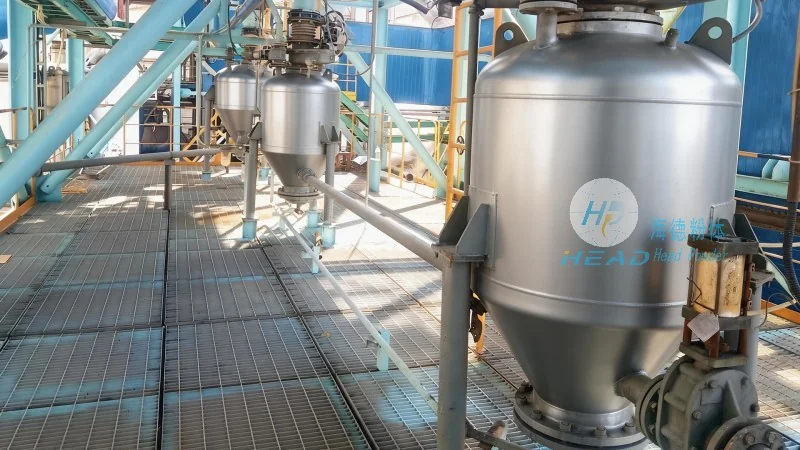
The practical applications of pneumatic conveying systems in fertilizer granule transport span across various stages of the supply chain. From raw material handling to final product distribution, these systems enhance productivity and reduce operational costs.
Raw Material Handling and Processing
At fertilizer production facilities, pneumatic conveying systems are used to transport raw materials such as urea, ammonium nitrate, and other granular components from storage silos to processing units. The positive pressure systems are commonly employed here due to their ability to handle large volumes of material with minimal downtime. Shandong HeadPowder Engineering Co., Ltd. has successfully implemented such systems for major fertilizer producers, improving material flow rates by up to 30% and reducing labor costs associated with manual handling.
Storage and Inventory Management
Once processed, fertilizer granules are stored in bulk silos or containers. Pneumatic conveying systems facilitate the transfer of granules between storage units, ensuring that inventory levels are maintained efficiently. Negative pressure systems are often used for this purpose, as they allow for gentle handling of the material without causing excessive vibration or particle breakdown. The systems designed by Shandong HeadPowder Engineering Co., Ltd. incorporate advanced filtration and dust control measures, maintaining a clean and safe working environment in storage facilities.
Transport to Application Sites
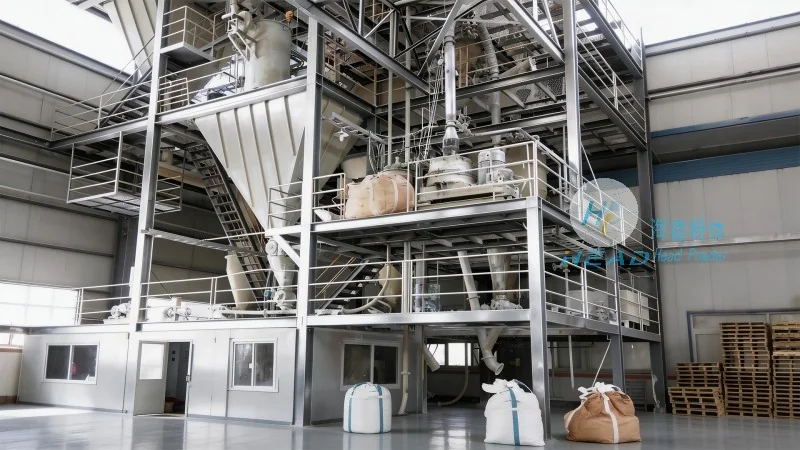
The final stage of fertilizer granule transport involves delivering the product to agricultural fields or industrial sites. Mixed pressure systems are particularly effective for this application, as they can handle the varying distances and terrain between the storage facility and the application point. These systems ensure that the fertilizer is delivered in a uniform manner, optimizing nutrient distribution and crop yields. Shandong HeadPowder Engineering Co., Ltd. has developed specialized mixed pressure solutions for on-site fertilizer application, integrating with existing farming equipment to provide seamless and efficient delivery.
Case Studies and Real-World Examples
Several case studies demonstrate the effectiveness of pneumatic conveying systems in fertilizer granule transport. For instance, a large-scale fertilizer manufacturer in China implemented a positive pressure system designed by Shandong HeadPowder Engineering Co., Ltd. to transport 500 tons of granules per hour from production lines to storage silos. The system reduced material handling time by 40% and increased overall plant throughput. Another example involves a negative pressure system used in a fertilizer distribution center, which successfully handled fine granules with minimal dust generation, improving air quality and worker safety.
Key Considerations for Selecting Pneumatic Conveying Systems
When selecting a pneumatic conveying system for fertilizer granule transport, several factors must be considered to ensure optimal performance and cost-effectiveness. These include the type and size of granules, the distance to be covered, the required flow rate, and the environmental regulations in the operating area. Shandong HeadPowder Engineering Co., Ltd. provides comprehensive consultation services to help clients evaluate these factors and choose the most suitable system. The company’s engineers conduct detailed site assessments and material testing to design systems that meet specific operational requirements and comply with industry standards.
Conclusion
Pneumatic conveying systems play a vital role in the efficient and reliable transport of fertilizer granules, supporting the agricultural and industrial sectors. The different types of systems—positive pressure, negative pressure, and mixed pressure—offer tailored solutions for various applications, from raw material handling to final product delivery. With its expertise in engineering and design, Shandong HeadPowder Engineering Co., Ltd. continues to provide innovative solutions that enhance productivity and sustainability in fertilizer granule transport. Based in Shandong, China, the company serves clients globally, delivering high-quality pneumatic conveying systems that meet the evolving needs of the fertilizer industry.