

Types and Practical Applications of Pneumatic Conveying Systems for Dust Removal Coke Powder Transpo
Efficient and reliable transport of dust removal coke powder is a critical challenge in industrial processes, particularly in facilities that handle bulk materials. Pneumatic conveying systems have emerged as a preferred solution due to their ability to handle fine powders like coke dust while ensuring minimal contamination and operational efficiency. This article explores the various types of pneumatic conveying systems used in dust removal coke powder transport and their practical applications, highlighting the expertise of Shandong HeadPowder Engineering Co., Ltd. in providing tailored solutions for industrial clients.
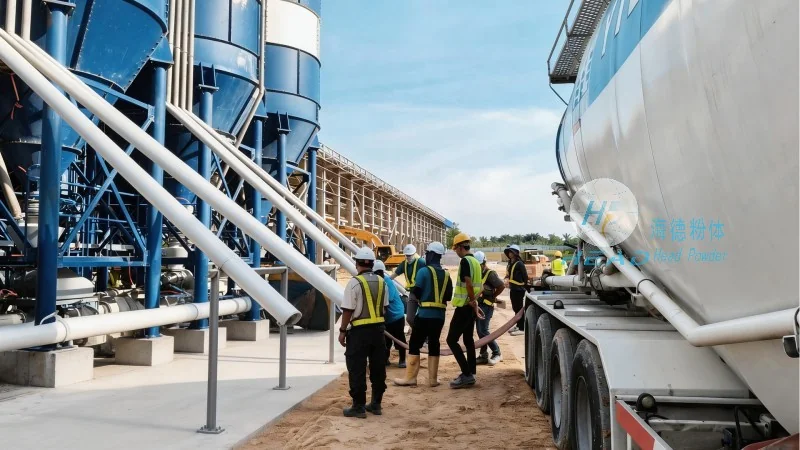
Introduction to Pneumatic Conveying Systems for Dust Removal Coke Powder
Pneumatic conveying systems utilize air or gas to transport solid materials through a pipeline. In the context of dust removal coke powder, these systems are designed to handle fine, abrasive powders that are prone to caking and segregation. The primary goal is to move the powder from a source, such as a dust collector or storage silo, to a destination, such as a processing unit or storage vessel, with minimal loss and maximum efficiency. Shandong HeadPowder Engineering Co., Ltd., a leading provider in the field, specializes in designing and implementing pneumatic conveying solutions that meet the unique requirements of industrial applications.
Types of Pneumatic Conveying Systems
There are several types of pneumatic conveying systems, each with distinct characteristics and applications. The choice of system depends on factors such as the material's properties, the distance to be covered, and the required flow rate. The main types include:
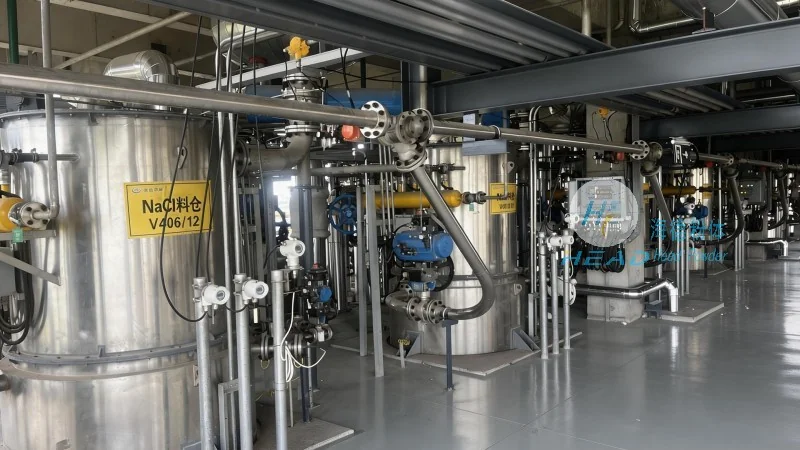
1. Positive Pressure (Pressure) Systems: In this system, air is supplied under pressure to the conveying line, pushing the material forward. Positive pressure systems are suitable for long-distance transport and can handle a wide range of materials, including dust removal coke powder. They are often used in applications where the material needs to be transported to a higher elevation or over long distances. Shandong HeadPowder Engineering Co., Ltd. has extensive experience in designing positive pressure systems that ensure consistent flow and minimal material degradation.
2. Negative Pressure (Vacuum) Systems: These systems use a vacuum to draw material into the conveying line. They are ideal for short-distance transport and applications where the material needs to be collected from multiple points. Negative pressure systems are commonly used in dust removal processes where the powder is collected from various sources and transported to a central processing unit. The company's expertise in vacuum systems allows for efficient collection and transport of dust removal coke powder with minimal air leakage and contamination.
3. Combined Pressure-Vacuum Systems: As the name suggests, these systems combine both positive and negative pressure elements. They are used when the material needs to be transported over varying distances or elevations, with the pressure system handling the main transport and the vacuum system assisting in material collection. This hybrid approach offers flexibility and efficiency, making it suitable for complex industrial setups. Shandong HeadPowder Engineering Co., Ltd. specializes in customizing combined systems to meet the specific needs of clients, ensuring optimal performance and cost-effectiveness.
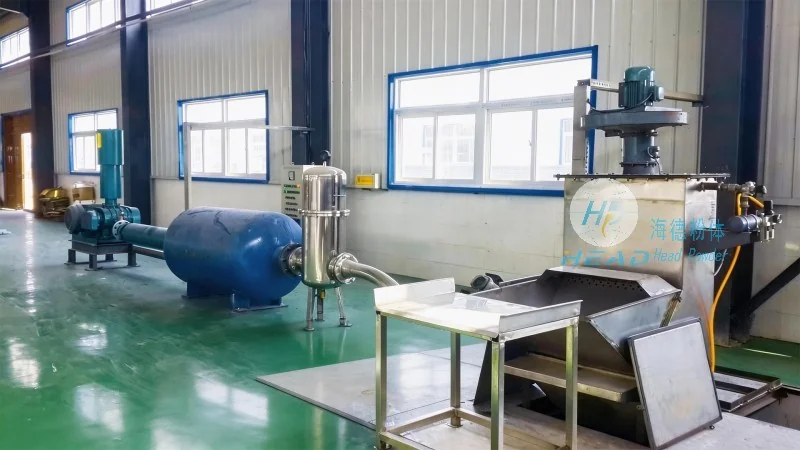
Practical Applications of Pneumatic Conveying Systems
Pneumatic conveying systems are widely used in various industrial applications involving dust removal coke powder. Some of the key practical applications include:
1. Transport from Dust Collectors to Storage Silos: In many industrial facilities, dust removal coke powder is collected from dust collectors and needs to be transported to storage silos for later use. Pneumatic conveying systems provide a clean and efficient way to move the powder without the need for manual handling or mechanical conveyors. Shandong HeadPowder Engineering Co., Ltd. has successfully implemented such systems in clients' facilities, ensuring smooth and continuous operation with minimal downtime.
2. Delivery to Processing Units: After storage, the dust removal coke powder may need to be delivered to processing units, such as coke ovens or chemical reactors. Pneumatic conveying systems allow for precise control over the flow rate and pressure, ensuring that the material is delivered at the required rate without causing blockages or damage to the equipment. The company's expertise in system design ensures that the conveying process is optimized for the specific processing requirements.
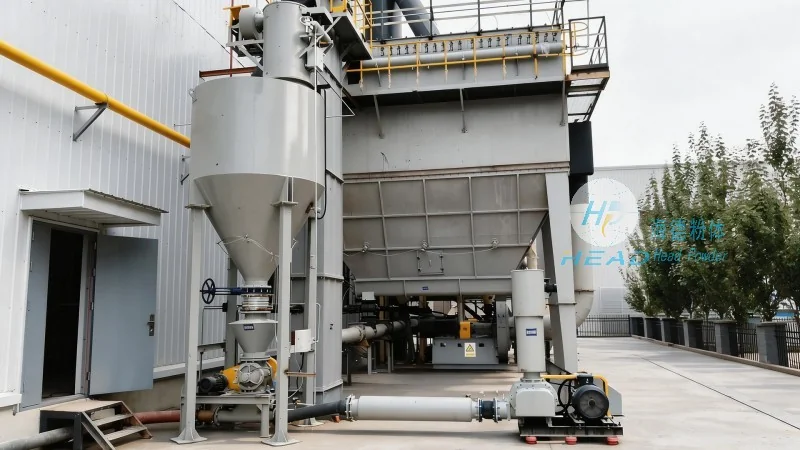
3. Transfer Between Production Lines: In large industrial complexes, dust removal coke powder may need to be transferred between different production lines or departments. Pneumatic conveying systems provide a flexible and reliable method for such transfers, allowing for easy integration into existing production workflows. Shandong HeadPowder Engineering Co., Ltd. has experience in designing systems that can handle multiple transfer points and varying material volumes, ensuring seamless operation across the entire facility.
Key Considerations for Selecting a Pneumatic Conveying System
When selecting a pneumatic conveying system for dust removal coke powder, several factors must be considered to ensure optimal performance and longevity. These include: