

Comparison of Negative Pressure and Positive Pressure Pneumatic Conveying for Foundry Dust
When it comes to handling foundry dust through pneumatic conveying systems, the choice between negative pressure and positive pressure methods is a critical decision for industrial operations. Both approaches offer distinct advantages and drawbacks, making it essential to understand their characteristics to select the most suitable solution for specific applications.
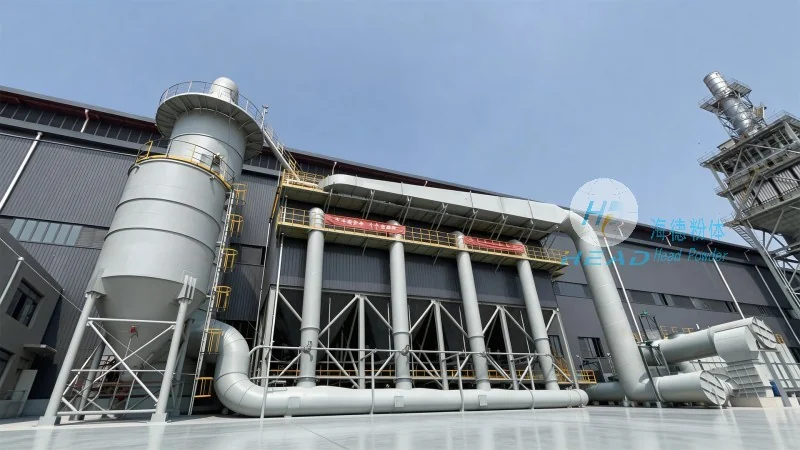
Introduction to Pneumatic Conveying Systems for Foundry Dust
Pneumatic conveying is a widely used technique in the foundry industry to transport bulk materials like foundry dust from one location to another. This method involves using air to move particles through a pipeline system. The primary goal is to achieve efficient, safe, and cost-effective material handling. However, the choice of system—whether negative pressure (or vacuum) or positive pressure—significantly impacts performance, maintenance, and operational costs.
Understanding Negative Pressure (Vacuum) Pneumatic Conveying
Negative pressure systems operate by creating a vacuum at the receiving end of the pipeline. This vacuum draws material from the source into the system. The key components include a vacuum pump, a hopper, and a pipeline that connects the source to the destination. The primary advantage of negative pressure systems is their ability to handle materials from multiple sources or at varying distances without the need for additional pressure boosters. They are particularly effective for applications where the material is to be collected from a wide area or where the destination is at a lower elevation than the source.
One of the main benefits of negative pressure conveying is its lower initial cost compared to positive pressure systems. The absence of high-pressure pumps reduces equipment complexity and installation expenses. Additionally, these systems are generally quieter and produce less noise pollution, which is beneficial in environments where noise control is a priority. However, negative pressure systems have limitations, especially when dealing with abrasive or sticky materials. The vacuum can cause material to stick to the pipeline walls, leading to blockages and increased maintenance. Moreover, the system's efficiency decreases with longer distances or larger particle sizes, as the vacuum pressure drops over the pipeline length.
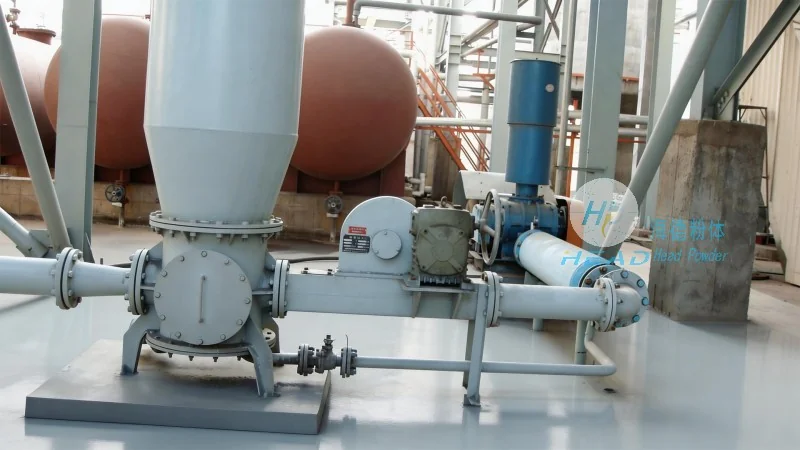
Understanding Positive Pressure (Pressure) Pneumatic Conveying
Positive pressure systems, on the other hand, use a blower or compressor to generate pressure at the source end of the pipeline. This pressure pushes material through the system towards the destination. The main components include a pressure blower, a hopper, and a pipeline that transports material from the source to the receiving point. Positive pressure systems are often preferred for applications requiring high material throughput or when the material needs to be transported over long distances. They are particularly effective for handling abrasive or sticky materials, as the high pressure helps prevent material buildup on the pipeline walls.
The primary advantage of positive pressure conveying is its superior efficiency for long-distance or high-volume transport. The constant pressure ensures consistent material flow, reducing the risk of blockages and improving overall system reliability. Additionally, positive pressure systems can handle a wider range of material properties, including those with high moisture content or varying particle sizes. However, these systems come with higher initial costs due to the need for robust pressure equipment. They also generate more noise and require more maintenance, as the high-pressure components are subject to greater wear and tear. Furthermore, positive pressure systems may not be suitable for applications where the destination is at a higher elevation than the source, as the pressure may not be sufficient to overcome the gravitational force.
Comparative Analysis: Negative Pressure vs. Positive Pressure Conveying
When comparing negative and positive pressure pneumatic conveying for foundry dust, several factors must be considered. The choice ultimately depends on the specific requirements of the foundry operation, including material characteristics, distance, throughput, and budget constraints.
For short-distance or low-volume applications where the material is non-abrasive and the destination is at a lower elevation, negative pressure systems may be more cost-effective and efficient. They are ideal for situations where noise reduction is a priority, such as in residential or sensitive industrial areas. However, for long-distance or high-volume transport, especially with abrasive or sticky materials, positive pressure systems offer better performance and reliability. The higher initial cost of positive pressure systems is often justified by lower long-term maintenance costs and improved operational efficiency.
Another critical factor is the material's properties. Negative pressure systems are better suited for materials that are less likely to stick to the pipeline, while positive pressure systems are more effective for handling materials with high moisture content or varying particle sizes. The choice also depends on the layout of the foundry facility. If the material needs to be collected from multiple points and transported to a central location, negative pressure systems are more practical due to their ability to draw material from various sources. Conversely, if the material is to be transported from a single source to multiple destinations, positive pressure systems may be more suitable, as they can easily branch the pipeline to different locations.
Conclusion: Selecting the Right Pneumatic Conveying System
Choosing between negative pressure and positive pressure pneumatic conveying for foundry dust requires a thorough evaluation of operational needs and constraints. While negative pressure systems offer lower initial costs and noise advantages, positive pressure systems provide superior performance for long-distance or high-volume applications. The key is to balance cost, efficiency, and material handling requirements to select the most appropriate system.
Shandong HeadPowder Engineering Co., Ltd., a leading provider of pneumatic conveying solutions, specializes in designing and manufacturing customized systems tailored to the specific needs of foundry operations. With years of experience in the industry, HeadPowder offers expert guidance to help foundries select the optimal conveying method, ensuring efficient material handling, reduced downtime, and improved overall operational performance.