

Advantages and Disadvantages Comparison of Negative Pressure and Positive Pressure Conveying for Hig
High-temperature ash pneumatic conveying is a critical process in industrial applications, particularly in power plants and other facilities that generate significant amounts of ash. The choice between negative pressure and positive pressure conveying systems for handling high-temperature ash is a key decision that impacts operational efficiency, safety, and equipment longevity. This article provides a detailed comparison of the advantages and disadvantages of negative pressure and positive pressure conveying methods in the context of high-temperature ash transport.
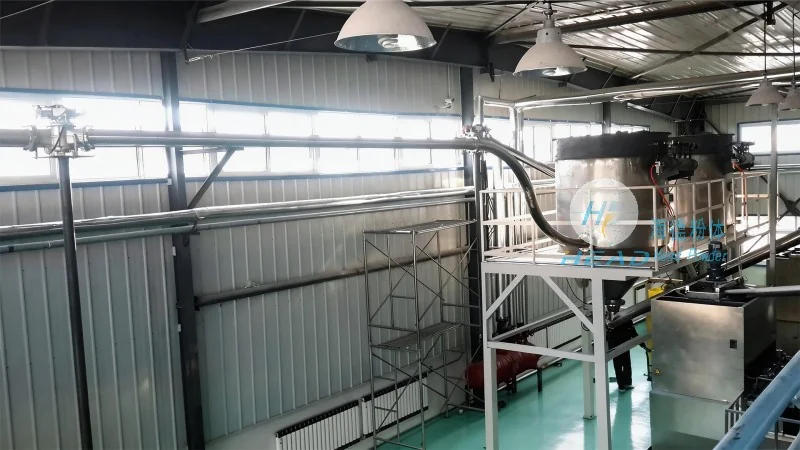
Introduction to High-Temperature Ash Pneumatic Conveying
High-temperature ash, often generated from coal combustion or other industrial processes, requires specialized handling due to its thermal properties and potential for abrasiveness. Pneumatic conveying systems are widely used to transport this material from the source to disposal or processing locations. The two primary approaches are negative pressure (or suction) conveying and positive pressure (or pressure) conveying. Each method has distinct characteristics that make it suitable for different operational scenarios and environmental conditions.
Company Profile: Shandong HeadPowder Engineering Co., Ltd.
As a leading provider of engineering solutions for bulk material handling, Shandong HeadPowder Engineering Co., Ltd. specializes in designing and implementing advanced pneumatic conveying systems. With operations based in Shandong, China, the company leverages decades of industry experience to deliver customized solutions tailored to the unique challenges of high-temperature ash transport. Their expertise spans system design, equipment selection, and installation, ensuring that clients achieve optimal performance and reliability in their material handling operations.
Advantages and Disadvantages of Negative Pressure Conveying for High-Temperature Ash
Negative pressure conveying, also known as suction conveying, operates by creating a low-pressure zone that draws material into the system. This method is particularly effective for handling high-temperature ash because it minimizes the risk of material being released into the environment, as the system draws material in rather than expelling it. One of the key advantages is the reduced risk of dust emissions, as the material is contained within the system from the source. Additionally, negative pressure systems are generally more energy-efficient for short to medium conveying distances, as they do not require high-pressure air to force material through the pipeline.
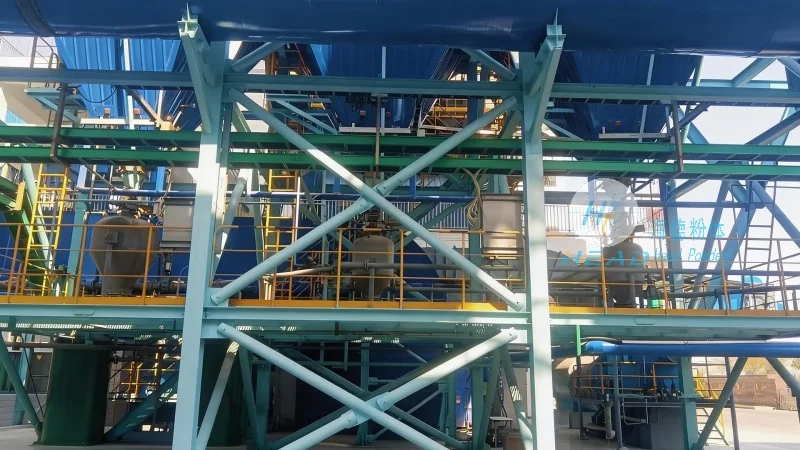
However, negative pressure conveying has several limitations. The primary drawback is the potential for backflow or material leakage if the system is not properly sealed or maintained. This can lead to environmental contamination and safety hazards. Another disadvantage is the lower conveying capacity compared to positive pressure systems, as the suction force is limited by the system's ability to create a sufficient pressure differential. Furthermore, negative pressure systems may require more complex filtration and cleaning procedures to prevent dust buildup in the suction lines, which can affect long-term system performance.
Advantages and Disadvantages of Positive Pressure Conveying for High-Temperature Ash
Positive pressure conveying, or pressure conveying, uses high-pressure air to push material through the pipeline. This method is often preferred for longer conveying distances and higher material loads. A significant advantage of positive pressure systems is their higher conveying capacity and ability to handle larger volumes of ash. The high-pressure air ensures that material is consistently pushed through the system, reducing the risk of clogging or blockages. Additionally, positive pressure systems are generally more straightforward to maintain, as they do not require complex suction mechanisms or extensive filtration for the entire system.
Despite these benefits, positive pressure conveying has notable drawbacks. The most critical issue is the increased risk of dust emissions and environmental contamination, as the system expels material under pressure. This can lead to regulatory compliance challenges and safety concerns, especially in areas with strict air quality standards. Another disadvantage is the higher energy consumption, as maintaining high-pressure air requires more power compared to negative pressure systems. Furthermore, positive pressure systems are more susceptible to wear and tear on components due to the constant high-pressure operation, potentially leading to higher maintenance costs over time.
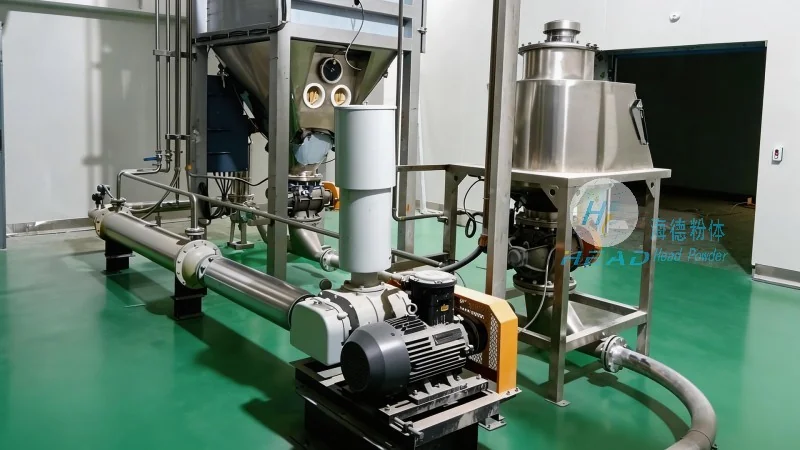
Key Considerations for Choosing Between Negative and Positive Pressure Conveying
The decision between negative and positive pressure conveying for high-temperature ash depends on several factors, including the distance of the conveying line, the volume of material to be transported, environmental regulations, and the specific operational requirements of the facility. For short to medium distances and applications where environmental containment is paramount, negative pressure conveying may be the preferred choice. Conversely, for longer distances or high-volume transport needs, positive pressure systems may offer better performance and efficiency.
Additionally, the material properties of the ash, such as its temperature, moisture content, and abrasiveness, play a crucial role in system selection. High-temperature ash, in particular, may require specialized equipment to handle thermal stress and prevent material degradation. Shandong HeadPowder Engineering Co., Ltd. offers customized solutions that consider these factors, ensuring that the chosen conveying method aligns with the client's operational goals and regulatory requirements.
Conclusion
In summary, both negative pressure and positive pressure conveying methods have distinct advantages and disadvantages when applied to high-temperature ash pneumatic transport. Negative pressure systems excel in environmental containment and energy efficiency for shorter distances, while positive pressure systems offer higher capacity and simplicity for longer transport needs. The optimal choice depends on a comprehensive evaluation of operational parameters, environmental constraints, and material characteristics. By leveraging the expertise of companies like Shandong HeadPowder Engineering Co., Ltd., industrial facilities can select and implement the most suitable conveying system to enhance efficiency, safety, and compliance in their high-temperature ash handling operations.