

Advantages and Disadvantages of Negative Pressure and Positive Pressure Conveying in Dry Powder Pneu
HeadPowder, a leading provider in the field of pneumatic conveying systems, specializes in the design, manufacturing, and installation of advanced dry powder handling solutions. With a strong presence in Shandong, China, the company has established itself as a trusted partner for industries requiring efficient and reliable material transport. The following analysis compares the key advantages and disadvantages of negative pressure and positive pressure conveying methods in dry powder applications.
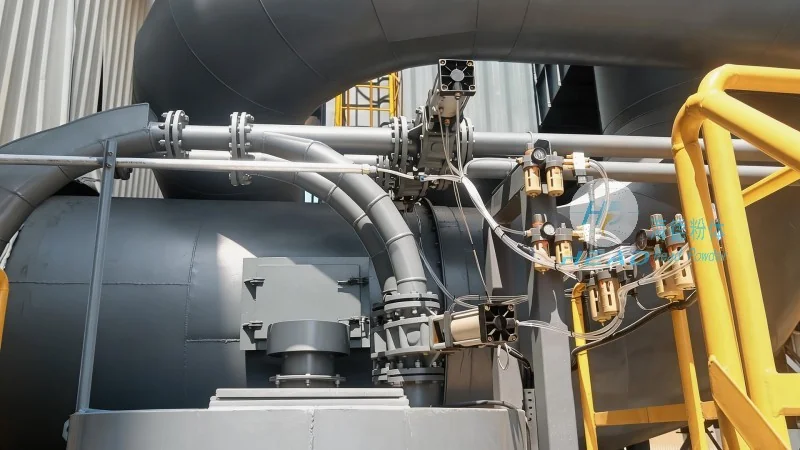
Comparing Negative Pressure and Positive Pressure Conveying in Dry Powder Systems
Negative Pressure Conveying: Advantages and Challenges
Negative pressure conveying, also known as vacuum conveying, operates by creating a lower pressure inside the conveying line compared to the ambient air pressure. This method draws material from the source into the system using a vacuum pump. One of the primary advantages of negative pressure systems is their ability to handle fine powders and dusts without causing excessive particle breakage. The gentle suction action minimizes product degradation, making it suitable for sensitive materials like pharmaceuticals, food powders, and chemicals. Additionally, negative pressure conveying can transport materials over longer distances with relatively lower energy consumption compared to some positive pressure systems. The system is also less likely to cause dust emissions at the discharge point, as the material is drawn into the line rather than expelled. However, negative pressure systems have limitations, particularly when dealing with high-volume or abrasive materials. The vacuum pump must handle larger volumes of air, which can lead to higher operational costs and maintenance requirements. Moreover, the system may struggle with conveying materials that are sticky or have high moisture content, as these can clog the suction line or reduce efficiency. Another challenge is the potential for backflow or contamination if the system is not properly sealed, as the lower pressure can draw in external air or contaminants.
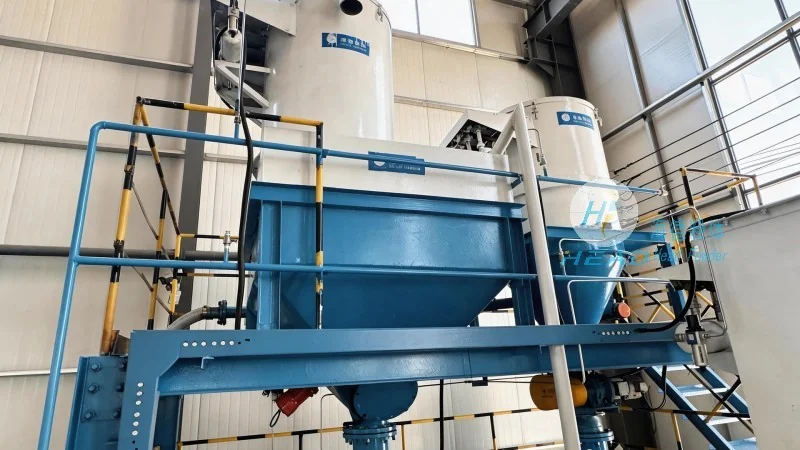
Positive Pressure Conveying: Benefits and Drawbacks
Positive pressure conveying, or pressure conveying, works by pressurizing the conveying line with air or gas, forcing material from the source to the destination. This method is particularly effective for handling bulk materials, including coarse powders, granules, and even some liquids when combined with appropriate equipment. A significant advantage of positive pressure systems is their ability to handle high-volume material flows efficiently. The pressurized air ensures consistent material transport, reducing the risk of blockages or uneven flow. This makes positive pressure suitable for applications requiring high throughput, such as in mining, cement, and chemical industries. Another benefit is the ability to convey materials over longer distances without significant pressure loss, as the system maintains a constant pressure throughout the line. Positive pressure conveying also allows for easier integration with other processing equipment, as the material is expelled from the line rather than drawn in. However, positive pressure systems have their drawbacks. The high pressure can cause particle breakage or degradation, especially for fragile or sensitive materials. The forceful expulsion of material may lead to increased wear on the system components, such as elbows and valves, requiring more frequent maintenance. Additionally, positive pressure systems are more prone to dust emissions at the discharge point, as the material is pushed out under pressure. This can create environmental and safety concerns, necessitating proper dust collection and ventilation systems. Furthermore, the energy consumption of positive pressure systems is generally higher than that of negative pressure systems, particularly for long-distance or high-volume applications.
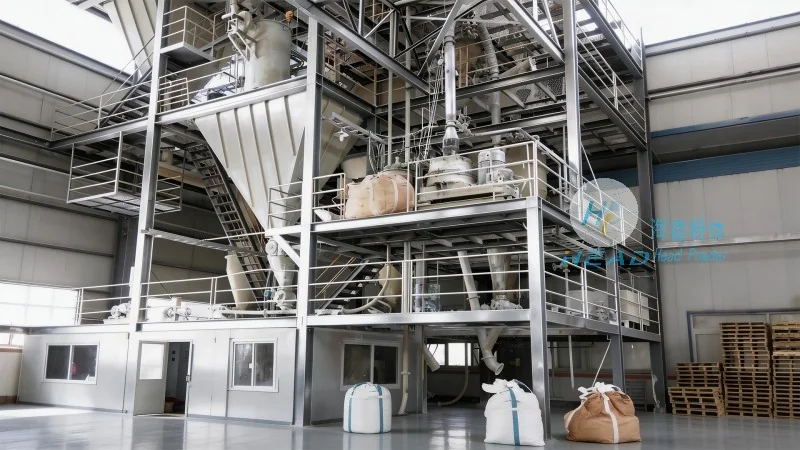
Choosing the Right Conveying Method for Your Application
When selecting between negative pressure and positive pressure conveying for dry powder applications, several factors must be considered. The choice depends on the material properties, such as particle size, moisture content, and abrasiveness, as well as the required conveying distance and volume. For fine, sensitive powders that require minimal degradation, negative pressure conveying is often the preferred option. Conversely, for bulk materials with high throughput requirements, positive pressure conveying may offer better performance and efficiency. It is also essential to evaluate the operational costs, including energy consumption and maintenance, as these can significantly impact the long-term viability of the system. Additionally, the environmental and safety considerations, such as dust control and system sealing, should be addressed to ensure compliance with regulations and protect personnel. By carefully analyzing these factors, industries can choose the most suitable conveying method to optimize their material handling processes and achieve efficient, reliable operation.