

Advantages and Disadvantages of Negative Pressure and Positive Pressure Pneumatic Conveying for Sorg
Sorghum, a versatile grain widely used in food, feed, and industrial applications, often requires efficient and reliable material handling during processing. Pneumatic conveying is a key technology for transporting sorghum, offering a dust-free and automated solution compared to traditional methods like bucket elevators or belt conveyors. This article provides a detailed comparison of negative pressure (suction) and positive pressure (blow) pneumatic conveying systems, highlighting their respective advantages and disadvantages for sorghum handling.
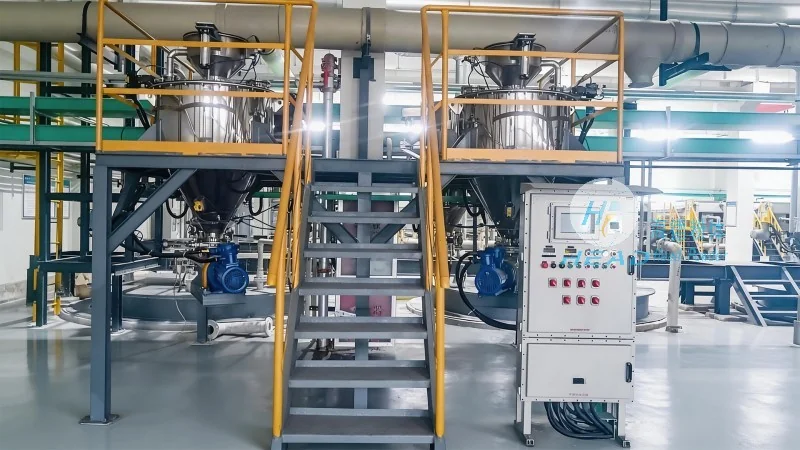
Understanding Negative Pressure Pneumatic Conveying
Negative pressure pneumatic conveying, also known as suction conveying, operates by creating a low-pressure zone at the material inlet to draw the sorghum particles into the conveying line. This method is particularly effective for handling fine or dusty materials, as it can capture and transport particles without generating excessive dust. The system typically includes a vacuum pump or fan at the receiving end, which pulls the material from the source into the pipeline.
One of the primary advantages of negative pressure conveying is its ability to handle materials from multiple sources simultaneously. By connecting multiple inlet points to a single vacuum system, operators can consolidate sorghum from various storage bins or silos into a central processing area. This flexibility is beneficial for large-scale operations where material is sourced from different locations. Additionally, negative pressure systems are generally more energy-efficient for short to medium conveying distances, as they require less power to maintain the vacuum compared to high-pressure blow systems.
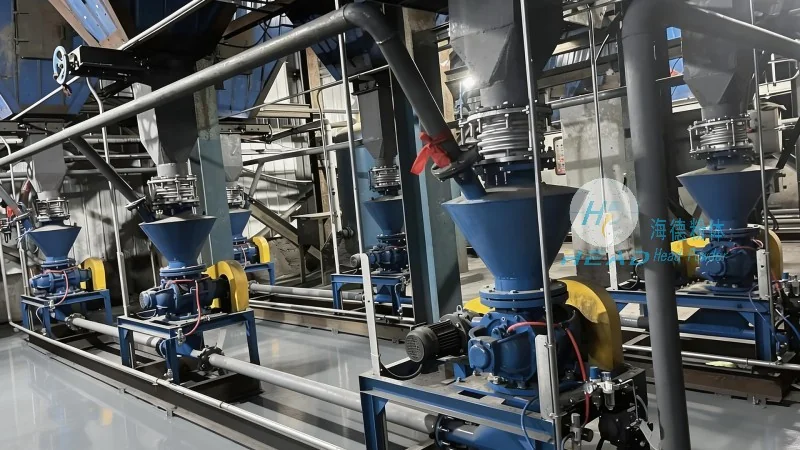
However, negative pressure conveying also has notable drawbacks. The most significant limitation is its lower conveying capacity compared to positive pressure systems. The suction force is limited by the vacuum pump's capability, which restricts the volume of sorghum that can be transported per unit time. This can lead to longer processing times for large batches of sorghum. Another disadvantage is the potential for material degradation due to the longer residence time in the pipeline. Sorghum particles may experience increased friction and abrasion, potentially affecting their quality, especially for high-value products like food-grade sorghum. Furthermore, negative pressure systems are more susceptible to blockages and clogging, as the low pressure may not effectively dislodge accumulated material from the pipeline walls.
Exploring Positive Pressure Pneumatic Conveying
Positive pressure pneumatic conveying, or blow conveying, works by generating high-pressure air at the material inlet, which pushes the sorghum particles through the conveying line. This method is ideal for handling bulk materials over longer distances and at higher capacities. The system utilizes a blower or compressor to deliver compressed air, which propels the sorghum through the pipeline to the destination point.
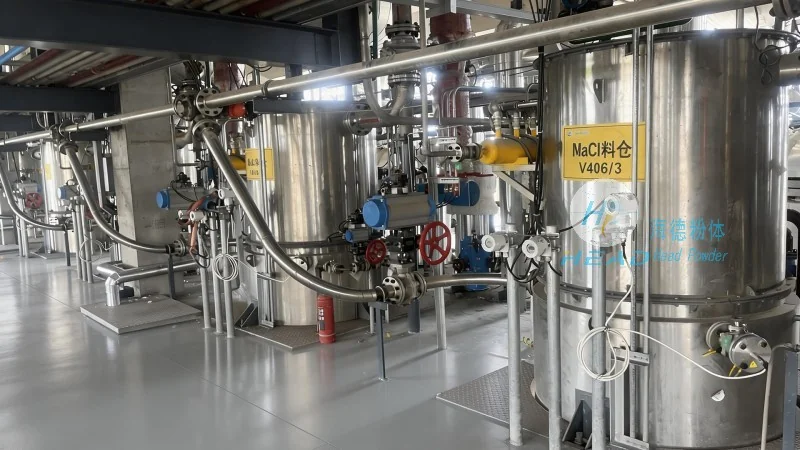
A key advantage of positive pressure conveying is its high conveying capacity and ability to transport sorghum over long distances without significant pressure loss. The high-pressure air ensures that the material moves efficiently through the pipeline, even with bends and changes in elevation. This makes it suitable for large-scale operations where sorghum needs to be transported from storage silos to processing facilities or between different production lines. Additionally, positive pressure systems are less prone to clogging compared to negative pressure systems, as the high pressure helps to dislodge any accumulated material from the pipeline walls.
Nevertheless, positive pressure conveying has its own set of challenges. The most notable drawback is the higher energy consumption compared to negative pressure systems. The blower or compressor requires more power to maintain the high pressure, which increases operational costs, especially for continuous operations. Another disadvantage is the potential for material degradation due to the high velocity of the air and particles. Sorghum particles may experience increased friction and impact, leading to breakage or damage, particularly for delicate or high-value products. Furthermore, positive pressure systems may generate more dust and noise, which can affect the working environment and require additional dust control measures.
Comparative Analysis: Negative vs. Positive Pressure Conveying
When comparing negative and positive pressure pneumatic conveying for sorghum, several factors must be considered to determine the most suitable system for a specific application. The choice between the two depends on the conveying distance, material characteristics, required capacity, and operational environment.
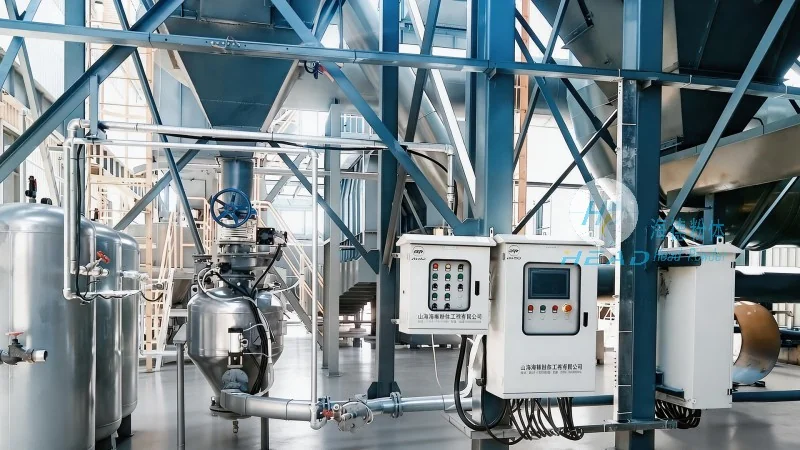
For short to medium conveying distances (typically up to 50 meters) and low to medium capacities, negative pressure conveying is often the preferred option due to its energy efficiency and lower initial cost. It is particularly suitable for handling fine or dusty sorghum where dust control is a priority. However, for longer distances (over 50 meters) and high capacities, positive pressure conveying is more advantageous due to its higher capacity and ability to maintain pressure over longer runs.
Material characteristics also play a crucial role in the selection. Negative pressure systems are better suited for materials that are prone to clogging or have high dust content, as the suction action helps to draw material into the pipeline without excessive friction. Positive pressure systems, on the other hand, are more effective for handling coarse or abrasive sorghum, as the high pressure helps to move larger particles without causing excessive wear on the pipeline or components.