

Advantages and Disadvantages of Negative Pressure and Positive Pressure Pneumatic Conveying in Coffe
When it comes to the efficient and reliable transportation of coffee beans and other granular materials, pneumatic conveying systems play a crucial role in modern processing facilities. Two primary methods dominate the industry: negative pressure (or vacuum) conveying and positive pressure conveying. Each approach offers distinct advantages and challenges, making the choice between them a critical decision for coffee producers and processors. This article provides a detailed comparison of negative pressure versus positive pressure pneumatic conveying, highlighting their respective strengths, weaknesses, and ideal applications.
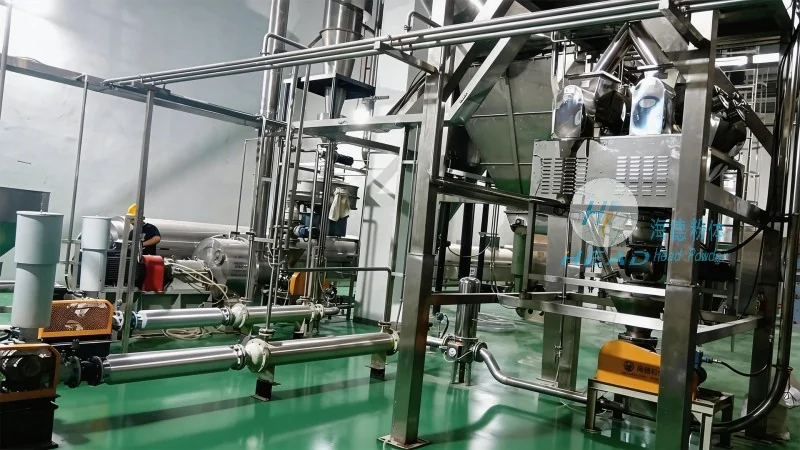
Introduction to Pneumatic Conveying in Coffee Processing
Pneumatic conveying systems utilize air or gas to transport bulk materials like coffee beans, grounds, or other granular products through a network of pipes. This method eliminates the need for mechanical components such as buckets, belts, or screws, reducing maintenance costs and increasing operational efficiency. The choice between negative pressure and positive pressure systems depends on factors like material characteristics, system layout, and the desired level of control over the conveying process.
HeadPowder: Your Trusted Partner in Pneumatic Conveying Solutions
Shandong HeadPowder Engineering Co., Ltd., a leading manufacturer based in China, specializes in designing and supplying high-quality pneumatic conveying equipment tailored to the unique needs of the coffee industry. With years of experience and a commitment to innovation, HeadPowder delivers customized solutions that enhance productivity, ensure product integrity, and minimize operational risks. The company’s expertise spans the entire range of pneumatic conveying technologies, including both negative and positive pressure systems, allowing clients to select the most suitable approach for their specific requirements.
Negative Pressure (Vacuum) Pneumatic Conveying: How It Works and Its Key Features
Negative pressure conveying operates by creating a vacuum at the receiving end of the system, drawing material from the source into the pipeline. The process typically involves a vacuum pump that pulls air and material through the system, with the material being separated from the air at the destination. This method is particularly effective for conveying materials from multiple points to a single collection point, as it can handle long distances and multiple pick-up locations without the need for additional equipment at each source.
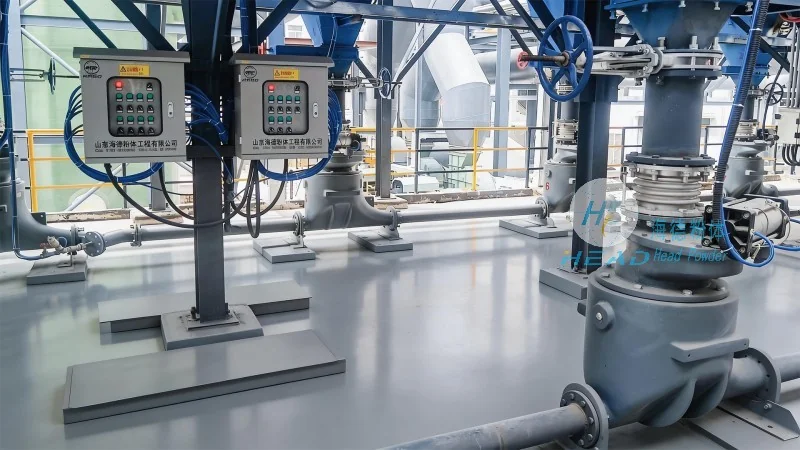
One of the primary advantages of negative pressure conveying is its ability to handle fine or dusty materials without causing excessive wear on the system components. The vacuum environment helps to minimize material degradation and ensures that the product remains in its original state. Additionally, this method is generally more energy-efficient for short to medium distances, as the vacuum pump operates at lower pressures compared to positive pressure systems.
However, negative pressure conveying has several limitations that must be considered. The system is more susceptible to clogging, especially with wet or sticky materials, as the vacuum can draw in air and moisture that may adhere to the product. This can lead to blockages in the pipeline, requiring regular maintenance and cleaning. Furthermore, the vacuum pump requires more maintenance than its positive pressure counterpart, as it operates under higher stress conditions. Another drawback is the lower conveying capacity compared to positive pressure systems, which may limit its use in high-volume applications.
Positive Pressure Pneumatic Conveying: Mechanism and Advantages
Positive pressure conveying, on the other hand, uses a blower or compressor to generate pressure at the source end of the system, pushing material through the pipeline. The material is typically separated from the air at the discharge point, often using a cyclone or other separation equipment. This method is ideal for conveying materials from a single source to multiple destinations, as the pressure can be directed to different locations without the need for additional vacuum pumps.
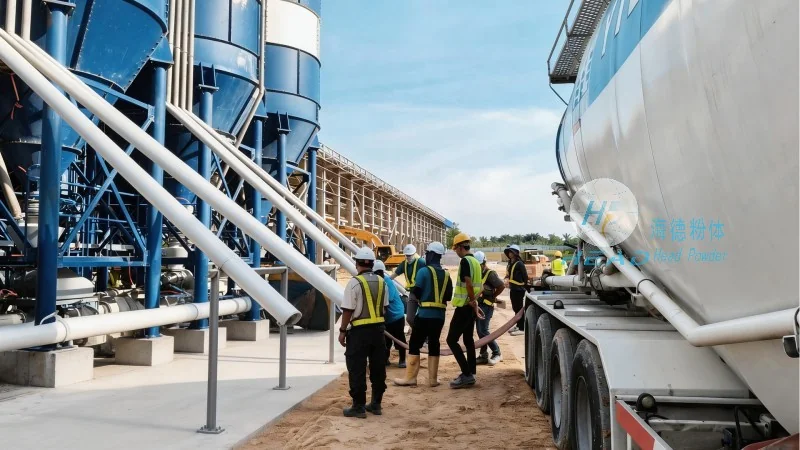
A key advantage of positive pressure systems is their higher conveying capacity and ability to handle larger volumes of material. This makes them suitable for high-throughput applications, such as large-scale coffee processing plants. The positive pressure environment also helps to prevent material degradation by maintaining a consistent flow and reducing the risk of clogging, as the material is continuously pushed through the system rather than being pulled.
However, positive pressure conveying has its own set of challenges. The higher pressure required can lead to increased energy consumption, making it less efficient for long-distance applications. Additionally, the system is more prone to wear and tear on components due to the constant pressure and friction. Another consideration is the potential for material degradation if the air velocity is too high, as this can cause the product to break down or lose its quality. Furthermore, the system may require more complex separation equipment at the discharge point to ensure that the material is properly collected and the air is filtered.
Comparing Negative and Positive Pressure Conveying: Which Is Right for Your Coffee Operation?
When deciding between negative and positive pressure pneumatic conveying, several factors must be evaluated to determine the most suitable option. The first consideration is the material being conveyed. Fine, dusty, or sticky materials may be better suited for negative pressure systems due to their ability to handle such characteristics without excessive clogging. In contrast, larger or more abrasive materials may benefit from the higher capacity and reduced clogging risk of positive pressure systems.
The system layout and distance are also critical factors. Negative pressure systems are often preferred for applications involving multiple pick-up points and relatively short to medium distances, as they can efficiently draw material from various sources to a central collection point. Positive pressure systems, however, are more suitable for long-distance conveying or when material needs to be distributed to multiple destinations from a single source.
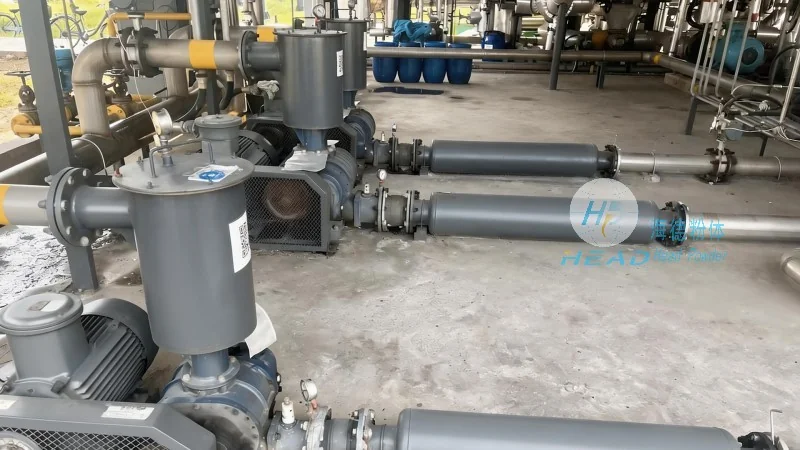
Energy efficiency and operational costs are another important consideration. Negative pressure systems generally consume less energy for short distances, making them cost-effective for smaller operations or applications with limited material volume. Positive pressure systems, while more energy-intensive, may be justified for high-volume operations where the increased capacity and reduced maintenance requirements outweigh the higher energy costs.
Finally, the overall system complexity and maintenance requirements should be weighed. Negative pressure systems may require more frequent maintenance of the vacuum pump and pipeline cleaning, while positive pressure systems may need more robust components to withstand higher pressures. The choice ultimately depends on the specific needs of the coffee processing facility, including production volume, material characteristics, and budget constraints.
Conclusion: Making an Informed Decision with HeadPowder
Choosing between negative pressure and positive pressure pneumatic conveying is a decision that impacts the efficiency, productivity, and quality of coffee processing operations. By understanding the unique advantages and disadvantages of each method, coffee producers can select the most appropriate system for their needs. Shandong HeadPowder Engineering Co., Ltd. offers expert guidance and customized solutions to help clients navigate this decision, ensuring that their pneumatic conveying system maximizes performance while minimizing operational risks.