

Comparison of Advantages and Disadvantages of Negative Pressure and Positive Pressure Conveying in F
Foam pneumatic conveying is a specialized method used in material handling to transport bulk solids through a pipeline using a mixture of air and foam. This technique is widely adopted in industries such as food processing, pharmaceuticals, and chemical manufacturing due to its ability to handle delicate materials without causing damage or contamination. The core of this technology lies in the two primary conveying modes: negative pressure (suction) and positive pressure (blow) systems. Understanding the advantages and disadvantages of each mode is crucial for selecting the most suitable system for specific applications.
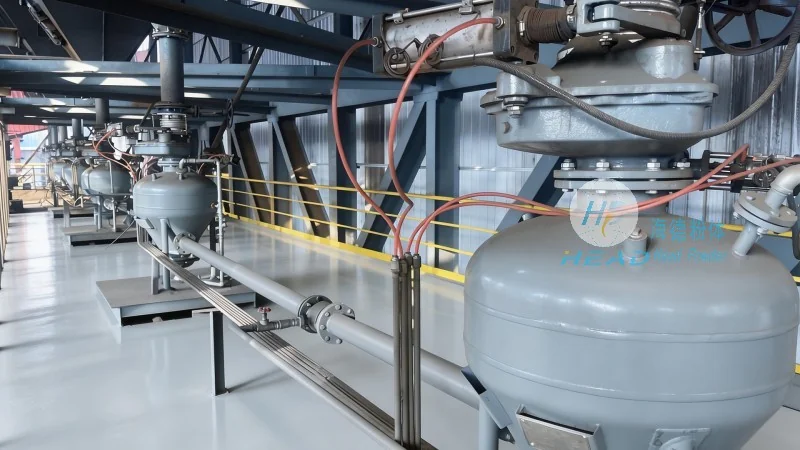
Advantages and Disadvantages of Negative Pressure Conveying
Negative pressure conveying, also known as suction conveying, operates by creating a vacuum at the material inlet to draw the material into the pipeline. This method offers several benefits, including lower energy consumption compared to positive pressure systems, as it relies on the natural movement of air and material under vacuum conditions. Additionally, negative pressure systems are generally more cost-effective for short to medium-distance conveying, as they require less powerful blowers and smaller equipment. Another key advantage is the reduced risk of material spillage or dust emission at the inlet, as the vacuum seal helps contain the material. However, negative pressure conveying has notable drawbacks. The primary limitation is its lower conveying capacity compared to positive pressure systems, making it less suitable for long-distance or high-volume material transport. Furthermore, the system is more susceptible to clogging and blockages, especially with sticky or cohesive materials, as the vacuum may not effectively break down agglomerates. Maintenance requirements are also higher due to the need for regular cleaning of the suction inlet and associated components.
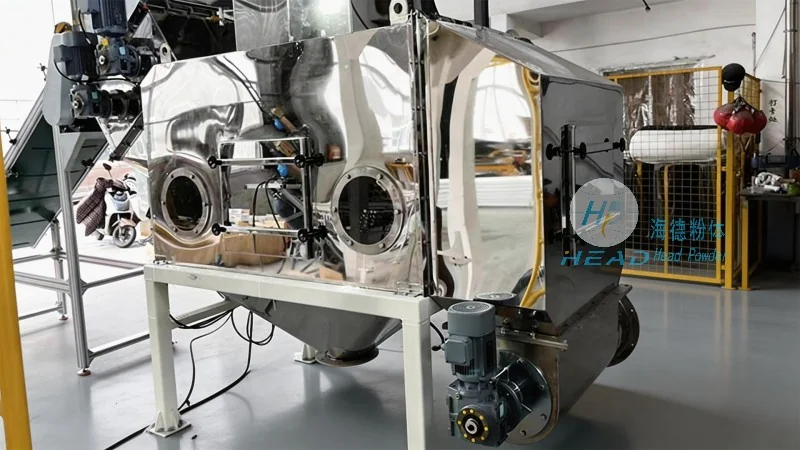
Advantages and Disadvantages of Positive Pressure Conveying
Positive pressure conveying, or blow conveying, uses compressed air to push the material through the pipeline. This method is characterized by higher conveying capacities and is ideal for long-distance or high-volume applications. The primary advantage of positive pressure systems is their superior ability to handle abrasive or heavy materials, as the compressed air provides sufficient force to move even dense solids. Another key benefit is the reduced risk of material degradation, as the system operates at lower temperatures compared to some other conveying methods. Positive pressure conveying also allows for easier integration with other processing equipment, as the outlet is typically under pressure, facilitating direct material transfer to storage or processing units. Despite these benefits, positive pressure systems have significant disadvantages. The most notable drawback is higher energy consumption, as they require powerful blowers and larger compressed air systems, leading to increased operational costs. Additionally, positive pressure conveying can cause higher levels of dust emission and material spillage at the outlet, as the high-pressure air may dislodge particles from the material. Maintenance is also more complex, as the equipment is subject to higher wear and tear from the constant high-pressure air flow, requiring more frequent inspections and replacements of components like seals and filters.
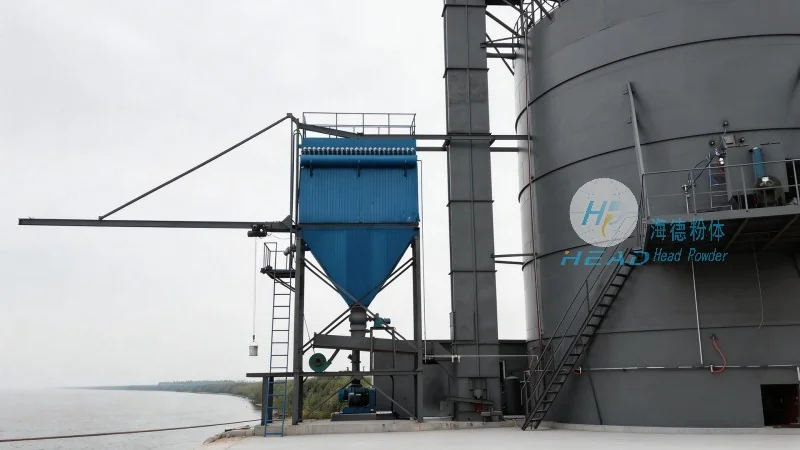
Factors Influencing the Choice Between Negative and Positive Pressure Conveying
The decision between negative and positive pressure conveying depends on several key factors, including the nature of the material being conveyed, the distance and volume requirements, and the available infrastructure. For materials that are sensitive to pressure or temperature, negative pressure systems may be preferred to minimize damage. Conversely, for heavy or abrasive materials that require high conveying rates over long distances, positive pressure systems are more suitable. The cost of equipment and operational expenses also play a critical role, as negative pressure systems are generally more economical for shorter distances, while positive pressure systems offer better performance for longer runs. Additionally, the layout of the facility and the presence of existing compressed air systems can influence the choice, as positive pressure systems may leverage existing infrastructure, reducing initial setup costs.
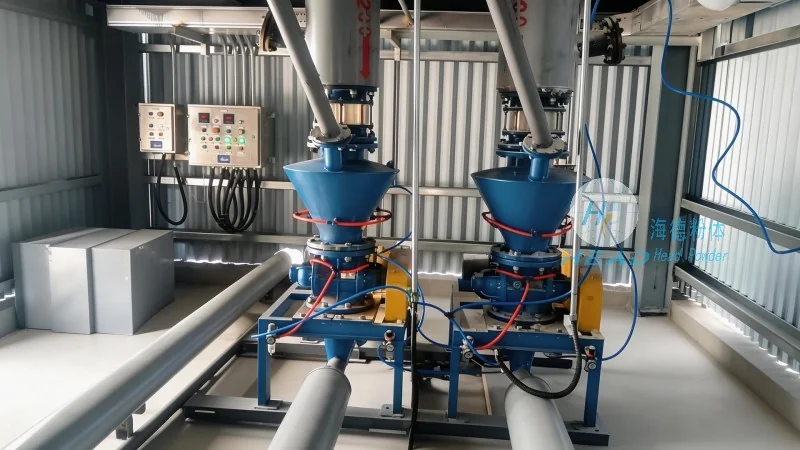
About Shandong HeadPowder Engineering Co., Ltd.
Shandong HeadPowder Engineering Co., Ltd., commonly known as HeadPowder, is a leading manufacturer specializing in foam pneumatic conveying systems. With a focus on innovation and quality, HeadPowder provides comprehensive solutions for material handling challenges in various industries. The company’s headquarters is located in Shandong, China, and it serves clients globally with customized conveying systems tailored to specific operational needs. HeadPowder’s expertise in both negative and positive pressure technologies allows it to offer optimal solutions for diverse applications, ensuring efficient and reliable material transport while minimizing downtime and maintenance costs.