

Comparison of Negative Pressure vs. Positive Pressure Conveying in Synthetic Fiber Pneumatic Systems
HeadPowder, a leading provider of engineering solutions, specializes in the design and implementation of pneumatic conveying systems for synthetic fibers. This article provides a detailed comparison of negative pressure and positive pressure conveying methods, highlighting their respective advantages and disadvantages to help industry professionals make informed decisions when selecting the most suitable system for their operations.
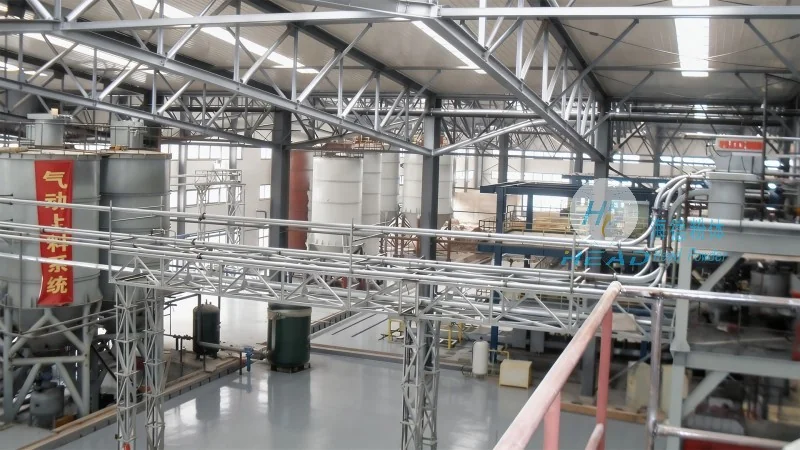
Introduction to Pneumatic Conveying Systems for Synthetic Fibers
Pneumatic conveying is a widely used method for transporting synthetic fibers due to its efficiency, flexibility, and ability to handle a variety of materials. The two primary methods are negative pressure (or suction) conveying and positive pressure (or pressure) conveying. Each method has unique characteristics that make it suitable for different applications, and understanding these differences is crucial for optimizing material handling processes.
Company Overview: HeadPowder Engineering
HeadPowder Engineering Co., Ltd., headquartered in Shandong, China, is a reputable company dedicated to delivering high-quality engineering solutions for material handling and processing. With years of experience in the industry, HeadPowder has developed expertise in designing and manufacturing pneumatic conveying systems tailored to the specific needs of synthetic fiber manufacturers. The company's commitment to innovation and customer satisfaction has established it as a trusted partner in the field.
Negative Pressure Conveying in Synthetic Fiber Applications
Negative pressure conveying, also known as suction conveying, operates by creating a vacuum at the material inlet to draw fibers into the system. This method is particularly effective for handling fine or dusty materials, as it can capture particles from the environment without generating excessive dust. One of the key advantages of negative pressure systems is their ability to maintain a clean and controlled environment at the material source, reducing the risk of contamination and improving workplace safety. Additionally, negative pressure conveying is often more energy-efficient compared to positive pressure systems, as it requires less power to operate.
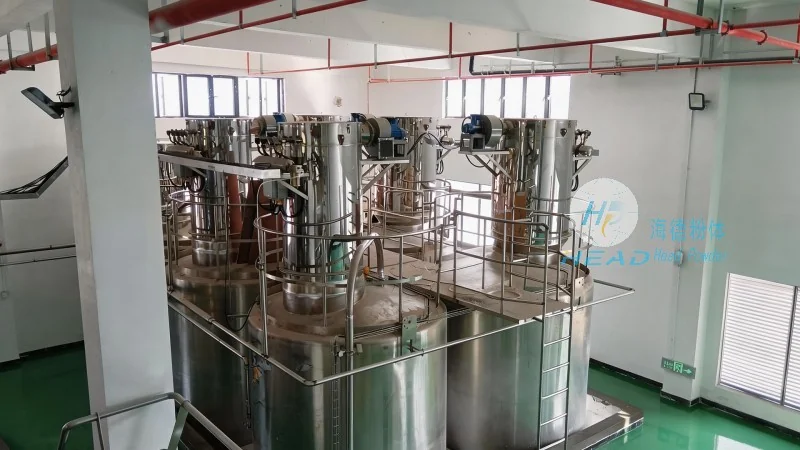
However, negative pressure conveying also has several limitations. The primary drawback is the potential for system backflow, where air and material can be drawn back into the source, leading to material loss and increased maintenance. This issue is more pronounced with abrasive or high-density fibers, which can cause wear on the system components. Another challenge is the need for effective filtration and dust collection systems to prevent particulate matter from entering the vacuum pump and other equipment. Despite these challenges, negative pressure conveying remains a popular choice for applications where material cleanliness and low energy consumption are critical factors.
Positive Pressure Conveying in Synthetic Fiber Applications
Positive pressure conveying, or pressure conveying, works by forcing air and material through the system using a blower or compressor. This method is ideal for transporting larger quantities of material over longer distances and is particularly effective for handling bulk materials with higher moisture content or larger particle sizes. One of the main advantages of positive pressure systems is their ability to handle a wider range of materials, including those that are more abrasive or prone to caking. The pressurized environment also helps to prevent material degradation and maintain product quality during transport.
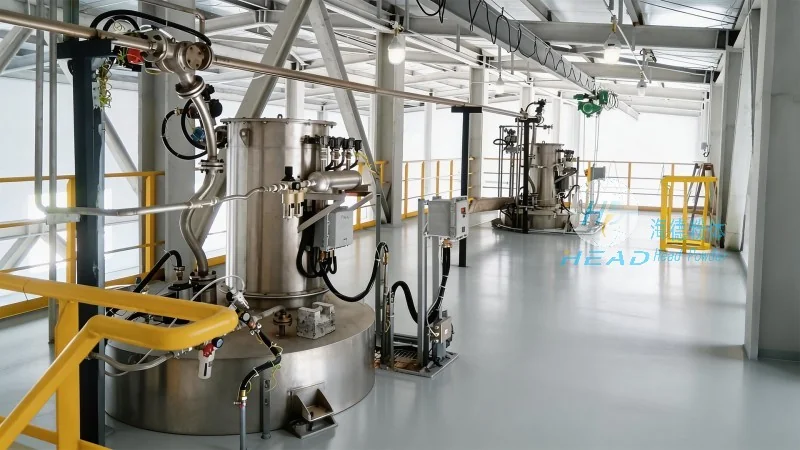
However, positive pressure conveying has its own set of disadvantages. The most significant drawback is the higher energy consumption compared to negative pressure systems, as it requires more power to maintain the pressure. This can increase operational costs, especially for large-scale operations. Additionally, positive pressure systems generate more dust and noise, which may require additional environmental controls and noise reduction measures. Another challenge is the potential for material buildup in the system, particularly with sticky or cohesive fibers, which can lead to blockages and increased maintenance requirements. Despite these challenges, positive pressure conveying is often preferred for applications where high throughput and long-distance transport are essential.
Key Factors to Consider When Choosing Between Negative and Positive Pressure Conveying
When selecting between negative and positive pressure conveying systems for synthetic fiber applications, several factors must be considered to ensure optimal performance and cost-effectiveness. The first factor is the material characteristics, including particle size, density, moisture content, and abrasiveness. Fine, light materials are often better suited for negative pressure systems, while bulkier or more abrasive materials may require positive pressure systems. The second factor is the distance and layout of the conveying system. Longer distances or complex layouts may necessitate positive pressure systems due to their ability to maintain pressure over extended lengths. The third factor is the environmental and safety requirements. Negative pressure systems are preferred for applications where dust control and workplace safety are paramount, while positive pressure systems may be more suitable for operations where noise and dust are less of a concern.
Conclusion
Both negative pressure and positive pressure conveying methods have their unique advantages and disadvantages when used in synthetic fiber applications. Negative pressure systems excel in terms of energy efficiency and material cleanliness, making them ideal for fine or dusty materials and applications where dust control is critical. Positive pressure systems, on the other hand, offer higher throughput and the ability to handle a wider range of materials, making them suitable for bulkier or more abrasive fibers and long-distance transport. The choice between the two methods ultimately depends on the specific requirements of the application, including material characteristics, operational distance, and environmental considerations. HeadPowder Engineering Co., Ltd. provides expert guidance and customized solutions to help clients select the most appropriate pneumatic conveying system for their synthetic fiber processing needs, ensuring efficient and reliable material handling operations.