

Comparison of Advantages and Disadvantages of Negative Pressure and Positive Pressure Conveying in F
Fiber pneumatic conveying is a critical process in various industrial applications, particularly for transporting fibrous materials such as wood chips, paper pulp, and textile fibers. The choice between negative pressure (suction) and positive pressure (blow) conveying systems significantly impacts operational efficiency, material handling costs, and system reliability. This article provides a detailed comparison of the advantages and disadvantages of negative pressure and positive pressure conveying in the context of fiber material transport, with a focus on practical considerations for industrial users.
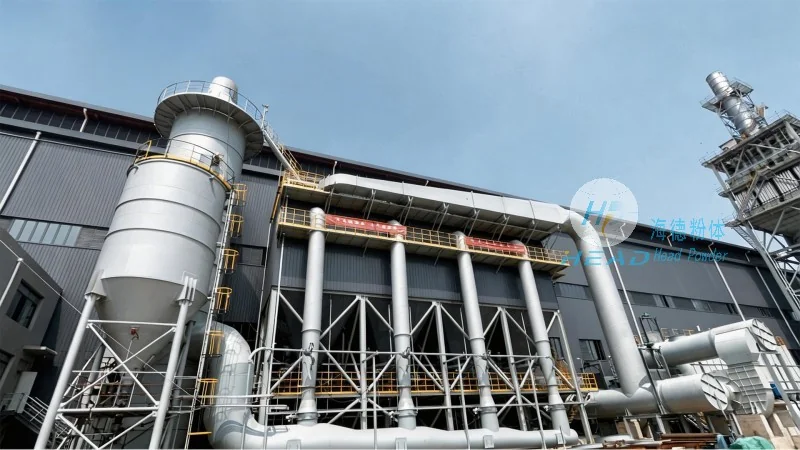
Introduction to Fiber Pneumatic Conveying Systems
Fiber pneumatic conveying systems utilize air to transport solid materials through a pipeline. The primary goal is to move fibrous materials from a source to a destination efficiently while minimizing material degradation and system wear. Two main approaches dominate this field: negative pressure (suction) conveying and positive pressure (blow) conveying. Each method has distinct characteristics that make it suitable for specific applications, and understanding their trade-offs is essential for selecting the optimal system.
Negative Pressure (Suction) Conveying Systems
Negative pressure conveying, also known as vacuum conveying, operates by creating a low-pressure environment at the material intake point. This draws the material into the pipeline using a vacuum pump. The system typically features a hopper or feeder at the intake, where the material is fed into the pipeline as air is drawn through it. The key advantages of negative pressure systems include gentle material handling, which is crucial for delicate fibrous materials that are prone to breakage or damage. The low-pressure environment reduces the risk of material abrasion and maintains the integrity of the fibers.
Another significant advantage is the ability to convey materials over longer distances with fewer transfer points compared to positive pressure systems. Negative pressure systems are often more energy-efficient for short to medium distances, as the vacuum pump operates at lower pressures. However, there are notable disadvantages. The primary drawback is the limited conveying capacity, as the system can only handle a certain volume of material at a time due to the vacuum pump's output. This can lead to slower throughput rates, especially for high-volume applications. Additionally, negative pressure systems are more susceptible to clogging and blockages, particularly with fibrous materials that can form mats or clumps in the pipeline. Maintenance requirements are higher, as the vacuum pump and associated components need regular cleaning and inspection to prevent material buildup.

Positive Pressure (Blow) Conveying Systems
Positive pressure conveying, or pressure conveying, works by blowing air through the pipeline using a blower or compressor. The material is fed into the pipeline from a hopper or feeder, and the high-pressure air propels the material forward. This method is generally more suitable for longer conveying distances and higher material volumes. The advantages of positive pressure systems include higher conveying capacities and the ability to handle abrasive or heavy materials without significant degradation. The high-pressure environment can break up clumps and maintain material flow, reducing the risk of clogging. Positive pressure systems are also more energy-efficient for long distances, as the blower can operate at higher pressures to overcome friction and elevation changes.
However, positive pressure systems have their own set of disadvantages. The primary concern is the potential for material degradation due to the high-velocity air and friction within the pipeline. Fibrous materials may experience breakage or fiber length reduction, which can impact downstream processes such as papermaking or textile production. The system is also more prone to wear and tear on components like the blower, pipeline, and valves due to the high-pressure air and abrasive materials. Maintenance costs are higher, as parts need to be replaced more frequently to prevent leaks and system failures. Additionally, positive pressure systems require more complex filtration and cleaning systems to prevent material buildup in the blower and pipeline.
Key Considerations for Choosing Between Systems
When selecting between negative and positive pressure conveying systems for fiber materials, several factors must be considered. The first is the material characteristics, including fiber length, density, and abrasiveness. Delicate fibers, such as those used in paper pulp or textile production, are better suited for negative pressure systems due to their gentle handling. In contrast, heavier or more abrasive materials, like wood chips or industrial waste fibers, may benefit from positive pressure systems to maintain flow and prevent clogging.
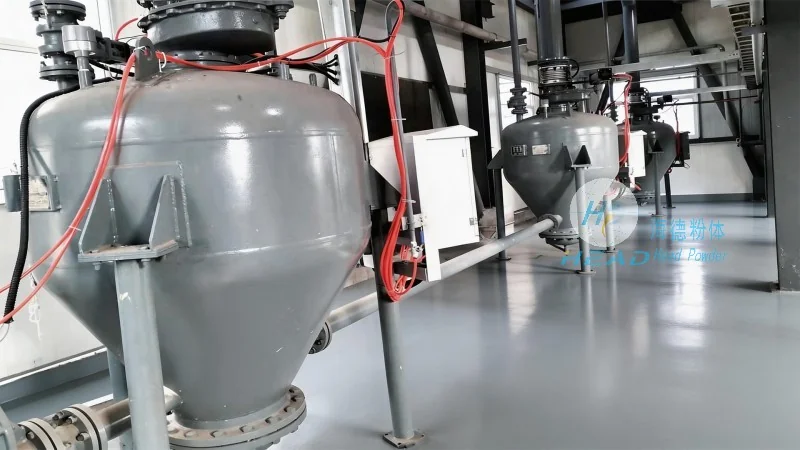
The second factor is the conveying distance and volume requirements. For short to medium distances and low to medium material volumes, negative pressure systems are often more cost-effective and efficient. For longer distances or high-volume applications, positive pressure systems are typically preferred due to their higher capacity and ability to handle greater distances without additional transfer points.
The third consideration is the system's energy efficiency and operational costs. Negative pressure systems are generally more energy-efficient for short distances, while positive pressure systems are more efficient for long distances. The choice should be based on the specific operational needs and the cost of electricity in the region. Additionally, the initial investment and maintenance costs must be evaluated. Negative pressure systems may have lower initial costs but higher maintenance due to the vacuum pump, while positive pressure systems have higher initial costs but potentially lower maintenance over time for high-volume applications.
Conclusion
In conclusion, both negative pressure and positive pressure conveying systems have distinct advantages and disadvantages in fiber pneumatic conveying. The optimal choice depends on the specific application requirements, including material characteristics, conveying distance, and operational costs. For delicate fibrous materials and shorter distances, negative pressure systems offer gentle handling and lower energy costs. For longer distances, higher material volumes, or more abrasive materials, positive pressure systems provide higher capacity and better flow control. Industrial users should carefully evaluate these factors and consider the long-term operational costs to select the most suitable conveying system.