

Comparison of Negative Pressure vs. Positive Pressure Pneumatic Conveying in Pigment Handling
HeadPowder, a leading provider of pneumatic conveying solutions, specializes in optimizing material handling processes for industries that rely on pigments. In this detailed analysis, we explore the key differences between negative pressure and positive pressure systems, focusing on their respective advantages and disadvantages as applied to pigment handling applications.
Understanding Pneumatic Conveying Systems
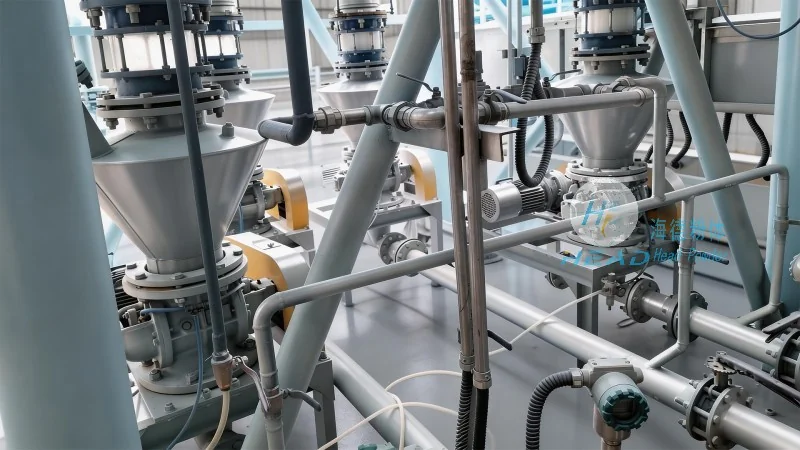
Pneumatic conveying is a critical technology in the pigment industry, enabling the efficient transport of dry powders and granules from one location to another without the need for mechanical components like conveyor belts or buckets. The two primary methods—negative pressure (or vacuum) and positive pressure—differ fundamentally in how they generate the airflow required to move materials. Negative pressure systems create a vacuum at the material inlet, drawing particles into the system, while positive pressure systems force air through the material, pushing it forward.
Advantages of Negative Pressure Pneumatic Conveying
For pigment handling, negative pressure systems offer several benefits. First, they are generally more cost-effective to install and maintain, as they require less robust equipment and can often use existing ductwork. This makes them an attractive option for facilities with limited budgets or existing infrastructure that can be adapted. Additionally, negative pressure systems are less likely to cause dust explosions, as the material is drawn into the system rather than being forced out, reducing the risk of ignition in the presence of combustible pigments. This safety advantage is particularly important in environments where explosive dust hazards are a concern.
Another key benefit is the ability to handle materials with high moisture content or those that are prone to caking. The vacuum created by negative pressure helps to break up agglomerates and maintain a consistent flow rate, ensuring that pigments remain in a free-flowing state throughout the conveying process. This is especially valuable for pigments that are sensitive to pressure or temperature changes, as negative pressure systems operate at lower pressures compared to their positive counterparts.
Disadvantages of Negative Pressure Pneumatic Conveying
Despite their advantages, negative pressure systems have notable drawbacks. The primary limitation is their limited conveying distance and capacity. Due to the vacuum effect, the system can only transport materials over short distances (typically up to 100 meters) and at relatively low flow rates. This restricts their use in large-scale operations where long-distance transport is required. Furthermore, negative pressure systems are more susceptible to blockages and clogs, as the vacuum can draw in foreign materials or cause particles to adhere to the duct walls, leading to system downtime and maintenance challenges.
Another disadvantage is the potential for material degradation. The high velocity of air in negative pressure systems can cause abrasion and attrition of pigments, especially for delicate or fine particles. This can result in a loss of quality, such as reduced color strength or increased particle size, which is unacceptable for high-performance pigments used in coatings, inks, or plastics. Additionally, the system's reliance on vacuum can make it more complex to seal and maintain, as any leaks in the ductwork can compromise the vacuum and reduce conveying efficiency.
Advantages of Positive Pressure Pneumatic Conveying
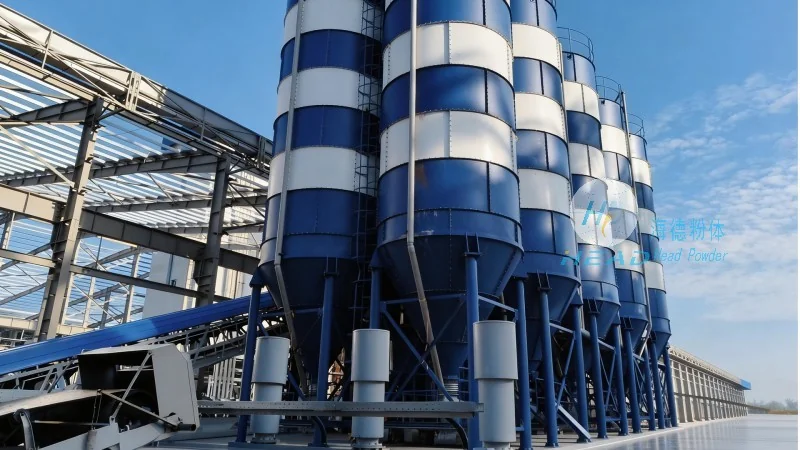
Positive pressure systems, on the other hand, excel in applications requiring longer conveying distances and higher material throughput. By forcing air through the material, these systems can transport pigments over distances of up to several hundred meters and at significantly higher flow rates, making them ideal for large-scale production facilities. The positive pressure also provides better control over the material's velocity and pressure, allowing for precise regulation of the conveying process to match production demands.
A key advantage is the ability to handle a wider range of materials, including those that are abrasive or have high moisture content. The forced air in positive pressure systems can effectively break up agglomerates and prevent caking, ensuring consistent flow even for challenging pigments. This makes positive pressure systems more versatile for handling various pigment types, from fine inorganic pigments to larger organic pigments used in plastics.
Furthermore, positive pressure systems are generally more reliable in terms of material transport. The constant pressure ensures that the material moves continuously through the ductwork, reducing the risk of blockages and system downtime. This reliability is crucial for continuous production lines where interruptions can lead to significant losses. Additionally, the system's design allows for easier integration with other processing equipment, such as mixers or dryers, as the positive pressure can be used to feed materials directly into these units without the need for additional transfer mechanisms.
Disadvantages of Positive Pressure Pneumatic Conveying
However, positive pressure systems come with their own set of disadvantages. The most significant drawback is the higher cost of installation and maintenance. The equipment required, such as high-pressure blowers and robust ductwork, is more expensive than that used in negative pressure systems. This increased capital expenditure can be a barrier for smaller operations or those with tight budgets. Additionally, positive pressure systems pose higher safety risks, particularly regarding dust explosions. The forced air can create an oxygen-rich environment in the ductwork, increasing the likelihood of ignition if the system is not properly designed with explosion-proof components.
Another disadvantage is the potential for material degradation due to higher pressure and velocity. The high-velocity air in positive pressure systems can cause more abrasion and attrition of pigments, similar to negative pressure systems, but the effect is more pronounced at higher pressures. This can lead to a loss of pigment quality, such as reduced color intensity or increased particle size, which may not meet the specifications for high-performance applications. Furthermore, the system's reliance on high-pressure air can make it more challenging to seal and maintain, as any leaks can result in air loss and reduced conveying efficiency.
Choosing the Right System for Pigment Handling
When selecting between negative pressure and positive pressure pneumatic conveying for pigment handling, several factors must be considered. The primary decision point is the required conveying distance and material throughput. For short distances and low flow rates, negative pressure systems are often the more economical choice, while positive pressure systems are preferred for long-distance transport and high production volumes.
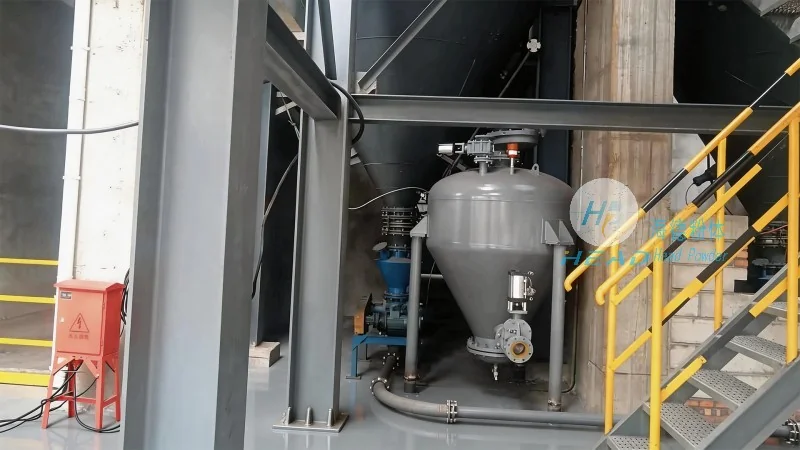
Facility layout and existing infrastructure also play a critical role. If a facility already has vacuum systems or ductwork, adapting to a negative pressure setup may be more straightforward. Conversely, if the plant is designed for high-pressure operations or has existing positive pressure equipment, integrating a positive pressure system may be more practical.
Material characteristics, such as particle size, moisture content, and abrasiveness, are also key considerations. Delicate or fine pigments may benefit from the lower pressure and velocity of negative pressure systems to minimize degradation, while abrasive or high-moisture pigments may require the higher capacity and agglomerate-breaking capabilities of positive pressure systems.
Cost and maintenance requirements are another important factor. Negative pressure systems are generally more affordable to install and maintain, making them suitable for budget-conscious operations or those with limited resources. Positive pressure systems, while more expensive upfront, may offer lower long-term maintenance costs due to their reliability and reduced downtime.
Conclusion
Both negative pressure and positive pressure pneumatic conveying systems have their place in the pigment industry, each offering unique advantages and disadvantages. Negative pressure systems excel in short-distance, low-flow applications with a focus on cost and safety, while positive pressure systems are better suited for long-distance, high-throughput operations requiring versatility and reliability. By carefully evaluating the specific needs of a pigment handling operation—such as distance, material characteristics, and budget—companies can select the most appropriate system to optimize their material transport processes.
HeadPowder, with its expertise in pneumatic conveying solutions, provides tailored systems that address the unique challenges of pigment handling. Whether a facility requires a negative pressure setup for cost-effectiveness or a positive pressure system for high-volume production, HeadPowder's engineering team ensures that the chosen solution meets the highest standards of efficiency, safety, and material integrity. With a commitment to quality and customer satisfaction, HeadPowder continues to lead the way in providing innovative and reliable pneumatic conveying solutions for the global pigment industry.