

Working Principle and Features of Automatic Bulk Bag Feeding Pneumatic Conveying Line
When it comes to efficient material handling in industrial settings, the automatic bulk bag feeding pneumatic conveying line offers a reliable and advanced solution. This system is designed to streamline the process of transferring bulk materials from bulk bags into processing equipment, ensuring smooth operations and enhanced productivity. Let's explore the working principle and key features of this technology.
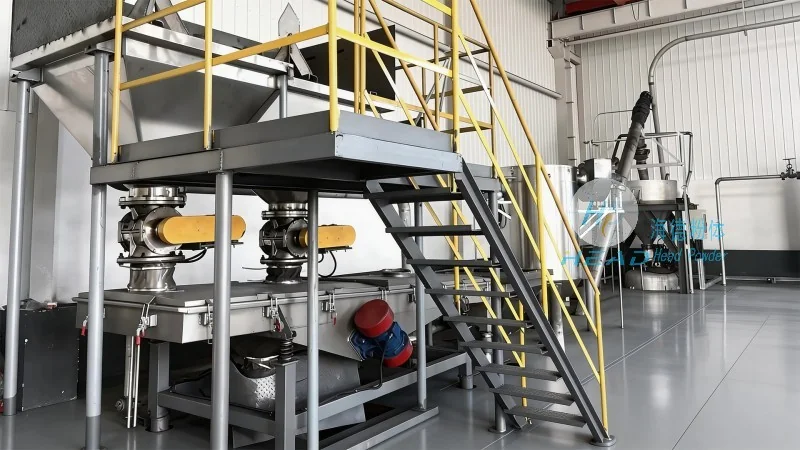
Overview of the Automatic Bulk Bag Feeding Pneumatic Conveying Line
The automatic bulk bag feeding pneumatic conveying line is a sophisticated system engineered to handle the transfer of bulk materials from bulk bags to downstream equipment. It integrates various components such as bulk bag openers, feeders, and pneumatic conveying units to achieve seamless material flow. This system is particularly beneficial for industries dealing with powders, granules, and other bulk materials, providing a clean and efficient method to avoid manual handling and potential contamination.
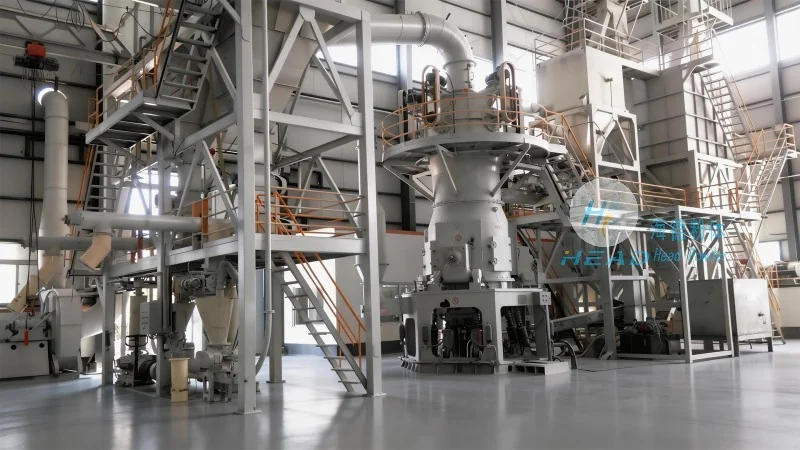
Working Principle of the System
The operation of the automatic bulk bag feeding pneumatic conveying line is based on the principles of pneumatic conveying, which utilizes air to move materials through a pipeline. The process typically begins with the bulk bag being placed on a hopper or a dedicated feeding station. The system then proceeds with the following steps:
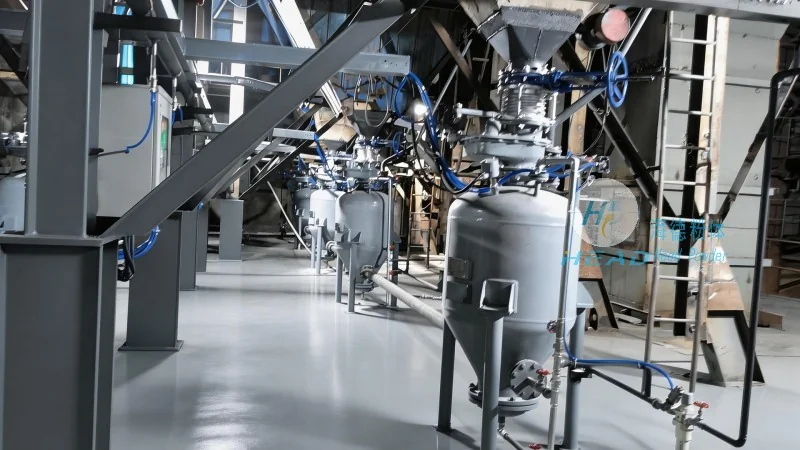
- Bulk Bag Opening and Sealing: The bulk bag is opened using a mechanical or automated opener, allowing the material to be released into the hopper. After the material is emptied, the bag is sealed to prevent any spillage or contamination.
- Material Feeding: A feeder, often a rotary valve or a screw feeder, controls the flow of material from the hopper into the pneumatic conveying line. This ensures a consistent and controlled feed rate, preventing overloading or underfeeding of the downstream equipment.
- Pneumatic Conveying: Compressed air is introduced into the conveying line, creating a flow that carries the material particles through the pipeline. The air velocity and pressure are carefully regulated to maintain the material in a suspended state, ensuring efficient transport without particle degradation or blockage.
- Delivery to Processing Equipment: The material is conveyed to the target processing equipment, such as a mixer, dryer, or storage silo. The system may include a dust collector to capture any airborne particles and maintain a clean working environment.
Key Features and Advantages
The automatic bulk bag feeding pneumatic conveying line offers several advantages that make it a preferred choice for industrial applications:
- Automation and Efficiency: The system operates with minimal human intervention, reducing labor costs and increasing operational efficiency. Automated controls ensure consistent performance and reduce downtime.
- Clean and Hygienic Operation: By eliminating manual handling of bulk bags, the system minimizes the risk of contamination and ensures a clean working environment, which is crucial for industries like food, pharmaceuticals, and chemicals.
- Reduced Downtime and Maintenance: The design of the system minimizes the need for frequent maintenance, as the components are engineered for durability and reliability. This leads to lower maintenance costs and extended equipment life.
- Flexibility and Scalability: The system can be customized to handle various material types and quantities, making it suitable for different production scales. It can also be integrated with existing processing lines without major modifications.
- Energy Efficiency: Modern pneumatic conveying systems are designed to be energy-efficient, utilizing compressed air in a controlled manner to minimize energy consumption while maintaining effective material transport.
Applications and Industries
The automatic bulk bag feeding pneumatic conveying line is widely used across various industries, including:
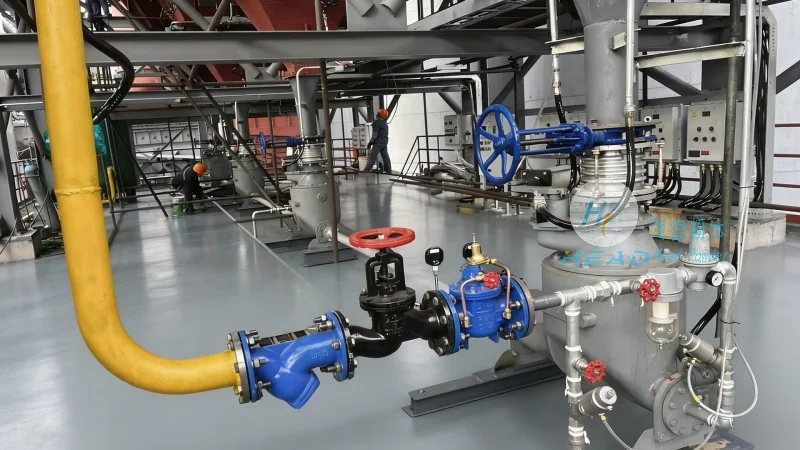
- Food and Beverage: Handling ingredients like flour, sugar, and spices with strict hygiene standards.
- Pharmaceuticals: Transporting raw materials and finished products in sterile environments.
- Chemicals and Plastics: Moving powders and granules for processing and manufacturing.
- Minerals and Mining: Conveying bulk materials from storage to processing equipment.
- Petroleum and Oil: Handling powders and granules in refineries and processing plants.
Conclusion
The automatic bulk bag feeding pneumatic conveying line represents a significant advancement in material handling technology. By combining automation, efficiency, and hygiene, this system provides a reliable solution for industries dealing with bulk materials. With its ability to handle various materials and scales, it continues to be a vital component in modern industrial operations. For businesses seeking to enhance their material handling processes, this technology offers a robust and effective approach to improving productivity and operational performance.