

Working Principle and Features of Gypsum Particle Pneumatic Conveying Equipment
HeadPowder, a leading manufacturer in the field of material handling solutions, specializes in the design, production, and supply of advanced pneumatic conveying systems. Among their product portfolio, the gypsum particle pneumatic conveying equipment stands out as a critical solution for efficient and reliable transport of gypsum materials in various industrial applications. This article delves into the working principle and key features of this equipment, providing a comprehensive understanding of its functionality and benefits.
Company Overview and Expertise
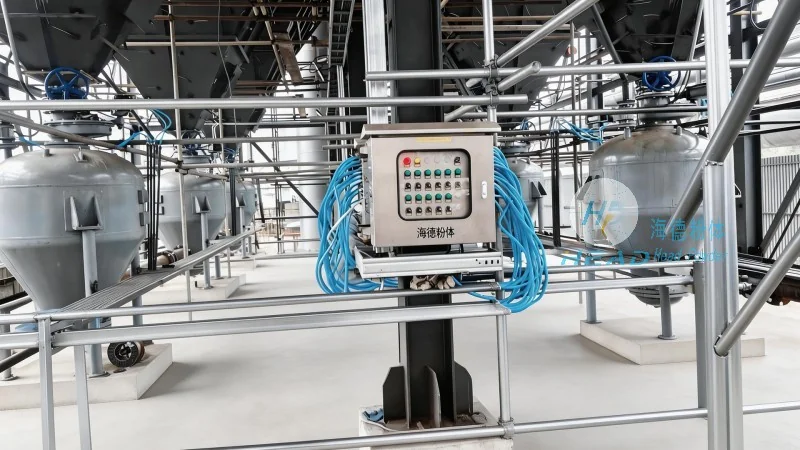
Shandong HeadPowder Engineering Co., Ltd., commonly known as HeadPowder, is headquartered in Shandong, China. With years of experience in the engineering and manufacturing of material handling equipment, the company has established itself as a trusted provider of high-quality pneumatic conveying systems. HeadPowder's commitment to innovation and customer satisfaction has enabled them to develop cutting-edge solutions tailored to the specific needs of industries such as construction, cement, and chemical processing. The company's expertise lies in optimizing material transport processes, ensuring minimal loss, and enhancing operational efficiency.
Working Principle of Gypsum Particle Pneumatic Conveying Equipment
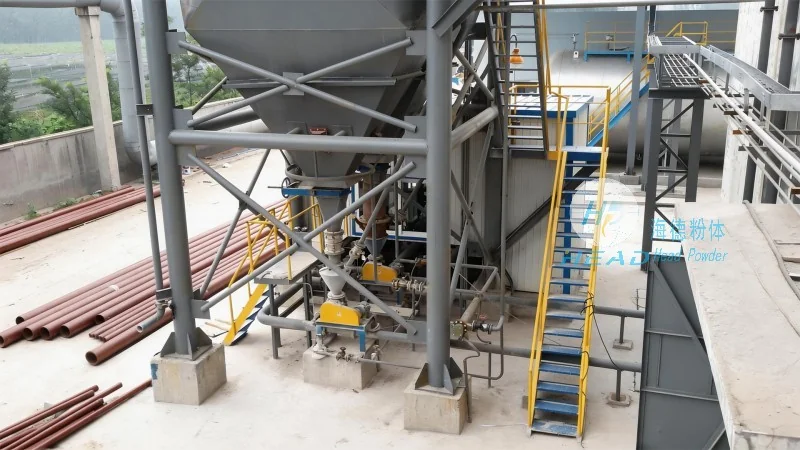
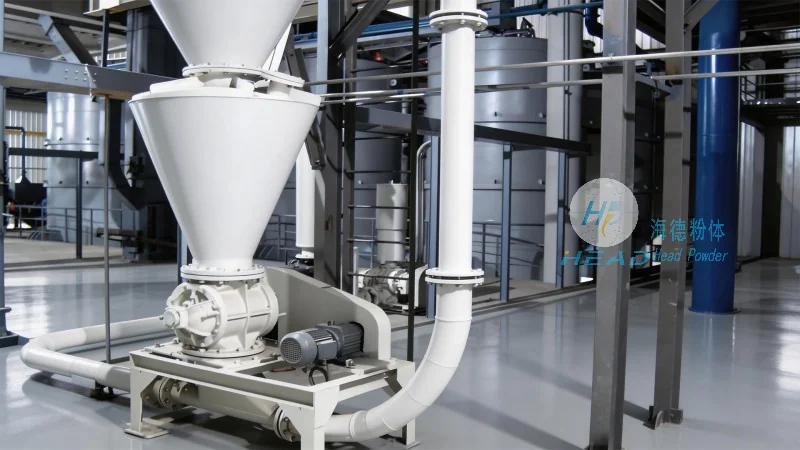
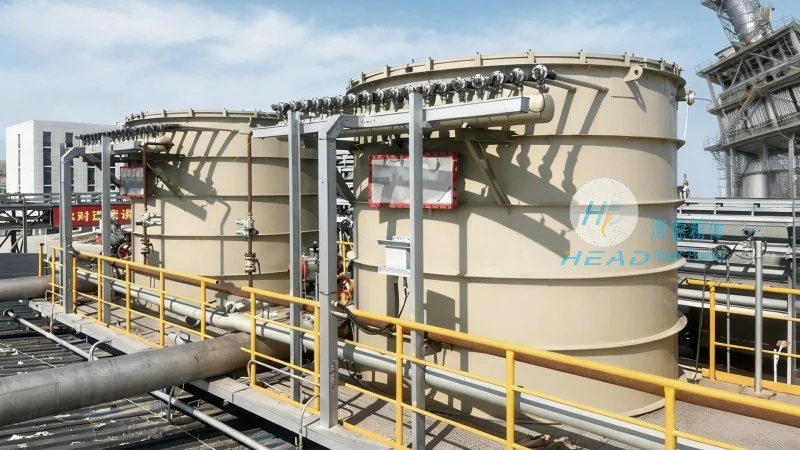
The gypsum particle pneumatic conveying equipment operates on the principle of pneumatic transport, which involves the use of a gas stream (typically air or a mixture of air and other gases) to move solid particles through a pipeline. The system consists of several key components, including a feeding hopper, a rotary valve, a conveying line, a dust separator, and a receiver. The process begins with the gypsum particles being fed into the hopper from the storage silo. The rotary valve then controls the flow of particles into the conveying line, ensuring a consistent and controlled discharge. As the particles enter the conveying line, the high-velocity air stream generated by the blower or compressor propels them forward, overcoming the gravitational force and friction within the pipeline. The air-gypsum mixture travels through the pipeline until it reaches the dust separator, where the air is separated from the solid particles. The clean air is then discharged to the atmosphere, while the gypsum particles are collected in the receiver, ready for further processing or use.
Key Features and Advantages
The gypsum particle pneumatic conveying equipment from HeadPowder is designed with several distinctive features that enhance its performance and reliability. One of the primary advantages is its ability to handle a wide range of gypsum particle sizes and moisture content, making it suitable for various applications, including the transport of raw gypsum, hemihydrate, and other gypsum-based products. The system is equipped with advanced control systems that allow for precise regulation of the air flow and particle feed rate, ensuring optimal conveying efficiency and minimizing energy consumption. Additionally, the equipment is constructed with high-quality materials, such as stainless steel and corrosion-resistant alloys, to withstand the harsh conditions associated with gypsum handling and prevent material degradation or equipment wear. The design also incorporates features to reduce dust emissions and noise levels, contributing to a safer and more environmentally friendly operation. Another notable feature is the modular construction, which allows for easy installation, maintenance, and expansion of the system, providing flexibility to meet changing production demands. The equipment is also equipped with safety sensors and alarms to detect and prevent potential issues, such as blockages or overpressure, ensuring the safety of the operation and the integrity of the materials being conveyed.
Applications and Industry Impact
Gypsum particle pneumatic conveying equipment is widely used in industries that rely on the efficient transport of gypsum materials. In the construction industry, it is essential for supplying gypsum products to manufacturing plants, where they are used in the production of drywall, plaster, and other building materials. The equipment also plays a crucial role in the cement industry, where gypsum is used as a set retarder to control the setting time of cement. In the chemical processing industry, it is used for the transport of gypsum-based chemicals and byproducts. The reliable and efficient operation of the pneumatic conveying system ensures that production processes run smoothly, reducing downtime and increasing overall productivity. The use of advanced technology in the equipment also contributes to cost savings by minimizing material loss and energy consumption, making it a cost-effective solution for industries looking to optimize their material handling processes.
Conclusion
HeadPowder's gypsum particle pneumatic conveying equipment represents a sophisticated solution for the efficient and reliable transport of gypsum materials. By leveraging the principles of pneumatic transport and incorporating advanced design features, the equipment offers significant advantages in terms of performance, reliability, and operational efficiency. With its ability to handle diverse gypsum particle characteristics and its robust construction, the system is well-suited for various industrial applications. As a leading manufacturer in the field, HeadPowder continues to innovate and provide high-quality solutions that meet the evolving needs of industries, ensuring the continued success and growth of their clients.