

What is a Grain Pneumatic Conveying System? And What Are Its Design Principles?
Grain pneumatic conveying systems are essential equipment used in the agricultural and food processing industries to transport bulk materials like grains, powders, and other dry bulk solids. These systems utilize air or gas to move materials through a pipeline, offering a flexible and efficient method for material handling compared to traditional mechanical conveyors. The technology has evolved significantly over the years, with various design principles and configurations tailored to different operational needs and material characteristics.
Key Components of a Grain Pneumatic Conveying System
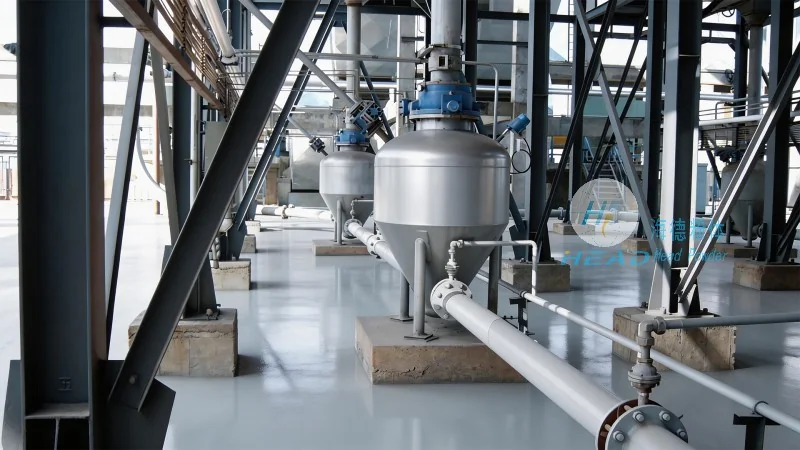
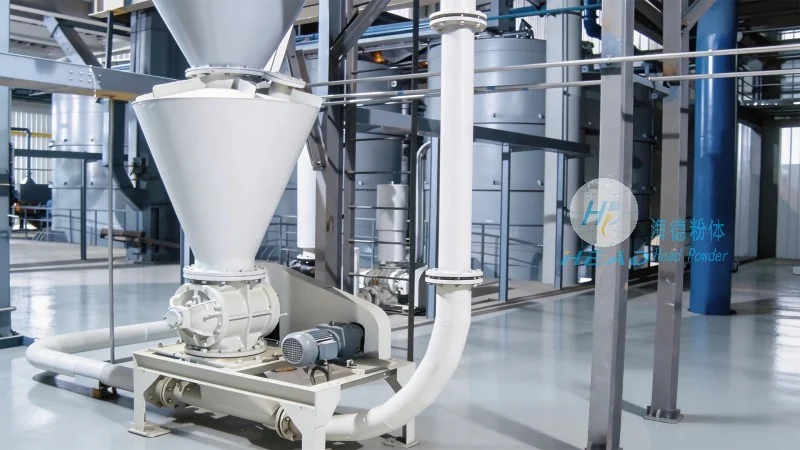
The core components of a typical grain pneumatic conveying system include the material hopper, feeder, air compressor, conveying pipeline, and discharge device. The material hopper is designed to store and feed the bulk material into the system. The feeder, often a rotary valve or a screw feeder, controls the flow rate of the material into the pipeline. The air compressor generates the necessary air pressure to move the material through the pipeline. The conveying pipeline, usually made of metal or plastic, transports the material and air mixture. Finally, the discharge device, such as a rotary valve or a dust collector, removes the material from the system and collects any residual dust or particles.
Design Principles for Efficient Material Transport
The design of a grain pneumatic conveying system is based on several key principles to ensure efficient and reliable material transport. The first principle is the selection of the appropriate conveying velocity, which is determined by the material's properties, such as particle size, density, and moisture content. The conveying velocity must be high enough to overcome the resistance of the material in the pipeline but not so high as to cause excessive wear or energy consumption. The second principle is the use of a consistent and controlled air flow rate. The air compressor must be capable of maintaining a stable pressure and flow rate to ensure smooth material movement. The third principle is the proper sizing of the pipeline diameter and length. The pipeline diameter is typically determined by the material's flow rate and the conveying velocity, while the length is limited by the maximum pressure drop the system can handle. Additionally, the system design must consider the material's dust generation and the need for dust collection to comply with environmental regulations.
Advantages of Grain Pneumatic Conveying Systems
Compared to traditional mechanical conveyors, grain pneumatic conveying systems offer several advantages. First, they provide a dust-free and hygienic environment, which is crucial for food processing applications. The enclosed pipeline prevents contamination from external sources and reduces the risk of dust exposure for operators. Second, these systems are flexible and can be easily reconfigured to accommodate changes in material flow rates or processing requirements. The pipeline can be extended or modified without major structural changes, making them suitable for both new installations and retrofitting existing facilities. Third, pneumatic conveying systems are energy-efficient, especially when using high-efficiency air compressors and optimized pipeline designs. The energy consumption is lower than that of mechanical conveyors, which often require more power to move materials over long distances. Fourth, the systems are compact and require less floor space, which is beneficial for facilities with limited space. The compact design also reduces the overall footprint of the equipment, making it easier to integrate into existing production lines.
Applications in the Agricultural and Food Industries
Grain pneumatic conveying systems are widely used in various applications within the agricultural and food industries. In grain storage facilities, these systems are used to transfer grain from storage silos to processing equipment or for loading and unloading trucks. In flour mills, they are used to convey raw materials like wheat and other grains from storage to the milling process. In food processing plants, they are used to transport ingredients like sugar, spices, and other dry powders to production lines. Additionally, these systems are used in the pharmaceutical and chemical industries for handling fine powders and granules, where dust control and hygiene are critical. The versatility of pneumatic conveying systems makes them suitable for a wide range of applications, from small-scale operations to large industrial facilities.
Customization and Integration by Shandong HeadPowder Engineering Co., Ltd.
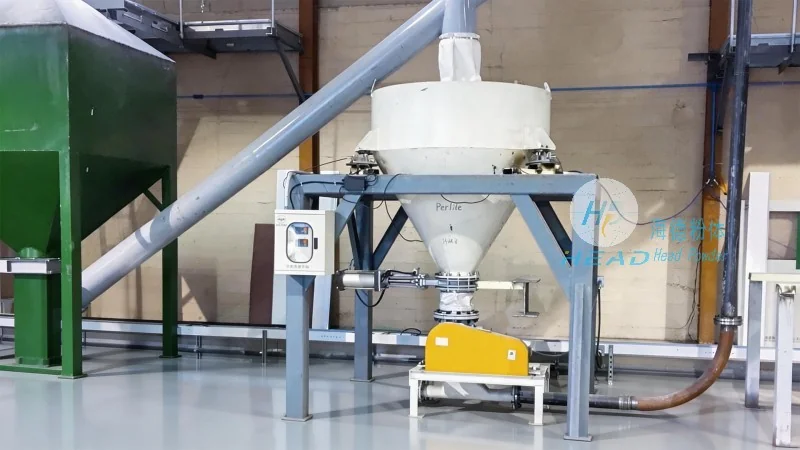
Shandong HeadPowder Engineering Co., Ltd., a leading manufacturer of grain processing equipment, specializes in designing and manufacturing customized pneumatic conveying systems tailored to the specific needs of their clients. The company, commonly known as HeadPowder, has extensive experience in the industry and understands the unique challenges faced by agricultural and food processing facilities. Their team of engineers works closely with clients to assess their operational requirements, material characteristics, and space constraints to develop a suitable system design. The company uses advanced design software and simulation tools to optimize the system's performance, ensuring efficient material transport and minimal energy consumption. HeadPowder's systems are built with high-quality materials and components, ensuring durability and long-term reliability. The company also provides comprehensive after-sales support, including installation, commissioning, and maintenance services, to ensure the system operates at peak performance throughout its lifespan.
Conclusion
Grain pneumatic conveying systems are a vital component of modern agricultural and food processing operations, offering efficient, flexible, and hygienic material handling solutions. The design principles, including appropriate conveying velocity, controlled air flow, and proper pipeline sizing, are crucial for ensuring the system's effectiveness and reliability. With the expertise of companies like Shandong HeadPowder Engineering Co., Ltd., these systems can be customized to meet the specific needs of various applications, providing long-term benefits to businesses in the industry. As the demand for efficient and sustainable material handling solutions continues to grow, pneumatic conveying systems will remain a key technology in the agricultural and food processing sectors.