

What is a Hot Dry Ash Pneumatic Conveying Equipment? And What Are Its Design Principles?
Hot dry ash pneumatic conveying equipment is a specialized industrial device designed to transport hot, dry ash from its source to a designated disposal or utilization location. This equipment is commonly used in power plants, cement factories, and other industrial facilities where large volumes of ash are generated. The primary function is to efficiently and safely move ash, often at high temperatures, through a sealed system to prevent dust emissions and ensure environmental compliance.
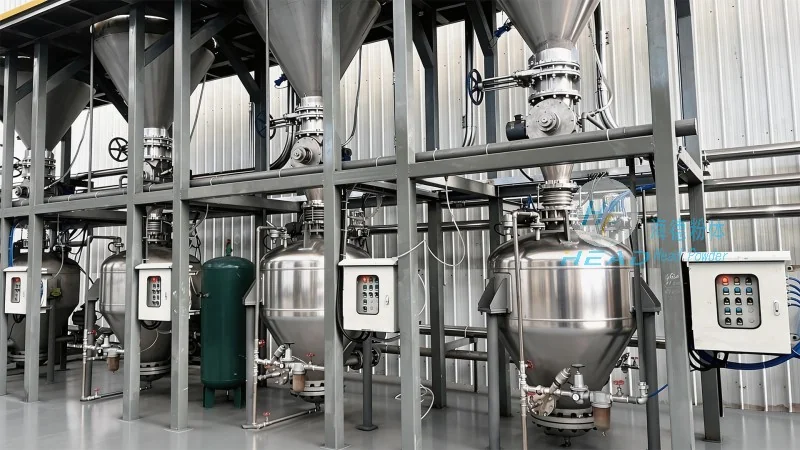
Company Overview: Shandong HeadPowder Engineering Co., Ltd.
HeadPowder, the manufacturer of this equipment, is a leading engineering company based in Shandong, China. With years of experience in the field of pneumatic conveying technology, the company specializes in designing and producing equipment tailored to the unique needs of industrial ash management. HeadPowder's facilities are equipped with advanced manufacturing capabilities and a team of skilled engineers dedicated to delivering high-quality, reliable solutions for clients worldwide.
What is Hot Dry Ash Pneumatic Conveying Equipment?
Hot dry ash refers to ash that has been cooled and dried, typically from coal-fired boilers or other combustion processes. The pneumatic conveying equipment for this material is a system that uses compressed air or a vacuum to move the ash particles through a network of pipes. Unlike traditional methods such as trucks or conveyor belts, this equipment offers a more efficient and environmentally friendly solution by minimizing dust and noise pollution. The system typically includes components like a feeder, a conveying pipeline, a separator, and a fan, all working in tandem to ensure smooth and continuous ash transport.
Key Design Principles of the Equipment
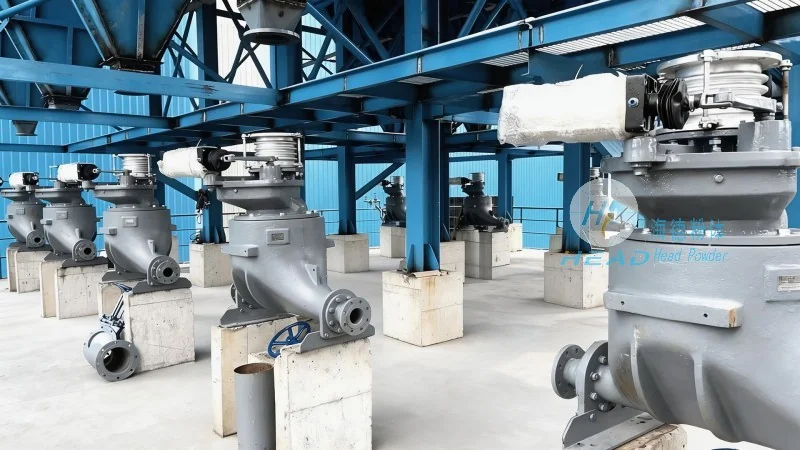
The design of hot dry ash pneumatic conveying equipment is guided by several critical principles to ensure optimal performance and durability. First, the equipment must be capable of handling high-temperature materials without degradation. This requires the use of heat-resistant materials for components such as the feeder and pipeline, often made from stainless steel or other corrosion-resistant alloys. Second, the system must maintain airtightness to prevent ash leakage and dust emissions, which is achieved through precise engineering of seals and joints. Third, the design prioritizes energy efficiency by optimizing the air flow rate and pressure, reducing operational costs for the end-user. Additionally, the equipment is designed for easy maintenance, with accessible components that allow for quick repairs and replacements.
Components and Working Mechanism
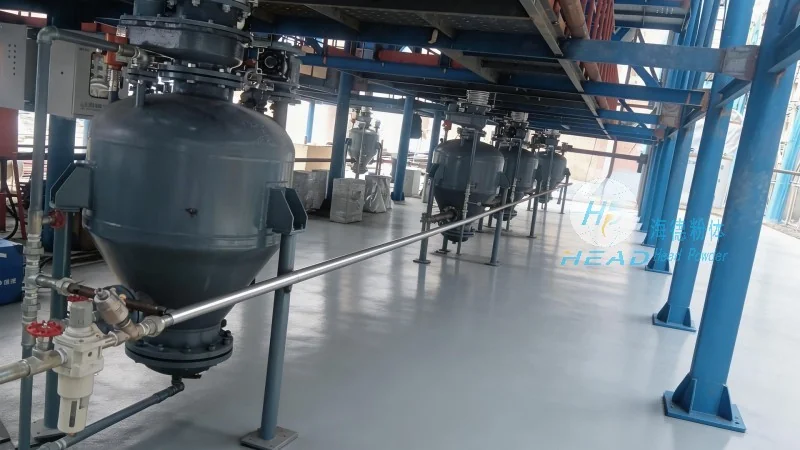
The hot dry ash pneumatic conveying system consists of several key components, each playing a vital role in the overall operation. The feeder is responsible for introducing the ash into the system, often using a rotary valve or a screw feeder to control the flow rate. The conveying pipeline, typically made of metal or high-density plastic, transports the ash particles along the desired path. The separator, usually a cyclone or a bag filter, separates the ash from the air stream, allowing the air to be recirculated or released safely. The fan provides the necessary pressure or vacuum to move the ash through the system, with the speed and direction of the fan adjustable to match the specific requirements of the application. The control system monitors and regulates the entire process, ensuring consistent performance and preventing overloading or underflow.
Advantages of Using This Equipment
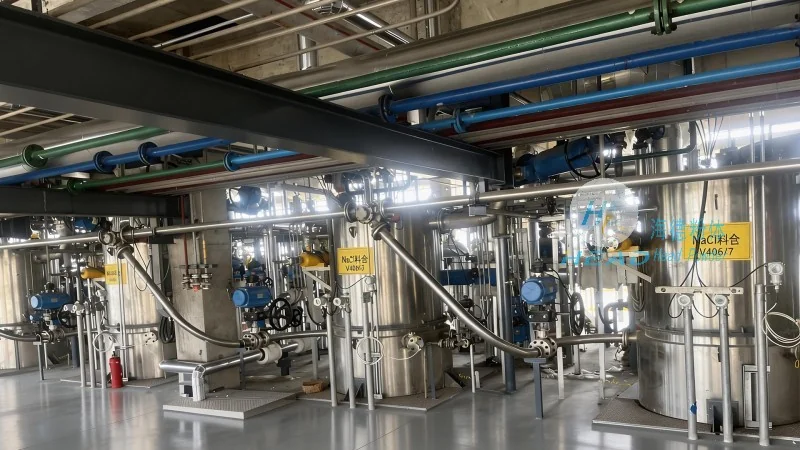
Implementing hot dry ash pneumatic conveying equipment offers numerous advantages over traditional methods. One of the most significant benefits is the reduction in environmental impact, as the sealed system prevents dust and particulate matter from being released into the atmosphere. This not only complies with environmental regulations but also improves air quality around the facility. Another advantage is the increased efficiency in ash transport, as the equipment can handle large volumes of material quickly and with minimal labor. The system also reduces the risk of accidents associated with manual handling of hot ash, enhancing workplace safety. Furthermore, the equipment is designed for long-term reliability, with components that are resistant to wear and corrosion, leading to lower maintenance costs and higher return on investment.
Application Scenarios
Hot dry ash pneumatic conveying equipment is widely used in various industrial settings where ash management is critical. In power plants, the equipment is used to transport ash from the boiler to a storage silo or a disposal site, ensuring that the ash is handled safely and efficiently. In cement factories, the equipment helps in transporting ash as a raw material for cement production, reducing the need for additional fuel and improving the overall quality of the cement. Similarly, in steel mills and other metallurgical plants, the equipment is employed to manage the byproducts of combustion, such as slag and ash, contributing to a more sustainable and resource-efficient operation. The versatility of the system allows it to be adapted to different scales and applications, from small-scale industrial facilities to large-scale power plants.