

What is Asphalt Powder Pneumatic Conveying Equipment? And What Are Its Design Principles?
Asphalt powder is a crucial material in road construction and maintenance, and the efficient transportation of this material is essential for project success. The asphalt powder pneumatic conveying equipment, developed by Shandong HeadPowder Engineering Co., Ltd., addresses these needs through advanced pneumatic technology.
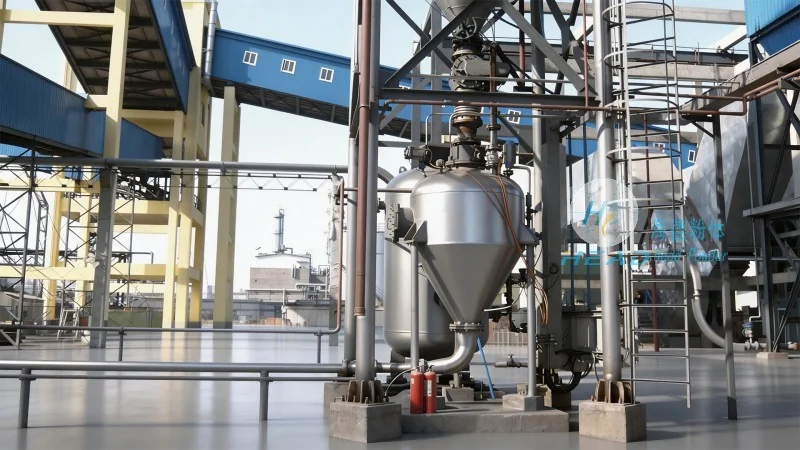
Introduction to Asphalt Powder Pneumatic Conveying Equipment
This equipment is specifically designed for the efficient and safe transportation of asphalt powder, a critical component in road construction and maintenance. The system utilizes pneumatic conveying technology, which involves the movement of material through a pipeline using a pressurized air or gas stream. This method offers significant advantages over traditional methods like belt conveyors or manual handling, particularly in terms of hygiene, dust control, and the ability to transport materials over longer distances with minimal loss.
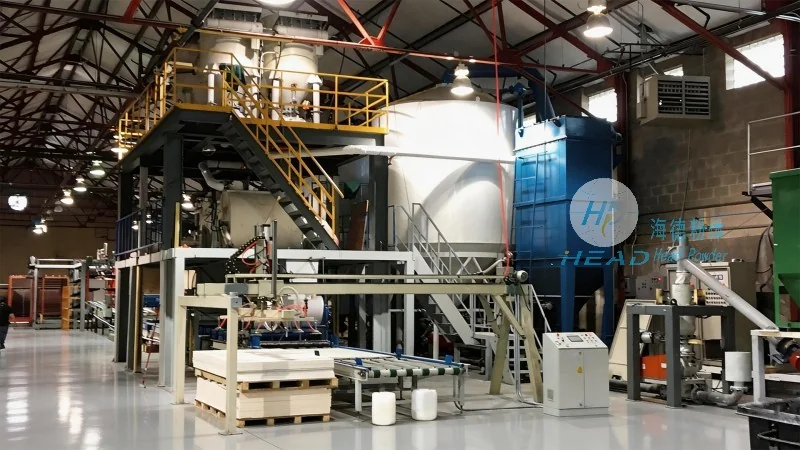
Company Overview: Shandong HeadPowder Engineering Co., Ltd.
HeadPowder, as the name suggests, specializes in engineering solutions for powder handling and material transport. Based in Shandong, China, the company has established itself as a leading manufacturer and supplier of pneumatic conveying systems tailored for various industrial applications, including the asphalt industry. Their expertise lies in designing equipment that meets the stringent requirements of modern construction projects, ensuring reliability, durability, and optimal performance under diverse operational conditions.
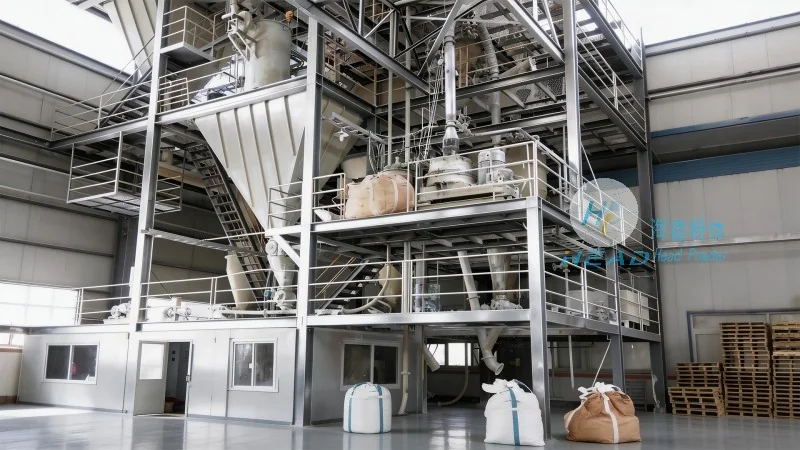
Key Features and Technical Design Principles
The core of the asphalt powder pneumatic conveying equipment lies in its robust design and advanced engineering principles. The system typically consists of a hopper for material storage, a rotary valve for controlled discharge, a conveying pipeline, and a dust collector or filter system to manage air quality. The design incorporates high-efficiency air blowers or compressors that generate the necessary pressure to move the powder through the pipeline. The pipeline layout is carefully engineered to minimize pressure drops and ensure smooth material flow, often incorporating bends, elbows, and expansion joints to accommodate changes in direction and elevation. The use of high-quality materials, such as stainless steel or corrosion-resistant alloys, ensures the equipment can withstand the abrasive nature of asphalt powder and the environmental conditions of construction sites.
Application Scenarios and Operational Advantages
This equipment is widely used in asphalt mixing plants, road construction sites, and maintenance operations where the need to transport large quantities of asphalt powder efficiently is paramount. The primary advantages include reduced labor costs, improved safety by eliminating manual handling of dusty materials, and enhanced environmental compliance through effective dust control measures. The system's ability to handle bulk materials over long distances without the need for intermediate storage or transfer points makes it an ideal solution for large-scale projects. Additionally, the equipment's modular design allows for easy integration into existing production lines and can be customized to meet specific client requirements, such as varying material flow rates or pipeline lengths.
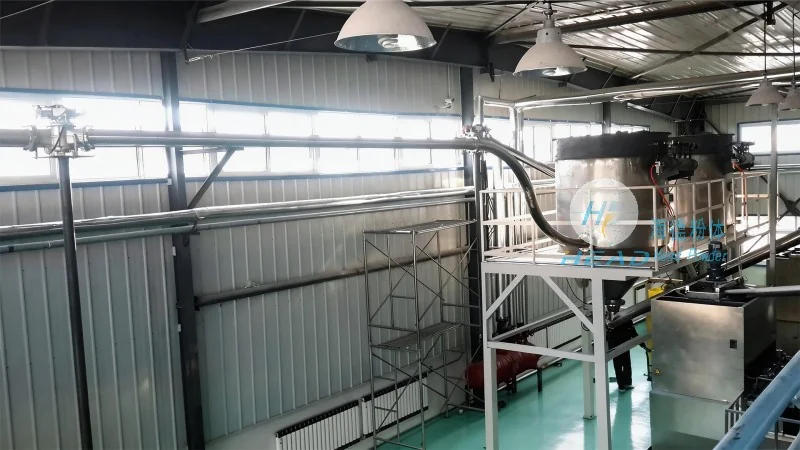
Conclusion and Company Information
In conclusion, the asphalt powder pneumatic conveying equipment from Shandong HeadPowder Engineering Co., Ltd. represents a sophisticated solution for modern powder handling needs. By combining advanced pneumatic technology with meticulous engineering, the system ensures reliable, efficient, and safe transportation of asphalt powder. HeadPowder's commitment to quality and customer satisfaction, along with their extensive experience in the industry, positions them as a trusted partner for construction and infrastructure projects. For businesses seeking to optimize their material transport processes, this equipment offers a robust and cost-effective solution that aligns with the demands of contemporary construction practices.