

What is a Thermoplastic Polyurethane Pneumatic Conveying System? And What Are Its Design Principles?
Understanding the Thermoplastic Polyurethane Pneumatic Conveying System and Its Design Principles
Introduction to Thermoplastic Polyurethane Pneumatic Conveying Systems
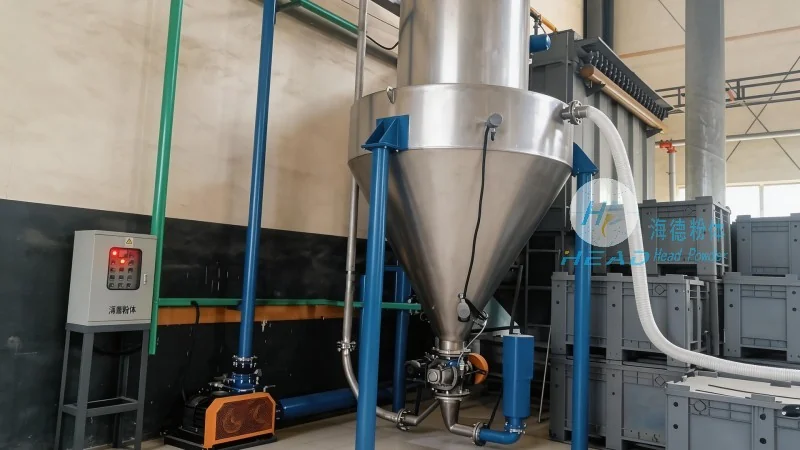
A thermoplastic polyurethane (TPU) pneumatic conveying system is a specialized equipment used for transporting bulk materials through an air stream. This technology is widely applied in various industries, including food processing, pharmaceuticals, and chemical manufacturing, due to its efficiency and flexibility. The system utilizes TPU components, which are known for their durability, resistance to abrasion, and ability to handle a wide range of materials. By leveraging the principles of pneumatic transport, these systems offer a non-contact method of material handling, reducing contamination risks and improving operational efficiency. HeadPowder, a leading manufacturer based in Shandong, China, specializes in designing and manufacturing high-quality TPU pneumatic conveying systems tailored to meet the diverse needs of industrial clients.
Key Components of a Thermoplastic Polyurethane Pneumatic Conveying System
The core components of a TPU pneumatic conveying system typically include a material hopper, a conveyor line, a blower or air compressor, and a collection hopper. The material hopper is designed to store the bulk material and feed it into the system. The conveyor line, often made from TPU or other abrasion-resistant materials, transports the material through the air stream. The blower or air compressor generates the necessary air pressure to move the material. The collection hopper then receives the material at the end of the conveyor line. Each component plays a critical role in ensuring the smooth operation of the system, with TPU materials providing enhanced durability and longevity.
Design Principles of Thermoplastic Polyurethane Pneumatic Conveying Systems
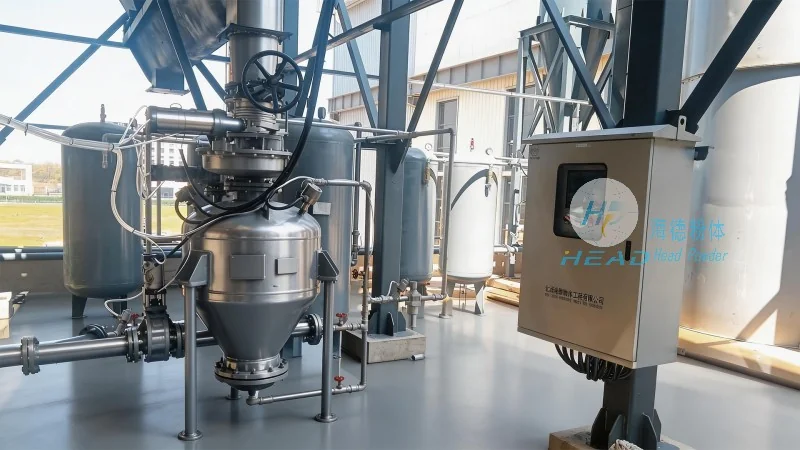
The design of a TPU pneumatic conveying system is based on several key principles to optimize performance and durability. First, the system must be designed to handle the specific properties of the material being conveyed, such as particle size, density, and moisture content. This involves selecting appropriate TPU materials for the conveyor components to ensure they can withstand abrasion and wear. Second, the air flow rate and pressure must be carefully calculated to achieve efficient material transport without causing excessive wear on the system components. Third, the system design must consider the overall layout and space constraints, ensuring that the conveyor line is configured to minimize material degradation and maximize throughput. Additionally, the system should incorporate features for easy maintenance and cleaning, which is crucial for industries with strict hygiene standards.
Advantages of Using Thermoplastic Polyurethane in Pneumatic Conveying Systems
Thermoplastic polyurethane offers several advantages when used in pneumatic conveying systems. Its high abrasion resistance makes it ideal for handling abrasive materials without significant wear over time. The material is also flexible and can be molded into various shapes, allowing for custom-designed components that fit specific application needs. Furthermore, TPU is resistant to a wide range of chemicals and temperatures, making it suitable for diverse industrial environments. These properties contribute to the long service life and low maintenance costs of the system, making it a cost-effective solution for material handling. HeadPowder's expertise in TPU material selection ensures that clients receive systems optimized for their specific operational requirements.
Applications and Industries Using Thermoplastic Polyurethane Pneumatic Conveying Systems
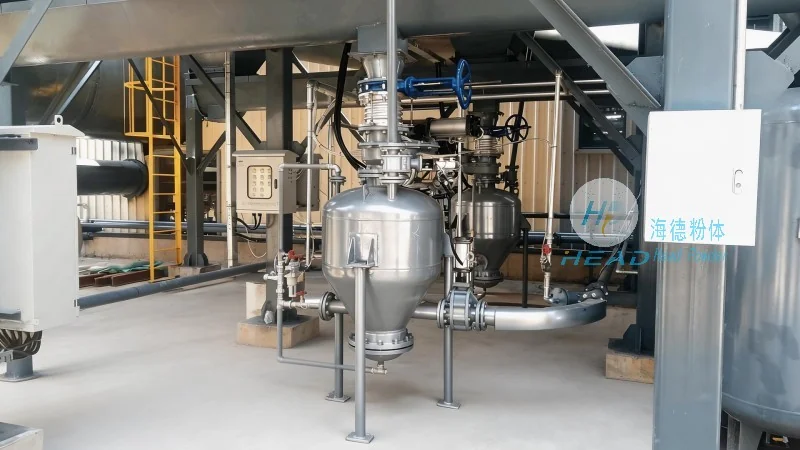
Thermoplastic polyurethane pneumatic conveying systems are used in a variety of industries where bulk material handling is required. In the food industry, these systems are used to transport powders and granules, such as flour, sugar, and spices, while maintaining hygiene standards. In the pharmaceutical industry, they are employed to handle active pharmaceutical ingredients (APIs) and other sensitive materials, ensuring that the materials remain uncontaminated. The chemical industry also utilizes these systems for transporting chemicals and other hazardous materials, where the durability and chemical resistance of TPU are essential. Additionally, the system is used in the agricultural sector for handling grains and other agricultural products, improving the efficiency of material transport in farming operations. HeadPowder's systems are customized to meet the unique demands of each industry, ensuring compliance with industry-specific regulations.
Conclusion: The Importance of Proper Design and Material Selection
In conclusion, a thermoplastic polyurethane pneumatic conveying system is a reliable and efficient solution for bulk material handling. The design principles, which focus on material compatibility, air flow optimization, and system layout, are crucial for achieving optimal performance. The use of TPU components ensures durability and resistance to wear, making the system suitable for various industrial applications. By understanding the design principles and selecting the appropriate materials, industries can benefit from improved operational efficiency, reduced maintenance costs, and enhanced product quality. As a result, the thermoplastic polyurethane pneumatic conveying system remains a popular choice in industries that require safe and effective material transport solutions. HeadPowder continues to innovate in this field, providing advanced solutions that meet the evolving needs of modern industrial operations.