

What is a Synthetic Graphite Pneumatic Conveying System? What are its Design Principles?
For industrial applications requiring efficient and reliable material handling, synthetic graphite pneumatic conveying systems have emerged as a sophisticated solution. These systems utilize air or gas to transport bulk materials, offering advantages such as reduced maintenance, enhanced safety, and the ability to handle a wide range of products. Understanding the core components and design principles of such systems is crucial for optimizing performance and ensuring operational efficiency. Developed by Shandong HeadPowder Engineering Co., Ltd., these systems are tailored to meet the specific needs of industries dealing with synthetic graphite and other fine powders.
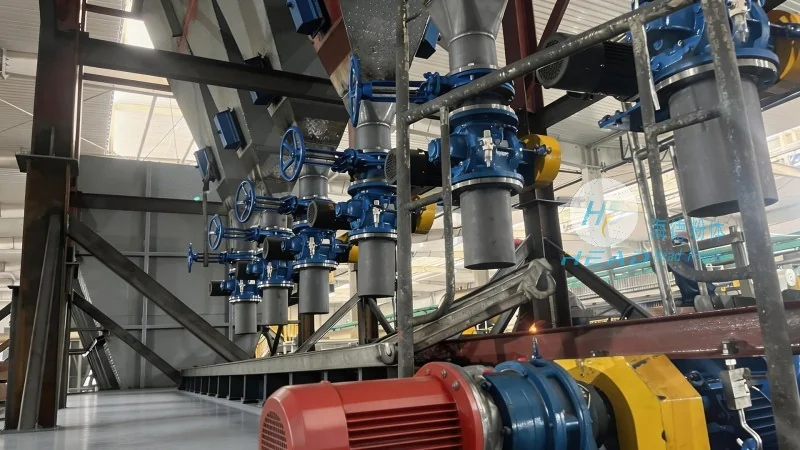
Introduction to Synthetic Graphite Pneumatic Conveying Systems
A synthetic graphite pneumatic conveying system is a specialized equipment setup designed to transport dry bulk materials, including synthetic graphite, through a pipeline using air or other gases as the conveying medium. Unlike traditional mechanical conveyors, which rely on mechanical components like belts or screws, pneumatic systems use pressure differentials to move materials. This method is particularly advantageous for materials that are abrasive, dusty, or require a controlled environment, as it minimizes direct contact with equipment, reducing wear and contamination risks. The system typically consists of several key components, including a material feed hopper, a conveying line, a pressure vessel or receiver, and a control system. The feed hopper stores the material to be transported, while the conveying line, often made of materials resistant to abrasion and corrosion, carries the material through the system. The pressure vessel collects the material at the destination, and the control system manages the flow of air and material to maintain optimal performance.
Design Principles of Synthetic Graphite Pneumatic Conveying Systems
The design of a synthetic graphite pneumatic conveying system is guided by several fundamental principles aimed at ensuring efficient material transport and system longevity. One of the primary principles is the selection of appropriate air velocity and pressure. The air velocity must be high enough to keep the material in suspension but not so high as to cause excessive wear on the pipeline or components. Typically, the velocity is maintained between 20 to 30 meters per second for fine powders like synthetic graphite, ensuring stable transport without clogging or degradation. Another critical design principle is the consideration of material properties. Synthetic graphite is known for its high density, high thermal conductivity, and resistance to chemical corrosion. These properties influence the system's design, as the pipeline and components must be constructed from materials that can withstand the abrasive nature of the graphite and any potential chemical interactions. For instance, stainless steel or specialized alloys may be used for the conveying line to prevent corrosion and ensure durability.
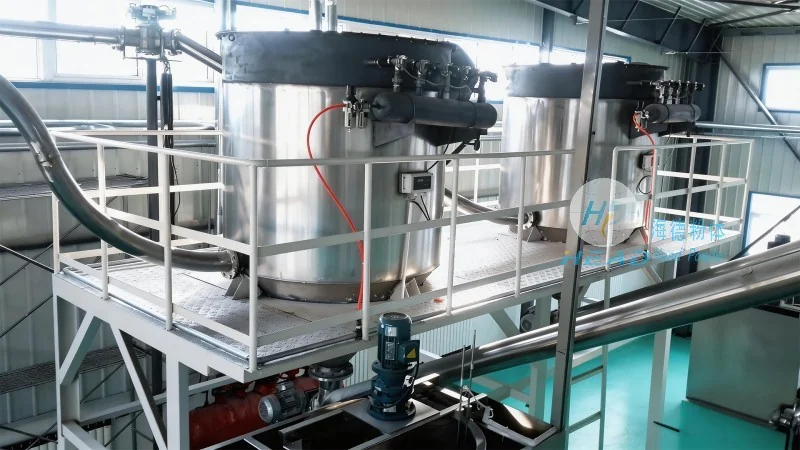
The system's layout and configuration also play a significant role in its design. The length and diameter of the conveying line, the number of bends or fittings, and the placement of the feed and discharge points all impact the system's performance. A well-designed system minimizes pressure losses and ensures consistent material flow. For example, the use of straight sections with minimal bends reduces friction and maintains the material's suspension, while proper sizing of the pipeline ensures that the air velocity remains within the optimal range for conveying synthetic graphite. The design also considers the need for dust control and environmental safety, as synthetic graphite is a fine powder that can pose health risks if not properly contained.
Key Components and Their Functions
Each component of a synthetic graphite pneumatic conveying system serves a specific function to ensure smooth operation. The material feed hopper is designed to store and meter the synthetic graphite, preventing overfilling and ensuring a consistent feed rate. It often includes a gate valve or feeder to control the material flow into the conveying line. The conveying line itself is a critical component, typically made of high-quality materials like stainless steel or PTFE-coated tubing, to withstand the abrasive and corrosive nature of synthetic graphite. The pressure vessel or receiver is where the material is collected at the end of the conveying line. It is designed to handle the pressure differentials and ensure that the material is stored safely and efficiently. The vessel may include a dust collection system or a filter to prevent the release of airborne particles, which is essential for maintaining a clean and safe working environment. The control system, which includes sensors, valves, and a control panel, monitors and regulates the flow of air and material, adjusting parameters such as pressure and flow rate to maintain optimal performance.
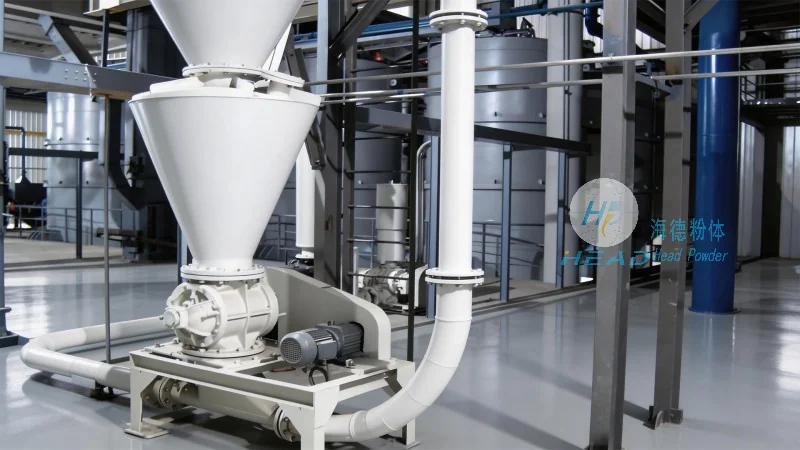
Applications and Benefits
Synthetic graphite pneumatic conveying systems are widely used in various industries, including battery manufacturing, lubricant production, and chemical processing. These systems offer several benefits over traditional conveying methods. One of the main advantages is the ability to handle fine powders without clogging, as the air flow keeps the material in suspension. This is particularly important for synthetic graphite, which is often used in applications where particle size and purity are critical. Another benefit is the reduced maintenance requirements compared to mechanical conveyors. Since there are no moving parts in direct contact with the material, the system experiences less wear and tear, leading to lower maintenance costs and longer operational life. Additionally, pneumatic systems are more flexible in terms of layout, as they can be easily reconfigured or expanded to accommodate changing production needs.
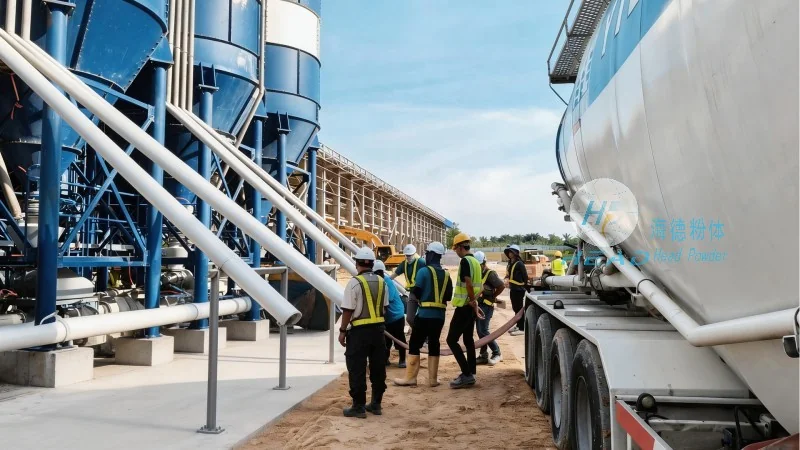
The systems also enhance safety by minimizing the risk of dust explosions and material exposure. The enclosed pipeline design prevents dust from escaping into the environment, reducing the risk of respiratory issues or fire hazards. This is especially important in industries where synthetic graphite is handled, as it can be a fine powder that poses health and safety risks if not properly contained. Furthermore, the systems contribute to improved product quality by reducing contamination and ensuring consistent material flow, which is vital for applications requiring high-purity synthetic graphite.
Conclusion
In conclusion, synthetic graphite pneumatic conveying systems are advanced solutions for efficient and safe material handling in industrial applications. By understanding the design principles and key components of these systems, manufacturers can optimize their performance and ensure reliable operation. The use of appropriate materials, proper air velocity and pressure management, and a well-designed layout are all critical factors in achieving successful material transport. As the demand for synthetic graphite continues to grow in industries such as battery technology, these systems will remain a vital component in the supply chain, providing efficient and reliable material handling solutions. With their ability to handle fine powders, reduce maintenance, and enhance safety, synthetic graphite pneumatic conveying systems represent a significant advancement in industrial material handling technology.