

What is a Clay Coal Powder Pneumatic Conveying System? And What Are Its Design Principles?
Clay coal powder pneumatic conveying systems represent a sophisticated method for transporting fine particulate materials, such as clay coal powders, through a pressurized air stream. These systems are integral to industrial processes where efficient material handling is critical, and understanding their design principles is essential for optimizing performance and reliability. This article delves into the core components, operational mechanics, and engineering considerations that define these systems, providing a comprehensive overview for professionals in the field.
Overview of Clay Coal Powder Pneumatic Conveying Systems
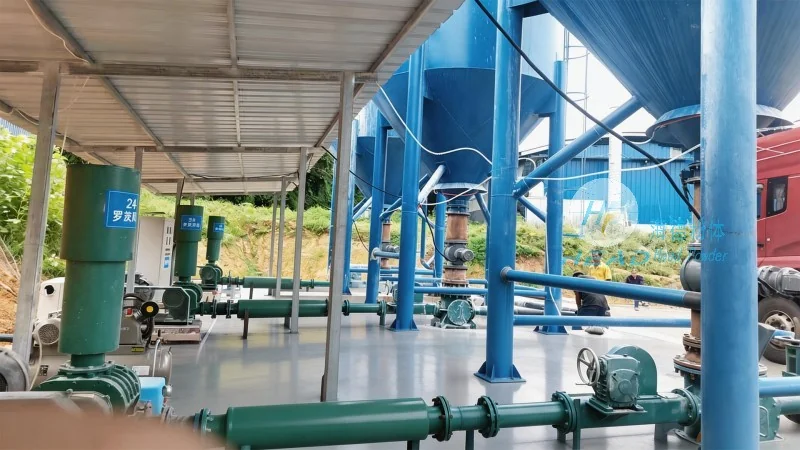
A clay coal powder pneumatic conveying system is a closed-loop or open-loop system designed to transport dry, fine powders like clay coal through a pipeline using compressed air. The system typically consists of a material hopper, a feeder, a conveying line, a receiver, and a control system. The primary goal is to move the powder from its source to a destination while maintaining the integrity of the material and minimizing degradation or loss. This technology is widely used in industries such as mining, power generation, and chemical processing, where the efficient handling of bulk materials is paramount.
Key Design Principles for Pneumatic Conveying Systems
The design of a clay coal powder pneumatic conveying system is governed by several fundamental principles aimed at ensuring efficient, reliable, and cost-effective operation. These principles include:
1. **Air Velocity and Pressure**: The velocity of the air within the conveying line must be sufficient to lift and transport the powder particles without causing excessive wear on the system components. The pressure required is determined by the material's properties, pipeline length, and elevation changes. Proper air velocity ensures that the powder remains suspended in the air stream, preventing clogging and ensuring consistent flow.
2. **Material Characteristics**: The physical properties of the clay coal powder, such as particle size, density, moisture content, and flowability, directly impact the system's design. For example, finer particles may require higher air velocities to maintain suspension, while cohesive or sticky powders may need additional measures like air classification or anti-caking agents to improve flowability.
3. **System Configuration**: The choice between positive pressure, negative pressure, or a combination of both depends on the application. Positive pressure systems are common for short-distance, high-volume transport, as they are more efficient and easier to maintain. Negative pressure systems are often used for long-distance or when the material needs to be isolated from the environment. The configuration also considers the need for cleaning and maintenance, with some systems incorporating self-cleaning features or access points for inspection.
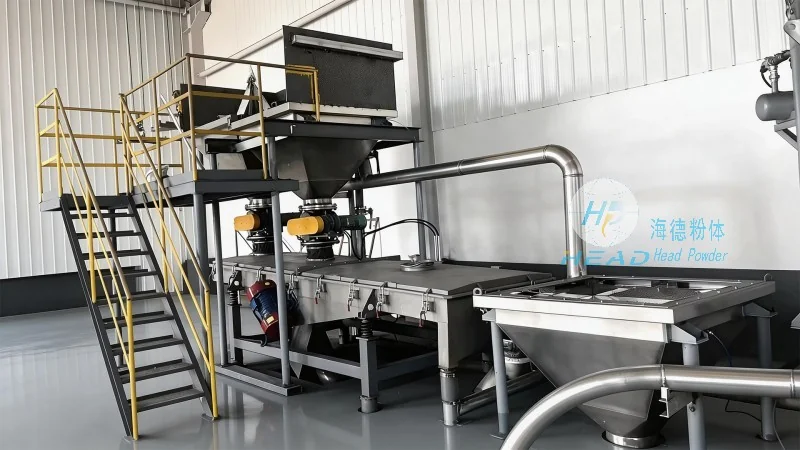
4. **Equipment Selection**: Critical components like the feeder, which controls the flow rate of the powder, the hopper for storage, and the receiver for collection, must be selected based on the material's characteristics and system requirements. The feeder, often a rotary valve or a screw feeder, ensures a consistent feed rate, preventing surges or blockages. The hopper must be designed to prevent material bridging or segregation, which can affect the flow rate and system performance.
Technical Features and Advantages
Clay coal powder pneumatic conveying systems offer several advantages over traditional bulk material handling methods, such as belt conveyors or bucket elevators. These include:
1. **Closed-System Operation**: The enclosed nature of the system minimizes dust emissions, improving workplace safety and compliance with environmental regulations. This is particularly important for handling powders that may be hazardous or cause respiratory issues.
2. **Flexibility in Layout**: The system can be configured to follow complex layouts, allowing for vertical and horizontal transport in a single line. This flexibility reduces the need for multiple pieces of equipment and simplifies the overall process flow.
3. **Reduced Maintenance**: Compared to mechanical systems, pneumatic conveying systems have fewer moving parts, leading to lower maintenance costs and longer equipment life. The absence of belts, chains, or gears also minimizes the risk of mechanical failure.
4. **Energy Efficiency**: While the initial energy cost for compressed air is a factor, the overall system can be more energy-efficient for certain applications, especially when transporting fine powders over short to medium distances.
Applications and Use Cases
The versatility of clay coal powder pneumatic conveying systems makes them suitable for a wide range of applications. In the power generation industry, these systems are used to transport coal from storage silos to boilers. In mining operations, they facilitate the transport of clay and other fine minerals from processing plants to storage or for further processing. Additionally, in chemical and pharmaceutical industries, they are employed to handle powders that require strict contamination control, such as clay-based additives or fillers.
About Shandong HeadPowder Engineering Co., Ltd.
Shandong HeadPowder Engineering Co., Ltd., commonly known as HeadPowder, is a leading manufacturer and supplier of pneumatic conveying systems and related industrial equipment. With a focus on innovation and quality, the company specializes in designing and manufacturing systems tailored to the specific needs of its clients. HeadPowder's headquarters is located in Shandong, China, where the company leverages its expertise and local resources to deliver reliable, efficient, and cost-effective solutions for material handling challenges. The company's commitment to customer satisfaction and technological advancement has established it as a trusted partner in the industry.