

What is a Grain Bulk Pneumatic Conveying System? What Are Its Design Principles?
For businesses in the agricultural and food processing sectors, efficient and reliable material handling is crucial to maintaining productivity and product quality. Among the various technologies available, the grain bulk pneumatic conveying system stands out as a versatile and effective solution for transporting bulk materials like grains, powders, and other granular products. This article will explore the fundamental concepts of such a system, its core design principles, and the key factors that contribute to its successful implementation.
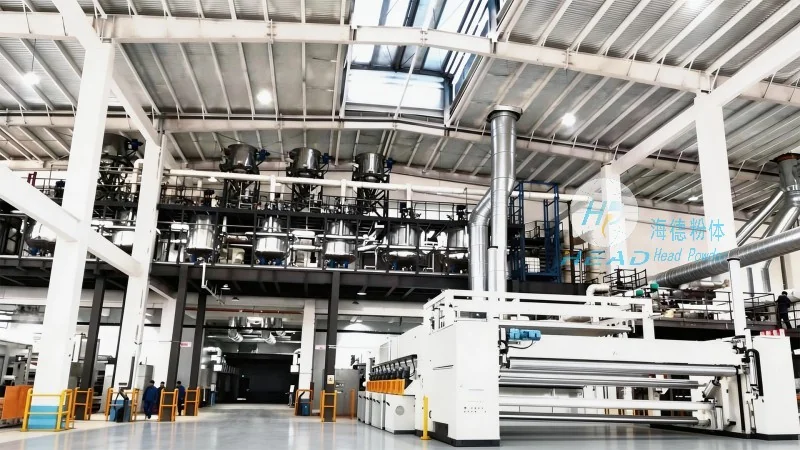
Understanding Grain Bulk Pneumatic Conveying Systems
A grain bulk pneumatic conveying system is a mechanical system that uses air or gas to transport bulk materials from one location to another. Unlike traditional methods like belt conveyors or bucket elevators, which rely on mechanical components to move materials, pneumatic systems utilize the force of moving air to create a flow of material through a pipeline. This method is particularly advantageous for handling fine or dusty materials, as it minimizes product degradation and reduces the risk of contamination.
Key Components of a Pneumatic Conveying System
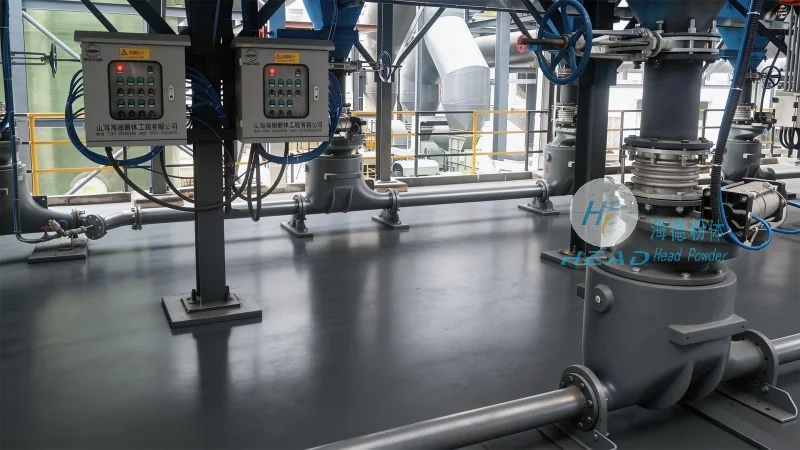
At its core, a pneumatic conveying system consists of several essential components that work in tandem to achieve efficient material transport. The primary components include a material feeder, a conveying line (usually made of metal or plastic pipes), a fan or blower to generate the air flow, and a discharge device at the end of the line. In addition, systems may incorporate accessories such as filters, cyclones, and pressure vessels to manage dust, separate materials, and control the air pressure within the system.
Design Principles for Optimal Performance
The design of a grain bulk pneumatic conveying system is critical to its performance, efficiency, and longevity. Several key principles guide the engineering process, ensuring that the system can handle the specific characteristics of the material being transported. These principles include:
1. Material Characteristics Analysis: Before designing a system, engineers must thoroughly analyze the physical properties of the grain or powder, such as particle size, density, moisture content, and flowability. These characteristics determine the appropriate air velocity, pressure, and pipe diameter required to move the material without causing blockages or excessive wear on the system components.
2. Airflow and Pressure Management: The system’s design must ensure that the air velocity within the conveying line is sufficient to keep the material suspended and moving. Typically, air velocities range from 20 to 30 meters per second for most grain types. The pressure generated by the fan or blower must be carefully calculated to overcome friction losses in the pipes and any elevation changes in the system.
3. Pipe Sizing and Layout: The diameter and length of the conveying pipes are critical factors in system performance. Larger pipes reduce friction losses and allow for higher material throughput, but they also increase cost and require more space. The layout of the system, including the number of bends, vertical sections, and horizontal runs, must be optimized to minimize pressure drops and prevent material accumulation or blockages.
4. Material Feeder and Discharge Design: The feeder is responsible for introducing the material into the conveying line at a consistent rate, while the discharge device ensures that the material is released smoothly at the destination. Proper design of these components is essential to prevent material spillage, blockages, and wear on the system. For grain handling, screw feeders, rotary valves, or pressure vessels are commonly used as feeders, and cyclones or rotary valves are used as discharge devices.
Advantages of Pneumatic Conveying Systems
Compared to traditional mechanical conveying methods, grain bulk pneumatic conveying systems offer several advantages that make them a preferred choice for many industries. These benefits include:
1. Reduced Product Contamination: Since the material is transported in an enclosed system, there is minimal exposure to external contaminants, such as dust, moisture, or other particles. This is particularly important for food-grade grains and powders, where hygiene and quality are paramount.
2. Lower Maintenance Costs: Pneumatic systems have fewer moving parts compared to mechanical conveyors, which reduces the risk of wear and tear and lowers maintenance requirements. The absence of belts, chains, or buckets also eliminates the need for frequent replacement or adjustment.
3. Flexibility and Scalability: Pneumatic conveying systems can be easily reconfigured or expanded to accommodate changes in production volume or process requirements. The ability to add or remove sections of the pipeline allows for flexible system design, making it suitable for both small-scale and large-scale operations.
4. Energy Efficiency: Modern pneumatic systems are designed to be energy-efficient, with high-efficiency fans and optimized pipe layouts that minimize energy consumption. This not only reduces operational costs but also aligns with sustainability goals in the industry.
Applications in the Agricultural and Food Industry
Grain bulk pneumatic conveying systems are widely used in various applications within the agricultural and food processing sectors. These include:
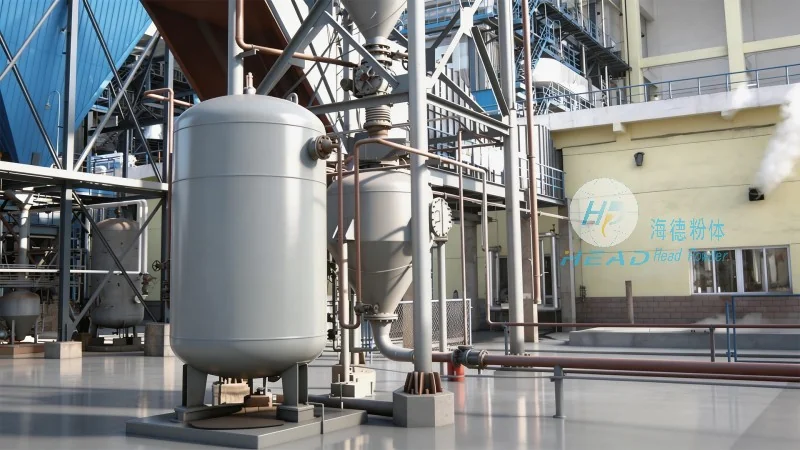
1. Grain Storage and Handling: In grain storage facilities, pneumatic systems are used to transfer grain from storage silos to processing plants or for loading/unloading trucks. This allows for efficient and hygienic movement of large quantities of grain.
2. Flour Milling and Processing: In flour mills, pneumatic conveying is used to transport raw materials like wheat and other grains to grinding and sifting equipment. The system ensures that the materials are handled gently, preserving their quality and reducing the risk of product degradation.
3. Feed Manufacturing: For the production of animal feed, pneumatic systems are used to blend and transport various ingredients, such as grains, vitamins, and minerals. The enclosed design prevents cross-contamination and ensures consistent feed quality.
4. Pharmaceutical and Food Processing: In food processing plants, pneumatic conveying is used to transport ingredients like spices, sugar, and other powders, maintaining the integrity and quality of the products.
Case Study: Implementation by Shandong HeadPowder Engineering Co., Ltd.
Shandong HeadPowder Engineering Co., Ltd., a leading provider of material handling solutions, has successfully implemented grain bulk pneumatic conveying systems for numerous clients in the agricultural and food industry. Based in China, the company specializes in designing and manufacturing customized pneumatic systems tailored to the specific needs of each project. Their expertise lies in analyzing material characteristics, optimizing system design, and ensuring compliance with industry standards for hygiene and safety.
For example, one of their recent projects involved the installation of a pneumatic conveying system for a large-scale flour mill in Shandong province. The system was designed to handle 500 tons of wheat per day, with a conveying distance of 200 meters and an elevation change of 15 meters. By carefully analyzing the wheat’s particle size and flowability, the engineers at HeadPowder optimized the pipe diameter and air velocity to achieve a smooth and efficient flow. The system’s performance exceeded expectations, with minimal material loss and reduced maintenance requirements compared to traditional mechanical conveyors.
Conclusion
Grain bulk pneumatic conveying systems represent a sophisticated and efficient solution for material handling in the agricultural and food processing industries. By understanding the fundamental design principles and leveraging the advantages of pneumatic technology, businesses can enhance productivity, maintain product quality, and reduce operational costs. As a trusted provider in the field, Shandong HeadPowder Engineering Co., Ltd. continues to innovate and deliver high-quality pneumatic systems that meet the evolving needs of the industry.